Direct Manufacturing Showcase
High-Performance Hospitality Furniture Packages
Engineered to strict commercial hotel and restaurant specifications. Manufactured under ISO 9001 quality systems and tested for CAL TB 117 & BS 5852 international flammability safety.


Enterprise Benchmarks
Foshan Daski: Industrial Infrastructure & Technical Superiority
Rooted in Jiujiang, Foshan—the epicenter of global hospitality manufacturing—Foshan Daski Furniture Co., Ltd. consolidates deep material science, robotic automation, and traditional master joinery into a vertically integrated FF&E production pipeline.
2004
Established Year
28,000m²
Industrial Plant
2,000m²
Showroom Mockups
200+
Master Craftsmen
1,000+
Global Projects
45
Days Mass Lead Time
Full Traceability Engineering
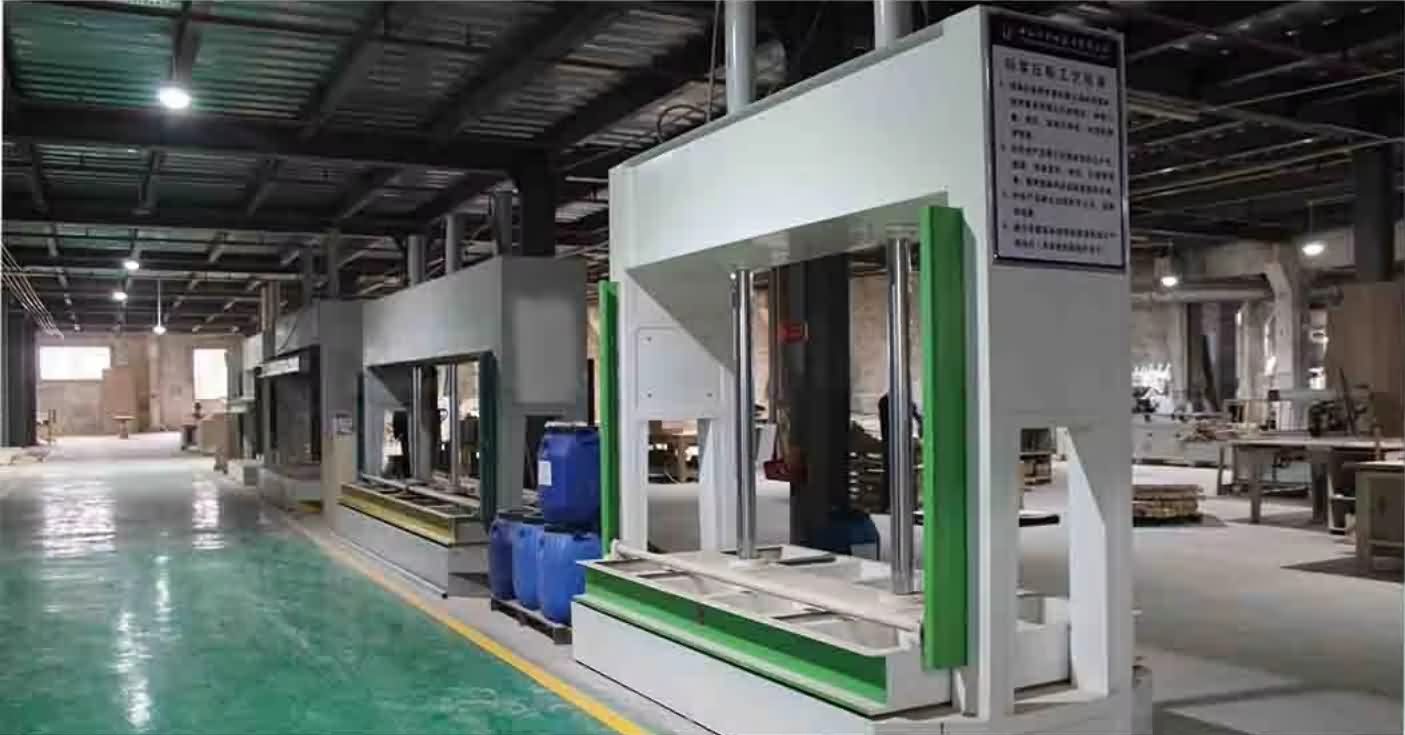
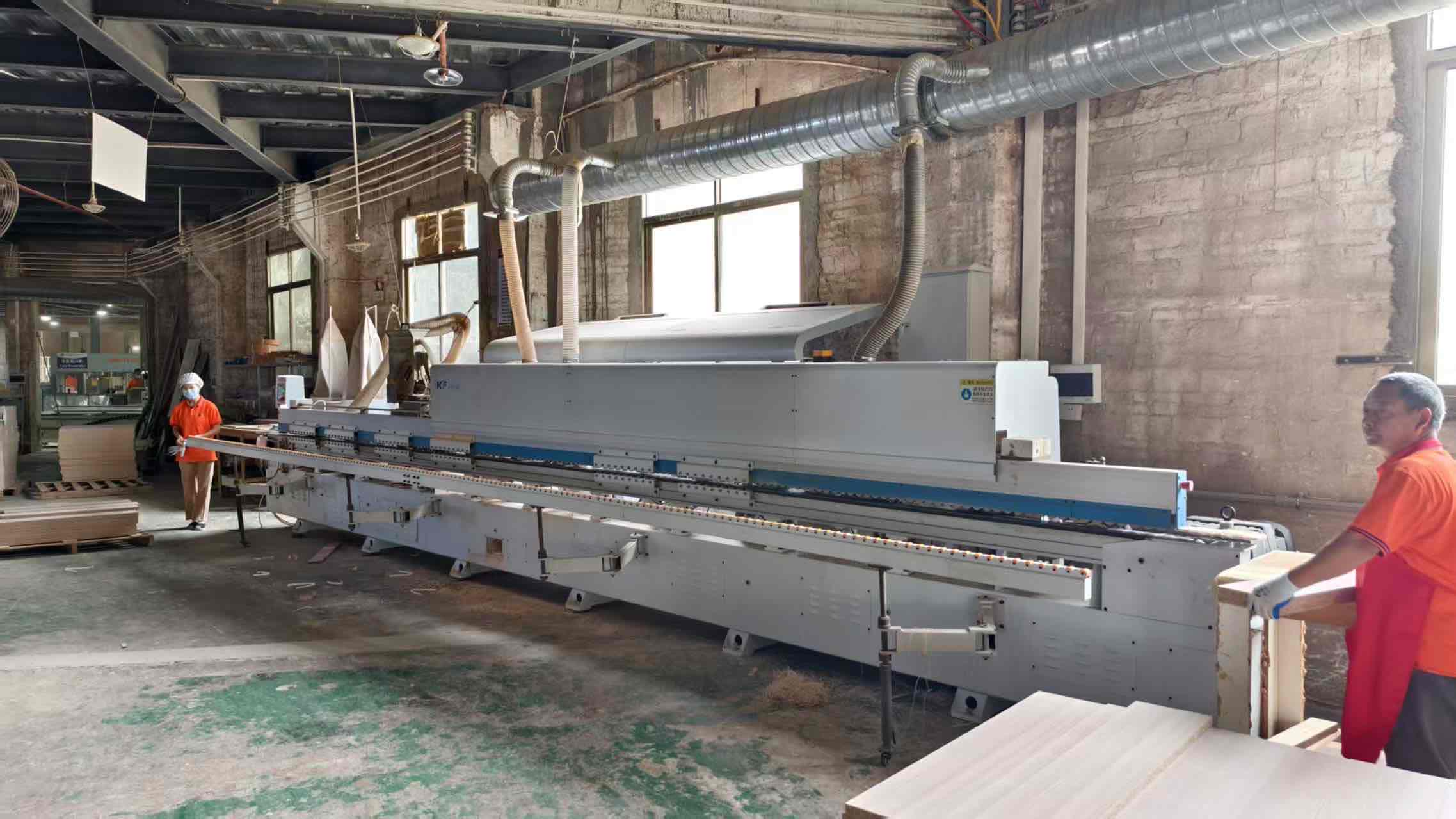
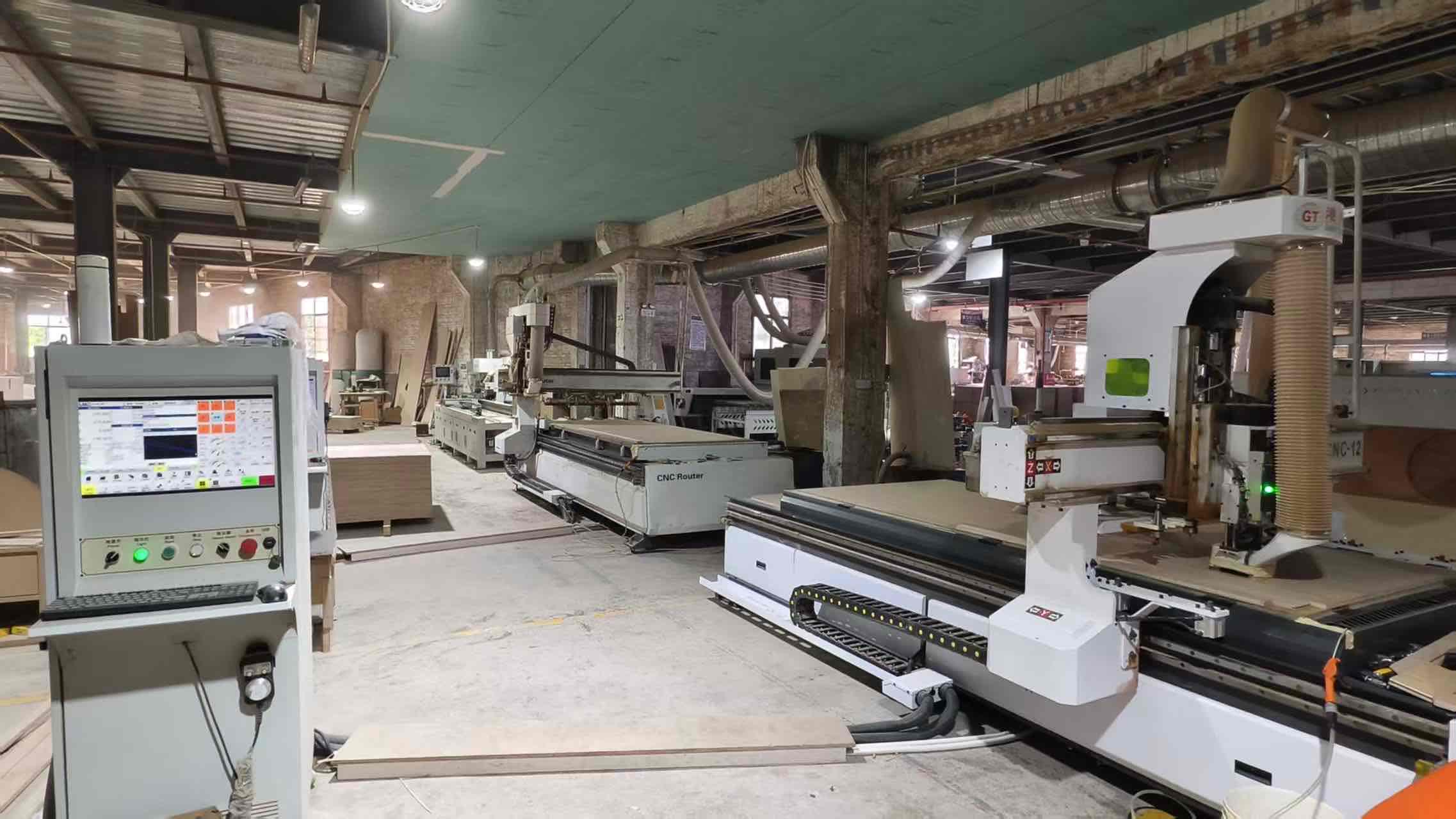
By eliminating third-party sub-contractors, we govern every production phase: internal CNC routing, computerized multi-day kiln-drying (stabilizing timber between 8%–12% moisture content), automatic veneer splicing, and enclosed multi-stage dust-free lacquer application.
Rapid Prototyping & 1:1 Mockups
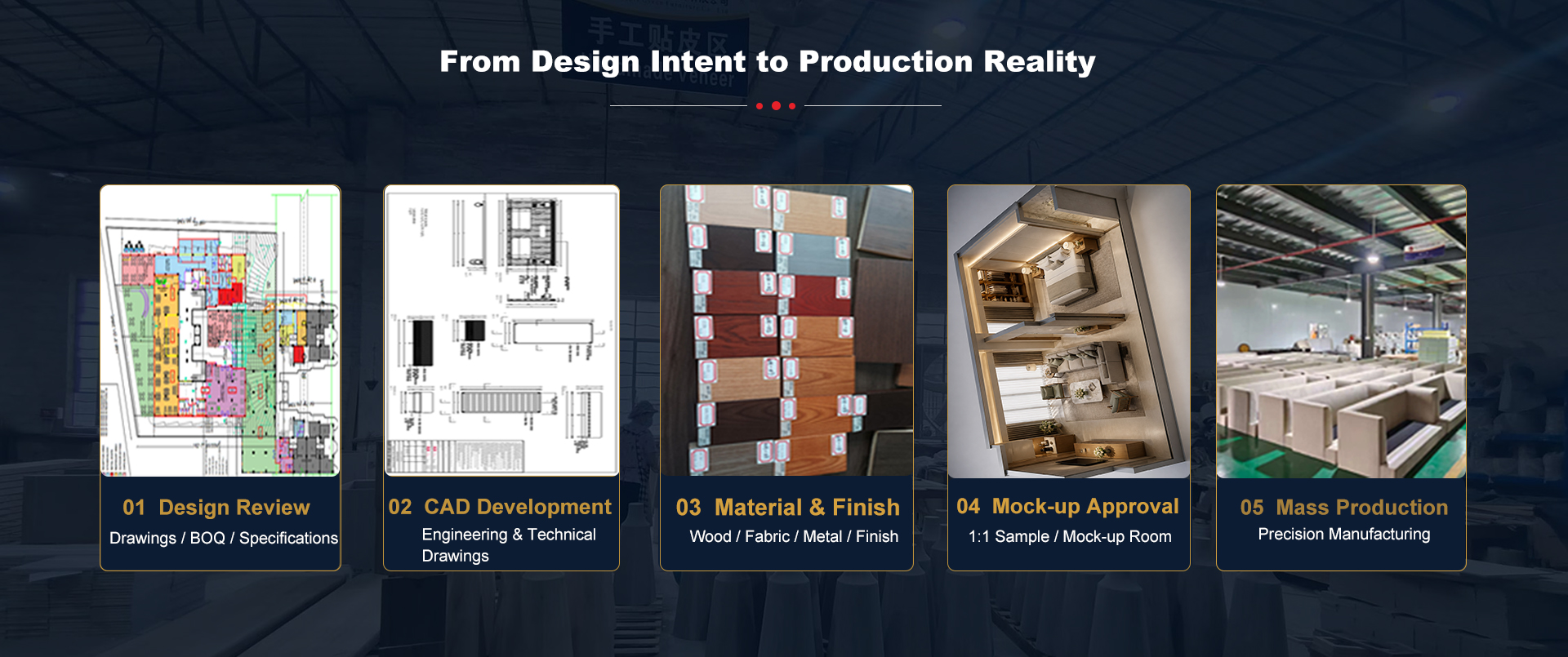
We solve the critical gap between conceptual renders and production reality. Complete shop CAD drawings are delivered within 5–10 days, accompanied by fully appointed, tangible 1:1 guestroom mockups completed in approximately 20 days for brand sign-off.
Global Compliance & Certifications
Every piece conforms to North American CAL TB 117 and British BS 5852 Crib 5 fire resistance. Our engineered substrates operate under E0/E1 and CARB Phase 2 emission standards, verified on-site through international third-party audits by SGS.
Verified Production Facility: Jiujiang Industrial Park, Foshan
Automated CNC Panel Slicing
28,000m² Production Lines
Natural Veneer Pressing
Master Upholstery & Tailoring
Industry Whitepaper & Strategic Insights
Engineering the Future of Hospitality FF&E: Structural Trends & Sourcing Intelligence
A comprehensive technical evaluation for hospitality procurement directors, architectural firms, and institutional hotel property investors.
1. Structural Evolution: Modularization, Disassembly, and Serviceability
The contemporary hotel capital investment landscape requires long-term lifecycle value. Fixed millwork is being phased out across primary 4-star and 5-star brand matrices in favor of precision-engineered, demountable architectural joinery. Headboard assemblies are now integrated with modular sub-cleating systems (such as high-grade aluminum French cleat suspensions), allowing rapid single-panel extraction for re-upholstery or electrical servicing without compromising wall structure. In high-traffic guestrooms, casegoods feature solid timber corner blocking, concealed steel structural reinforcement, and replaceable impact edges to survive rigorous hospitality turnaround cycles.
2. Material Science Advancements: Engineered Veneers and Micro-Purification
While classical solid oak, American walnut, and ash remain favored for structural frameworks, casegoods are transitioning to advanced cross-laminated engineered hardwoods surfaced with quarter-cut composite or AAA-grade natural veneers. These substrates prevent splitting and warping in diverse climatic environments—from arid Middle Eastern desert projects to humid Southeast Asian seaside luxury resorts. Furthermore, commercial topcoats have evolved from conventional solvent lacquers to polyurethane and UV-cured waterborne formulations that provide scratch resistance exceeding 3H hardness and absolute non-yellowing characteristics under severe UV exposure.
3. Strategic Procurement Trends: Direct-to-Factory Consolidation & Risk Mitigation
Institutional developers are eliminating intermediary trading entities. Direct factory partnerships with verified facilities like Foshan Daski deliver clear economic and structural advantages:
Value Engineering (VE)
By assessing internal sub-frames and specifying balanced material combinations (e.g., solid timber perimeter framing with balanced veneer cores), project budgets achieve 18%–32% capital expenditure savings without sacrificing tactile luxury or external brand standards.
Unified Technical Submittals
Direct communication between architectural designers and our in-house engineering studio eliminates discrepancies across hardware, soft-closing drawer tracks, pre-drilled cable channels, and integrated nightstand low-voltage wiring pathways.
Zoned Packaging & Phased Logistics
Consolidated containers are packed and barcoded according to project building floors, wings, and individual room numbers. This eliminates on-site transit confusion, reduces unpacking time, and ensures seamless alignment with interior contracting timelines.
Procurement Specification Reference
Engineering Standard Comparison Matrix
Understanding critical engineering differentiators between generic commercial furniture and Daski architectural hospitality FF&E manufacturing.
| Specification Scope | Generic Commercial Furniture | Daski Hospitality Engineering Standards |
|---|---|---|
| Substrate Material | Standard particle board, irregular hollow cores | E0/E1 High-Density Moisture-Resistant Plywood & Kiln-Dried Hardwood |
| Moisture Content (MC) | Unmonitored (often >16%, prone to seasonal cracking) | Electronically Kiln-Dried & Constant: 8% – 12% Project Tailored |
| Hardware & Mechanics | Unbranded zinc alloy runners, lightweight hinges | DTC / Blum Heavy-Duty Soft-Close Hardware (Cycle Tested > 100,000 Operations) |
| Foam & Upholstery Safety | Non-certified low-density scrap foam | High-Resilience Pure Sponge (45–50kg/m³), CAL TB 117 & BS 5852 Certified |
| Assembly & Edge Sealing | Partial PVC tape banding, stapled butt joints | Solid Timber Concealed Lippings, Mortise-and-Tenon, Screwed Dowels & Corner Blocks |
Hospitality Procurement FAQ
Frequently Answered Technical & Contract Inquiries
Critical specifications, operational lead times, fire compliance, and global delivery guarantees addressed by our engineering staff.
What is the standard Minimum Order Quantity (MOQ) for custom hospitality packages?
For custom hotel bedroom sets, our standard production runs start at 10 to 20 full room sets. For commercial restaurant dining projects, booth seating runs from 10 linear meters or 20 units, while dining chairs begin at 50 pieces. We construct full individual mock-up rooms prior to mass contract authorization.
How does Daski address regional fire prevention and environmental codes?
We ensure all production matches the destination jurisdiction. Soft furnishings and upholstery foams are fully certified to CAL TB 117 (USA) or BS 5852 Crib 5 (UK/International). All joinery boards adhere to strict zero/low-emission standard regulations (E0, E1, CARB P2) verified with full mill testing documentation.
What is the exact engineering schedule from tender drawings to shipment?
Our standard workflow follows 5 structured stages: CAD shop drawings and 3D joinery reviews require 5–10 working days; 1:1 physical sample mock-up production takes 20 days; upon mock-up sign-off, standard 40HQ mass production takes 45 calendar days under constant automated tracking.
Do you manage on-site installation and field engineering internationally?
Yes. Foshan Daski supplies bilingual senior joinery supervisors and complete installation teams globally. Alternatively, we generate comprehensive step-by-step 3D exploded assembly diagrams and instructional video recordings for your local general contractor or interior fit-out team.
Initiate Your Hotel FF&E Tender or Request Factory Sample Verification
Submit your architectural CAD drawings, finishes schedule, or project specifications. Our senior project engineering team reviews material schedules, optimizes structural joints, and returns comprehensive value-engineered factory quotations within 24–48 hours.