DK-OG-3600 High-Frequency Unit
- Rated Power: 3600W Pure Sine Wave
- MPPT Input: 60V–450VDC / 120A Max
- Peak Conversion Efficiency: 94.8%
- Dual AC Outlets & Cold-Start Capability



Precision-engineered pure sine wave architectures, integrated ultra-fast MPPT controllers, and intelligent BMS communication protocols designed for extreme mission-critical autonomy.
Founded in 2004, Foshan Daski Furniture Co., Ltd. has grown into a world-class manufacturing enterprise spanning a 28,000 m² modern production facility supported by a dedicated 2,000 m² technical showroom. Operating with over 200+ elite engineers, system designers, and skilled assembly technicians, our automated manufacturing facilities feature high-precision automated production lines, multi-stage wave soldering setups, SMD placement systems, and environmental burn-in testing chambers.
Having completed over 1,000+ commercial, industrial, and residential projects across North America, Europe, the Middle East, Southeast Asia, and Africa, we understand that an off-grid solar inverter is not merely a component—it represents the operational heart of independent energy security. We eliminate non-standard third-party subassemblies by maintaining full internal control across PCBA design, sheet metal enclosure fabrication, magnetic transformer winding, thermal dynamic simulations, and firmware optimization.
Our comprehensive OEM and ODM capabilities allow engineering teams and procurement directors to source custom power capacities, specific communication topologies (RS485, CANbus, Modbus), and localized grid-voltage outputs directly from our factory floor without expensive intermediary markups.
▶ Full traceability: Automated PCBA assembly, thermal stress burn-in, and 100% full-load verification.
Engineered to power inductive motors, telecommunication towers, healthcare installations, and isolated homesteads with unyielding stability and seamless battery management.
Single-phase high-voltage PV input inverters engineered for high continuous conversion and low no-load quiescent consumption.
Low-frequency galvanic isolation transformer systems crafted to support severe motorized loads and large industrial microgrid projects.


From initial circuit simulation to 100% full-load high-temperature burn-in, every manufacturing phase is rigorously documented under ISO 9001 quality compliance protocols.
Comprehensive schematic engineering, multi-layer PCBA trace clearance design, and CFD thermal airflow simulation tailored to eliminate internal hot spots.
Incoming quality control (IQC) testing of industrial-grade IGBT modules, low-ESR solid capacitors, pure copper wound transformers, and microcontrollers.
High-speed surface-mount technology assembly with dual automated optical inspection (AOI) to eliminate solder bridging and cold solder joints.
Every single off-grid solar inverter undergoes 8 to 24 hours of continuous inductive and capacitive dynamic load cycling inside our elevated temperature burn-in room.
High-potential electrical insulation tests, conformal coating inspection for tropical climates, followed by export-grade cushioned wooden/corrugated crating.
Procurement officers, energy distributors, and microgrid EPCs face shifting market dynamics driven by battery chemistry transitions, power electronics innovation, and AI-assisted cloud energy forecasting.
Traditional 12V and 24V off-grid systems are fast becoming obsolete in utility and light-commercial procurement due to high I²R cabling resistive losses and copper material costs. Global procurement data confirms an aggressive pivot toward 450VDC to 500VDC wide-MPPT window architectures. Higher input DC voltages allow installers to connect multiple solar modules in series strings, minimizing balance-of-system (BOS) wiring, combiner boxes, and electrical installation labor while drastically increasing early morning and late afternoon energy harvesting yields.
The transition from legacy Silicon IGBT switches to Wide Bandgap (WBG) semiconductors—specifically Silicon Carbide (SiC)—is fundamentally rewriting power density metrics. For procurement directors, this delivers three tangible commercial benefits: higher switching frequencies (exceeding 50kHz), dramatically reduced thermal losses (enabling 25% smaller chassis footprints), and conversion efficiencies crossing the 97% threshold. Foshan Daski Furniture Co., Ltd. continuously invests R&D into next-generation topologies that deliver higher peak power from compact, wall-mounted form factors.
Open-loop voltage-based battery charging is no longer acceptable for high-value off-grid solar deployments. Lithium iron phosphate (LiFePO4) chemistries maintain a flat voltage discharge curve, making voltage-based state-of-charge (SOC) approximations wildly inaccurate. Future-ready procurement mandates closed-loop CANbus and RS485 communication protocols between the solar inverter and the Battery Management System (BMS). This synchronization allows the inverter to adjust dynamic charge voltages, ramp rates, and low-temperature charge cutoffs in real time based on micro-cell telemetry, extending system lifecycles well past 6,000 cycles.
Off-grid systems are rarely isolated islands anymore. Modern installations increasingly integrate with existing on-grid string inverters via AC coupling, as well as secondary auxiliary diesel generators. Advanced off-grid solar inverters now feature dual AC outputs: a primary port for mission-critical loads (refrigeration, medical monitoring, telecommunications) and an intelligently controlled secondary port for non-essential heavy loads (water heaters, EV chargers, pool pumps) that automatically disconnect when battery capacity drops below user-defined safety margins.
B2B energy distributors managing hundreds of distributed rural or commercial sites are transitioning from reactive maintenance to automated predictive analytics. Modern off-grid inverters now incorporate edge-computing microchips with cellular 4G/GPRS and Wi-Fi transceivers. By synthesizing real-time solar irradiance sensors, weather satellite API feeds, and seasonal consumption patterns, modern units can pre-charge battery banks from auxiliary sources ahead of extended low-sunlight storm systems, reducing generator run-time and fuel waste by up to 35%.
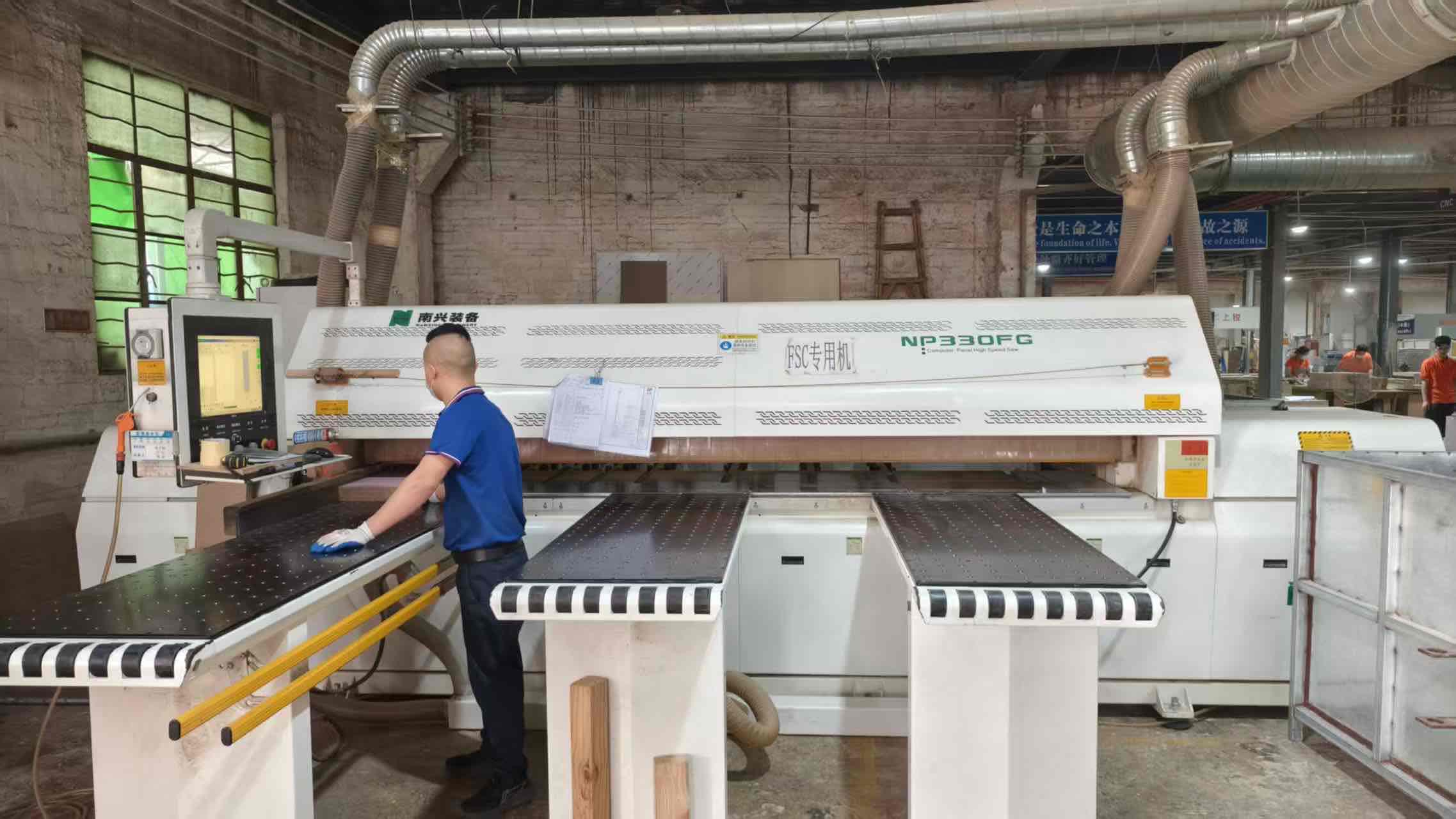
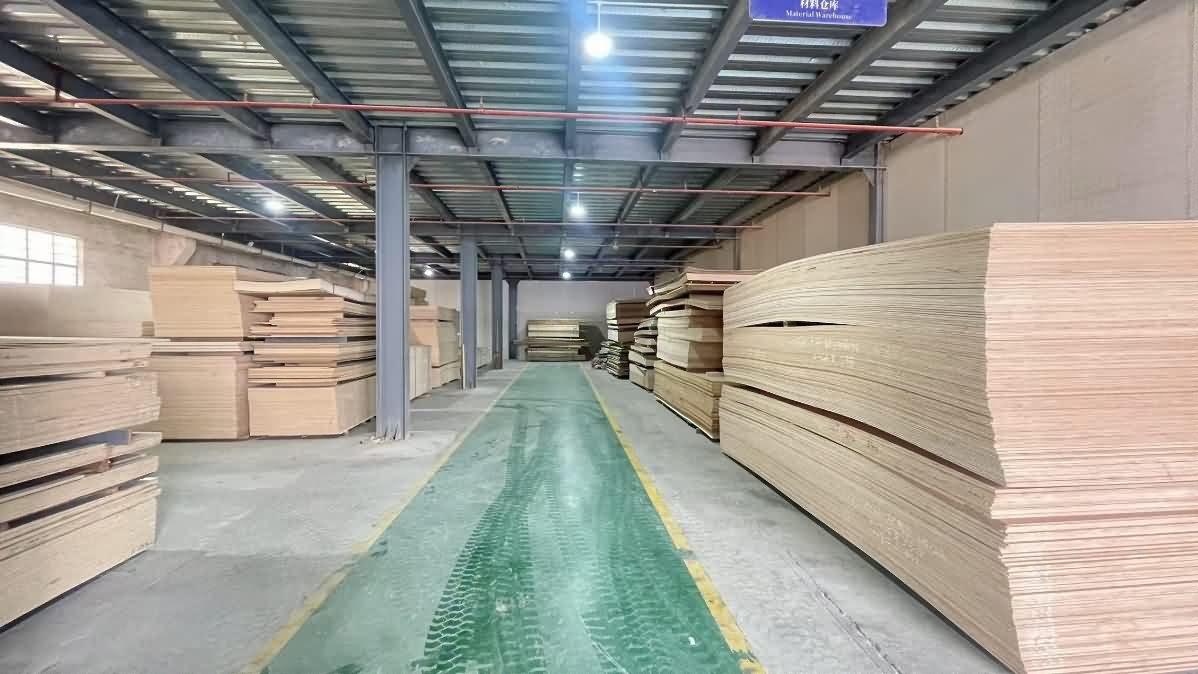
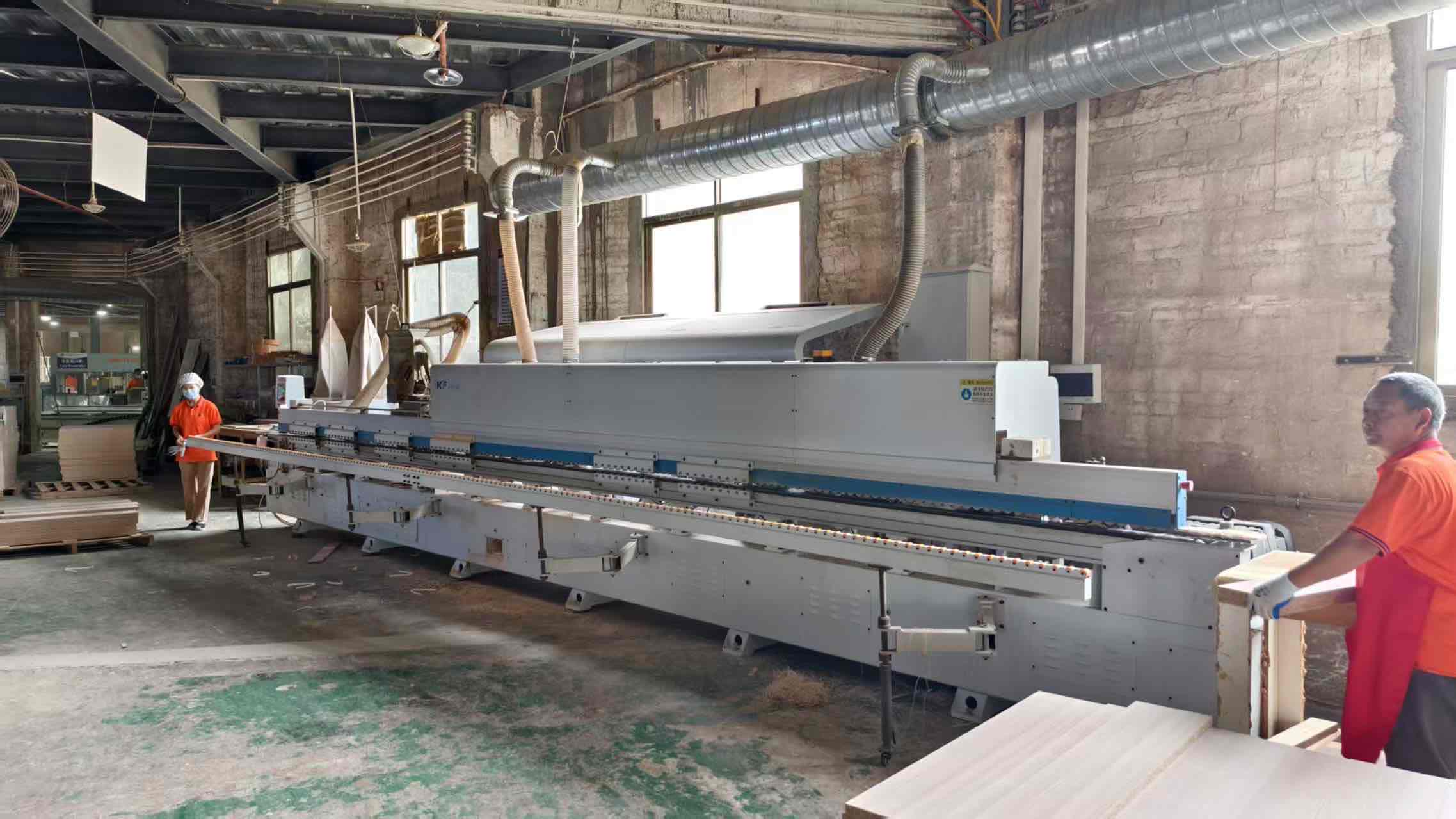
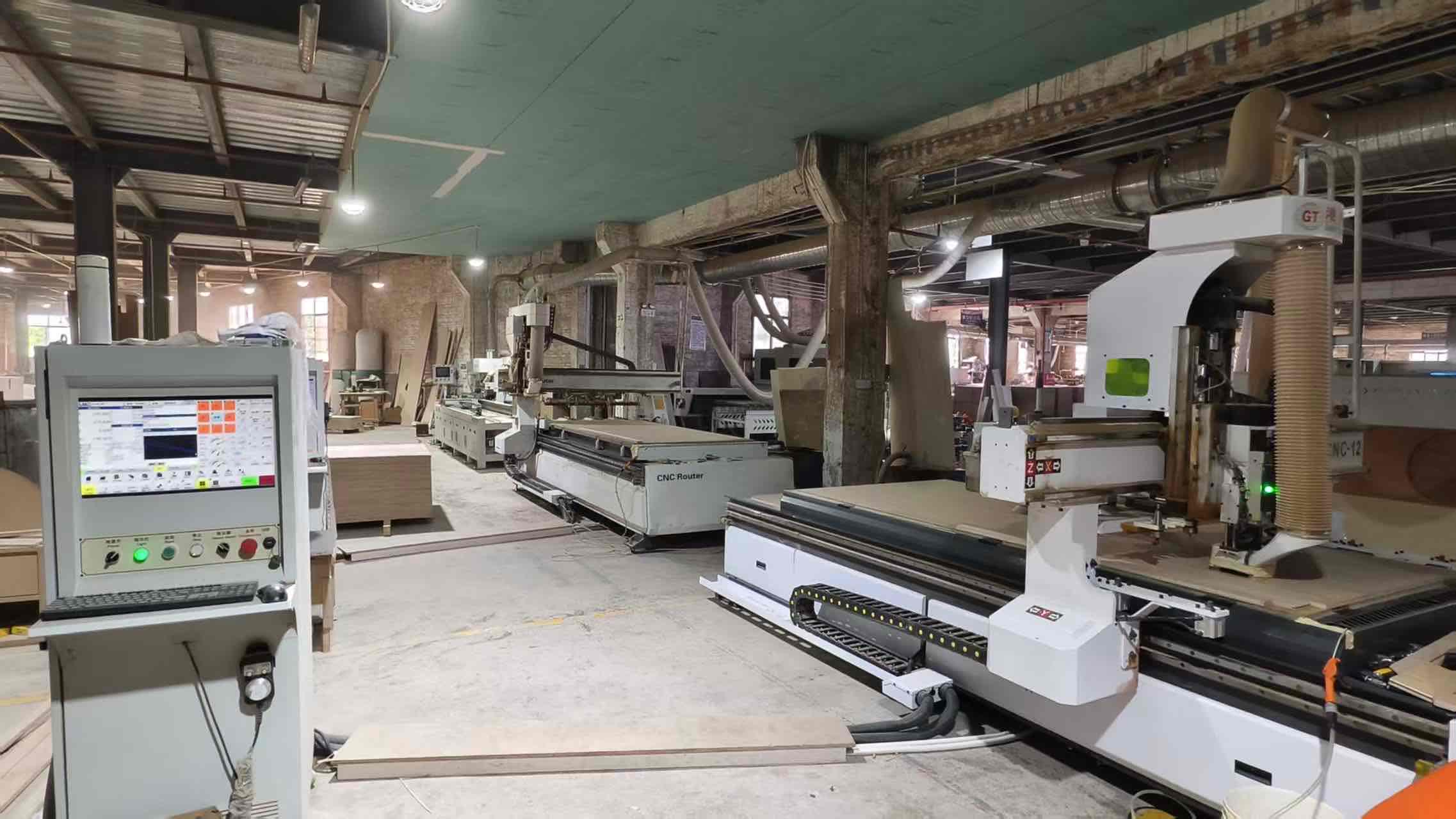
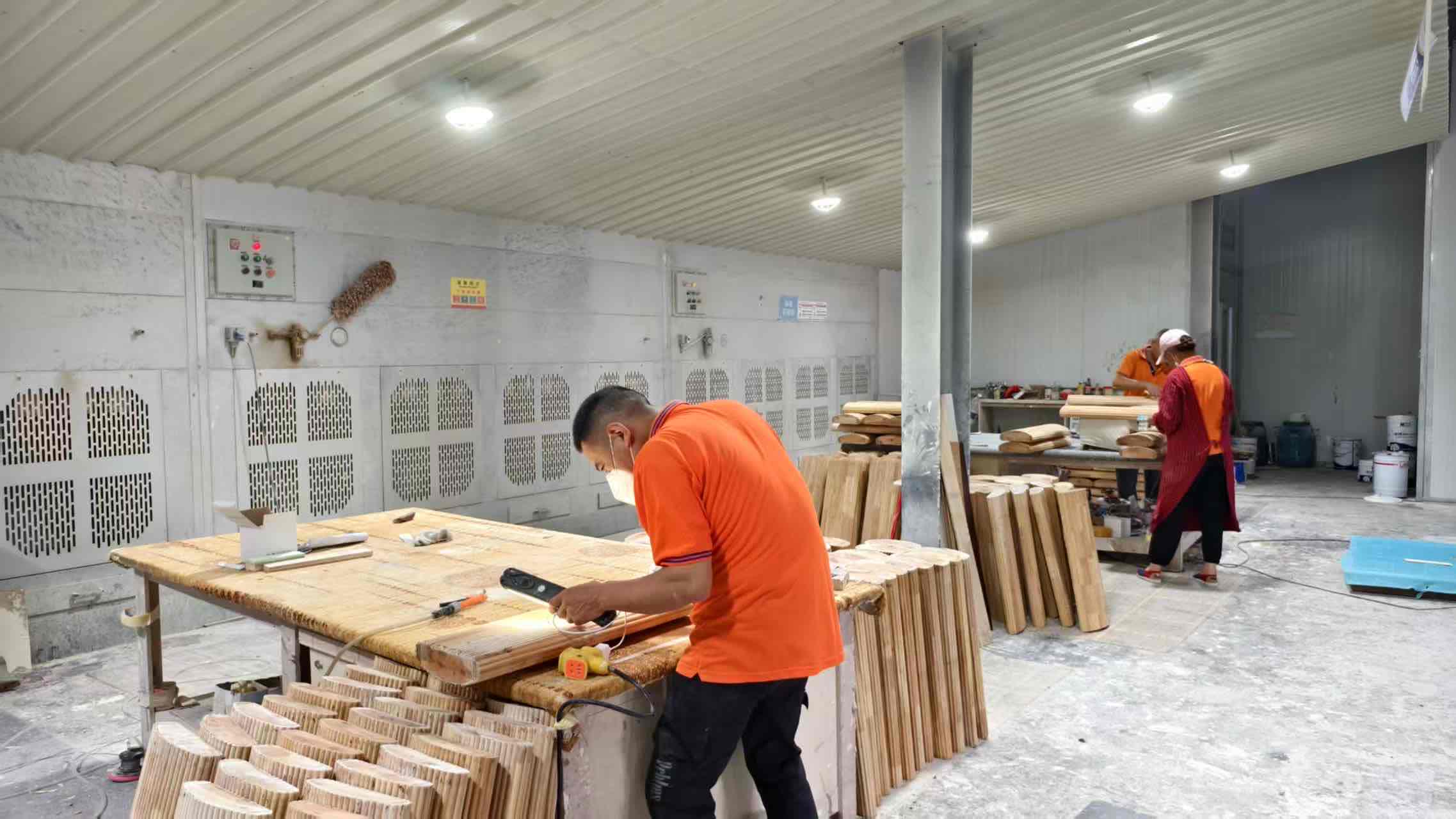
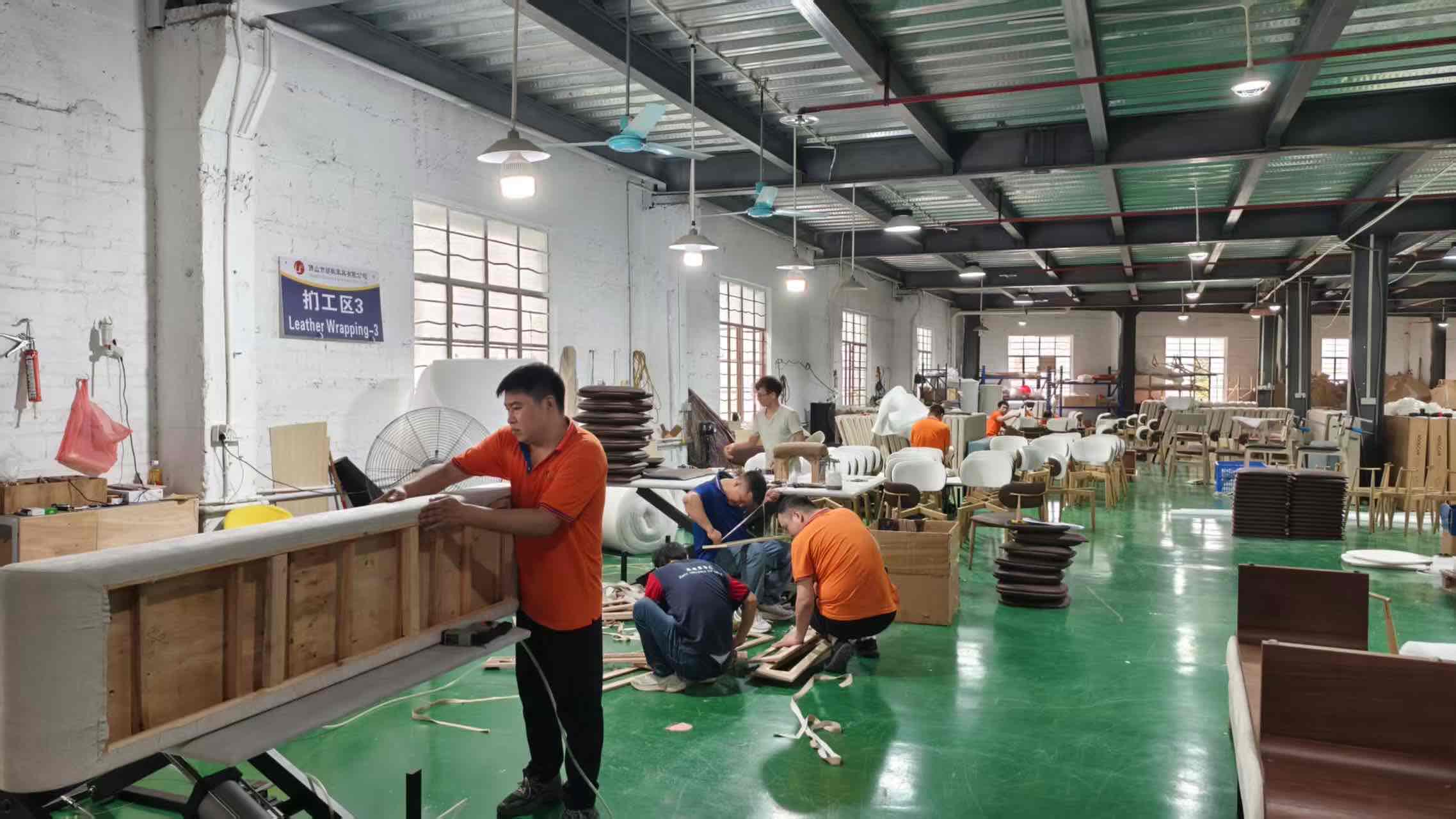
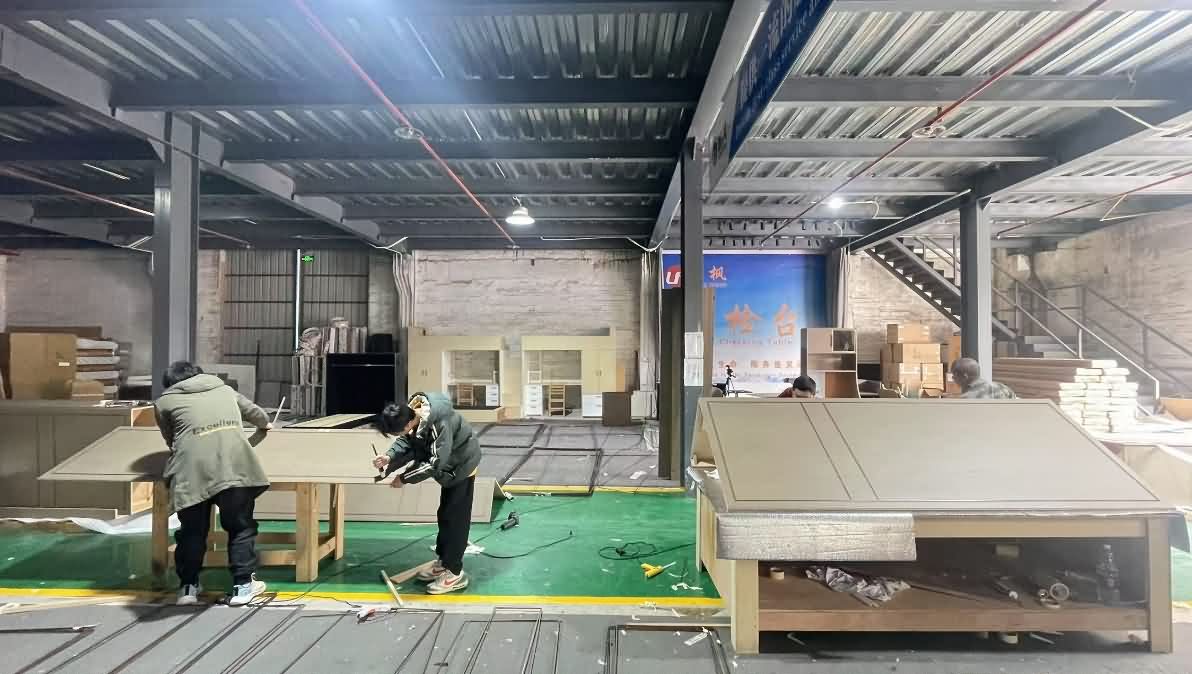
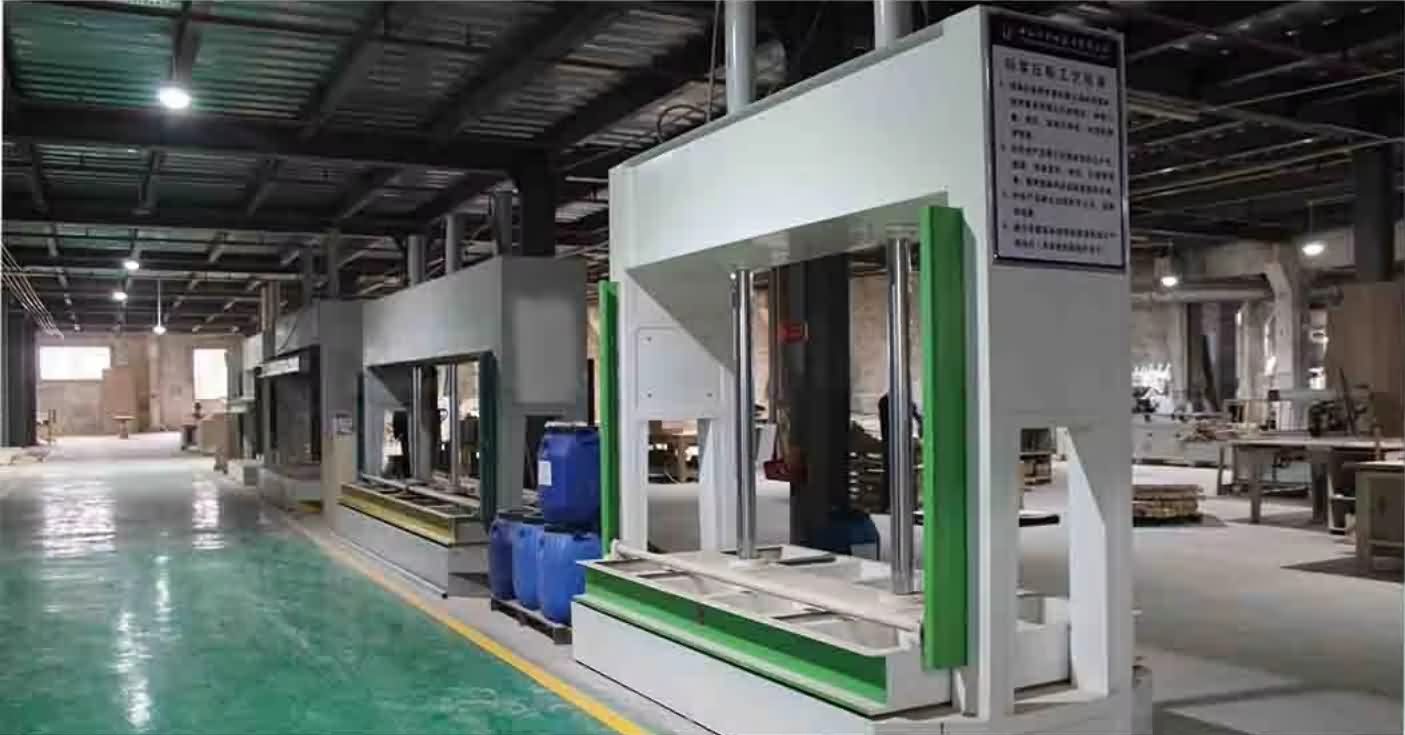
Examine the real production infrastructure, modern CNC metal enclosure lines, electronics assembly bays, and testing bays located within our 28,000 m² factory.
Procuring the incorrect inverter topology results in premature field failures, excessive warranty claims, and system downtime. Evaluate the engineering metrics below prior to contract sign-off.
| Engineering Parameter | High-Frequency Series (Transformerless) | Low-Frequency Series (Heavy Toroidal) |
|---|---|---|
| Typical Power Ratings | 1kW to 10kW per unit | 4kW to 30kW+ per unit |
| Surge / Overload Handling | 200% for 5 to 10 seconds | 300% for up to 30 seconds |
| Peak Efficiency | 94.5% – 97.2% | 88% – 92% |
| Galvanic Isolation | Electronic / Software Isolation | Physical Copper Transformer Isolation |
| Unit Weight & Footprint | Ultra-compact, light (9kg – 15kg) | Substantial, robust (35kg – 120kg+) |
| Primary Target Loads | Home appliances, electronics, IT, offices | Heavy compressors, water pumps, industrial machines |
| No-Load Self Consumption | Low (<25W to 50W) | Moderate (<60W to 120W) |
| Factory Warranty Support | Up to 5 Years standard / OEM customizable | Up to 10 Years heavy-duty design life |
Procurement compliance should be absolute. Our manufacturing protocols, product designs, and factory operations strictly fulfill top international electrical, environmental, and safety frameworks.
Complete traceability covering component receiving, automated production workflows, in-circuit testing, and outbound logistics audit trails.
Complies with international electrical safety standards for power conversion equipment in photovoltaic systems, covering insulation, dielectric strength, and creepage distances.
Full electromagnetic compatibility compliance ensuring low emissions that will not interfere with sensitive telecom gear or domestic medical apparatus.
Third-party physical verification by SGS inspecting facility premises, manufacturing capacity, engineering testing apparatus, and supply chain accountability.
From custom metal housing finishes and front-panel silkscreen branding to proprietary firmware, voltage profiles, and packaging design.
Proven track record with thousands of global project deliveries, backed by audited trade capacity and international client testimonials.
Answers to key engineering, installation, and procurement questions asked by international buyers and system integrators.
For inductive loads like HVAC compressors, submersible well pumps, and power tools, buyers must factor in the surge multiplier, which often runs 3x to 5x the rated continuous wattage. High-frequency inverters can sustain 200% surges for 5 to 10 seconds, whereas our low-frequency toroidal transformer inverters sustain 300% surge capacity for up to 30 seconds. In commercial procurement, total system sizing should calculate continuous running watts plus the maximum single motor peak startup surge, while allowing a 20% continuous overhead cushion to prevent high-temperature derating.
Modified sine wave outputs generate severe harmonic distortion (Total Harmonic Distortion frequently exceeding 20% to 30%). This manifests as intense internal heat accumulation within inductive loads, acoustic humming in electric motors, microcontroller logic corruption, and failure of variable-speed devices like refrigeration compressors. Foshan Daski Furniture Co., Ltd. exclusively manufactures true pure sine wave inverters that maintain a clean output waveform with THD < 3%, identical to or cleaner than utility grid power, protecting expensive downstream client loads.
Yes. Our high-voltage MPPT series (DK-OG-5000 and DK-OG-6200) incorporate an intelligent high-voltage DC bus design capable of running directly from solar panel output without battery banks connected. As long as solar irradiance supplies voltage above the minimum threshold (typically >120VDC to 150VDC) and matches load demand, the inverter directly powers connected AC loads during daytime hours. In hybrid setups, the inverter can intelligently mix solar and grid/generator power simultaneously.
Our off-grid inverters are equipped with dedicated RJ45 and terminal interfaces running dual CANbus and RS485 channels. The internal microprocessor firmware contains built-in protocol libraries for leading global battery BMS manufacturers (Pylontech, Deye, Dyness, PACE, Seplos, and custom OEM protocols). Once connected via standard communication pinouts, the inverter reads real-time cell temperatures, voltage profiles, state-of-health (SOH), and dynamic charge current limits directly from the BMS, eliminating overcharging and cell drift.
For standard baseline specifications, sample or trial evaluation orders start at low MOQs of 5 to 10 units with shipment dispatch within 7 to 10 days. For custom OEM projects involving custom metal enclosure colors, private label silkscreening, bespoke packaging, and custom firmware voltages (such as split-phase 120V/240V or specific 50Hz/60Hz presets), engineering prototype lead times average 15 to 20 days. Standard container-volume mass production lead times are typically 30 to 45 business days, fully backed by our ISO 9001 quality infrastructure.
Connect directly with our senior electrical engineering team. Send your load requirements, system specifications, or target market compliance parameters for a fast, technical proposal. Email: [email protected]
Get full engineering schematics, harmonic analysis reports, and tiered volume manufacturing pricing for your project bids.
Develop proprietary energy solutions with custom metal casings, private-label branding, customized LCD interfaces, and mobile monitoring apps.