
PHASE 01
Engineering & Protocol CAD
3–7 DaysFinite element thermal analysis (FEA), structural enclosure engineering, and CAN/RS485/Modbus inverter protocol mapping.
Strategic B2B procurement manual answering how procurement executives optimize cycle longevity, minimize LCOS, secure Tier-1 Grade-A prismatic cells, and guarantee compliance with international safety protocols.
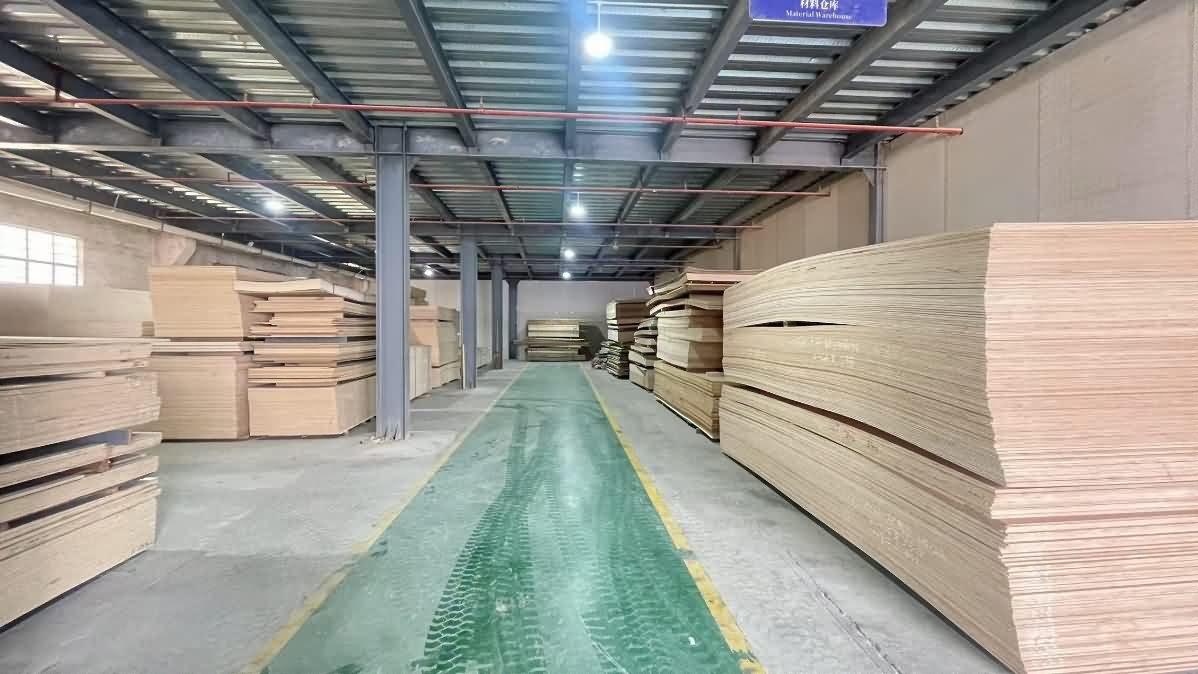
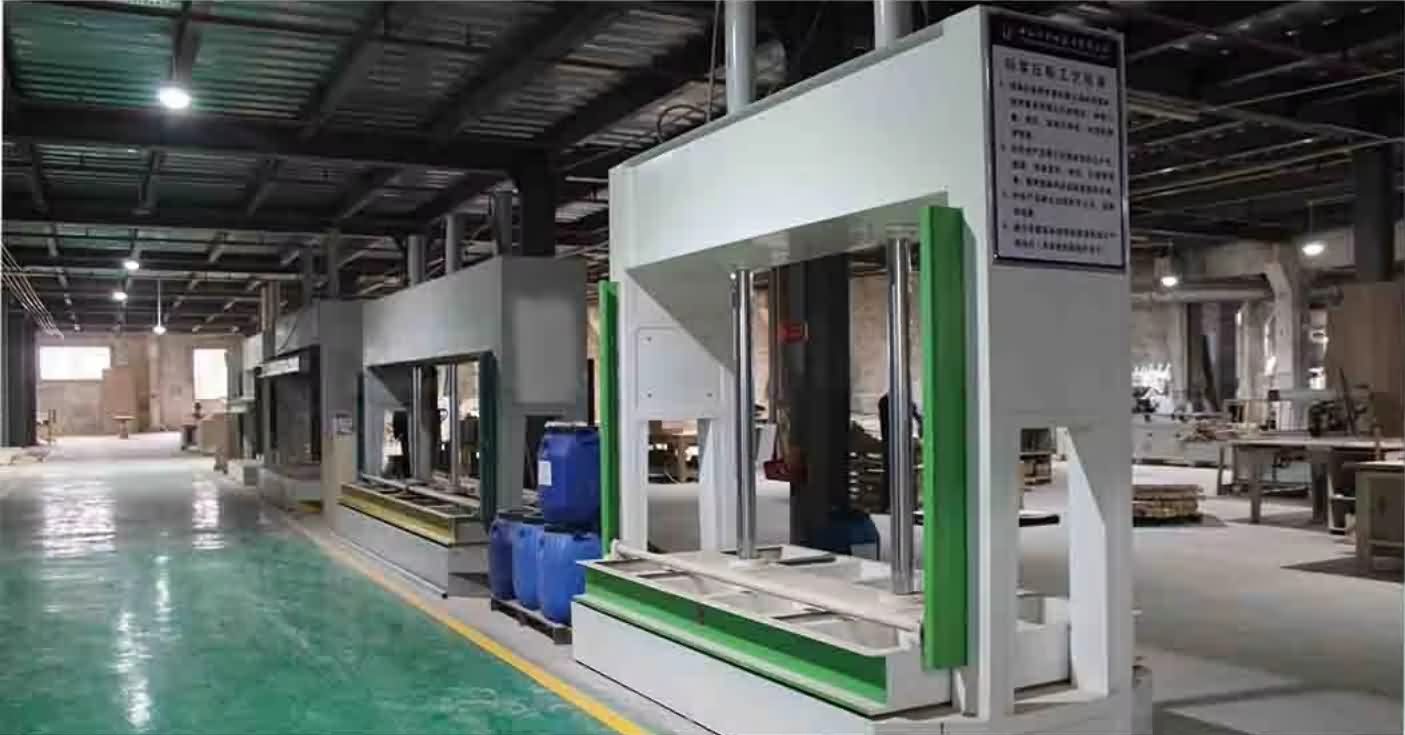
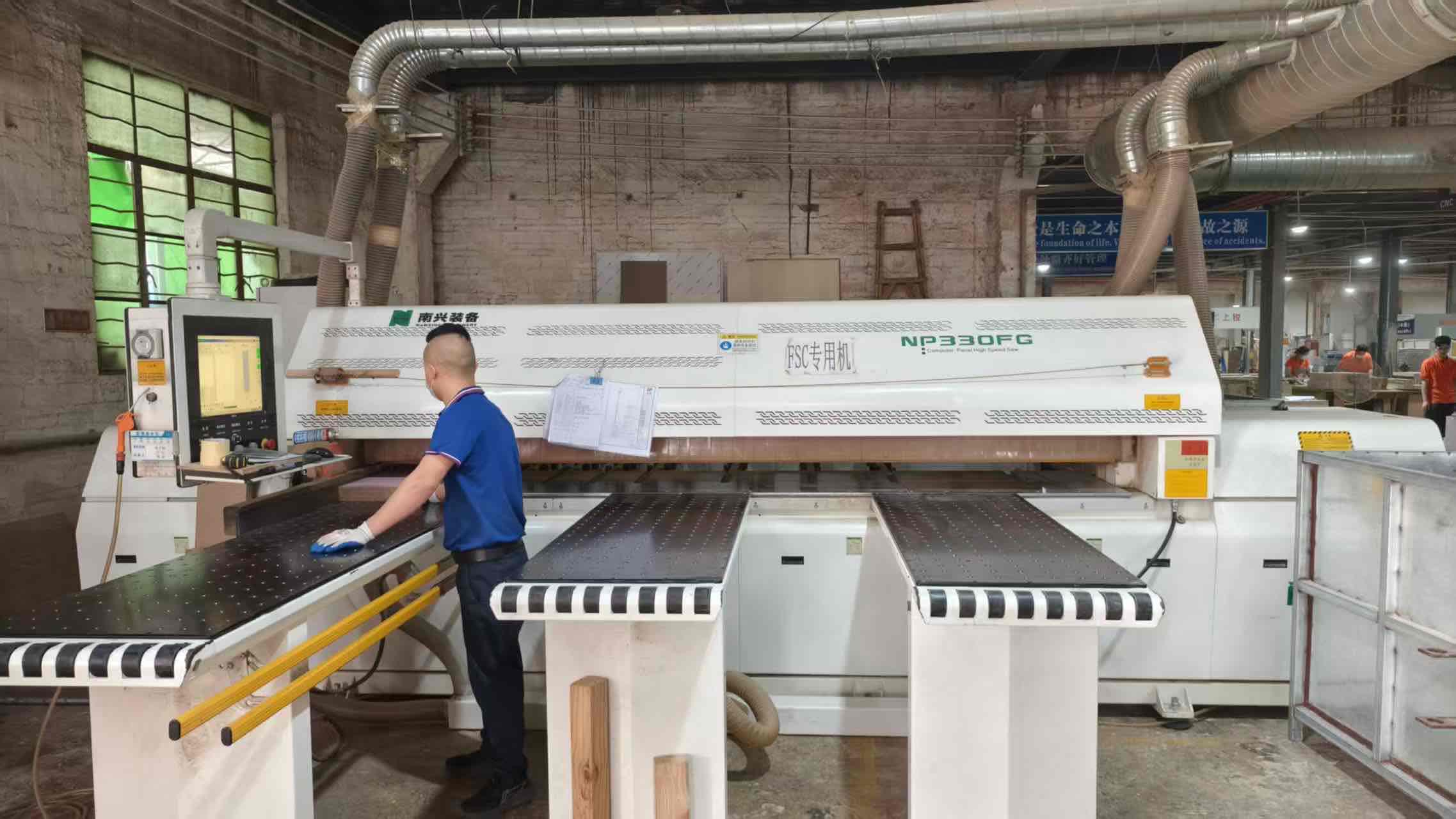
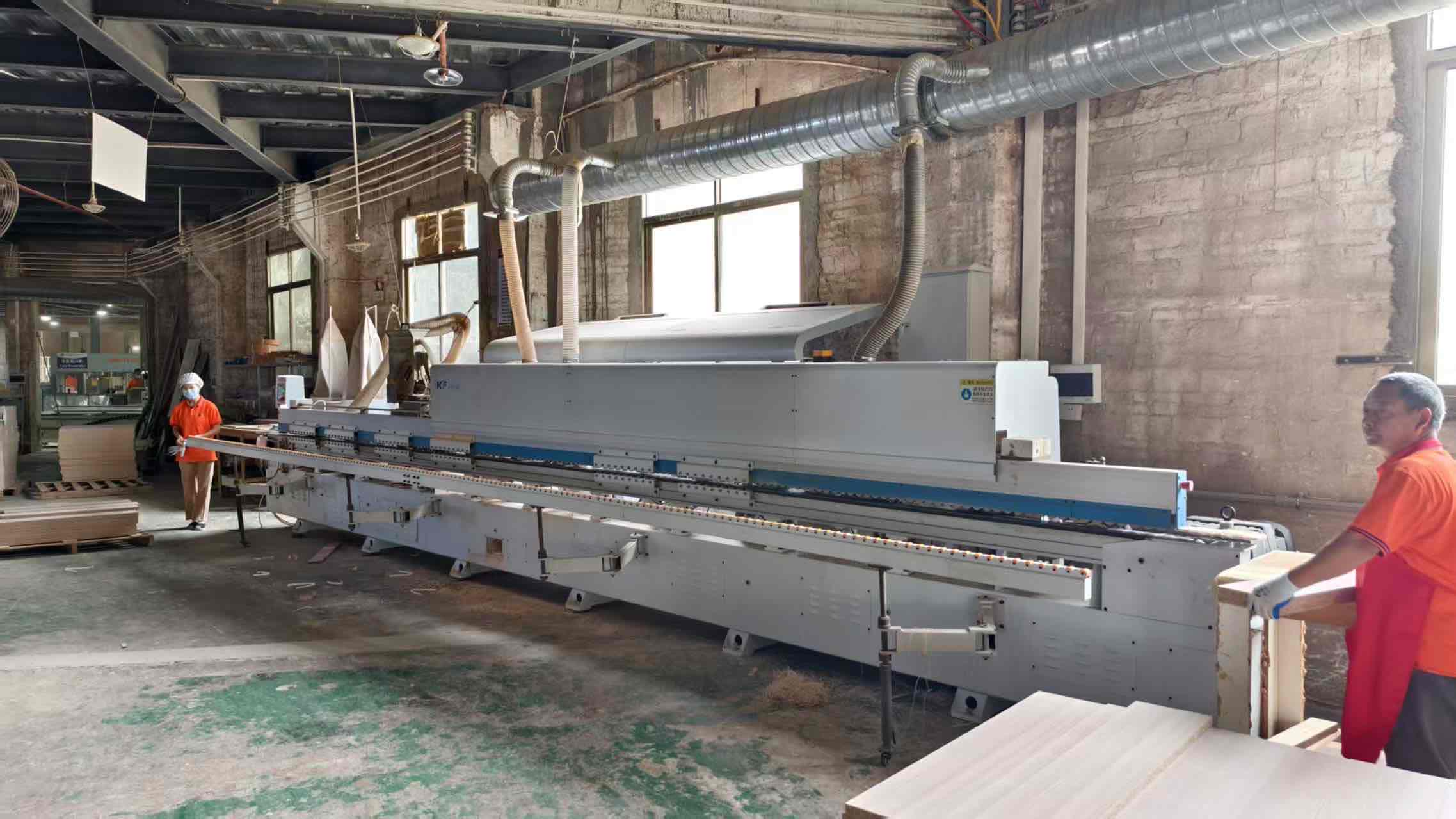
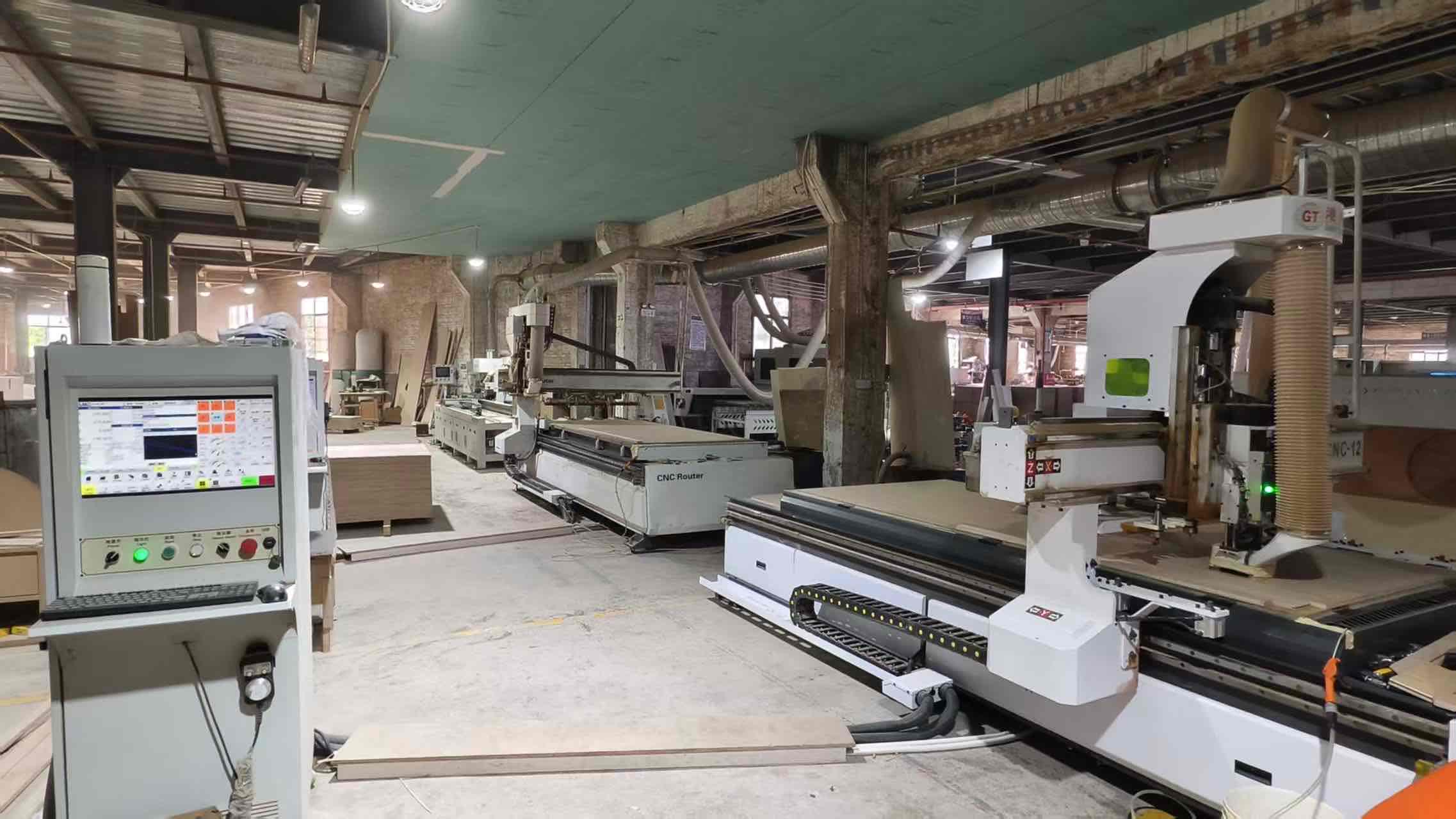
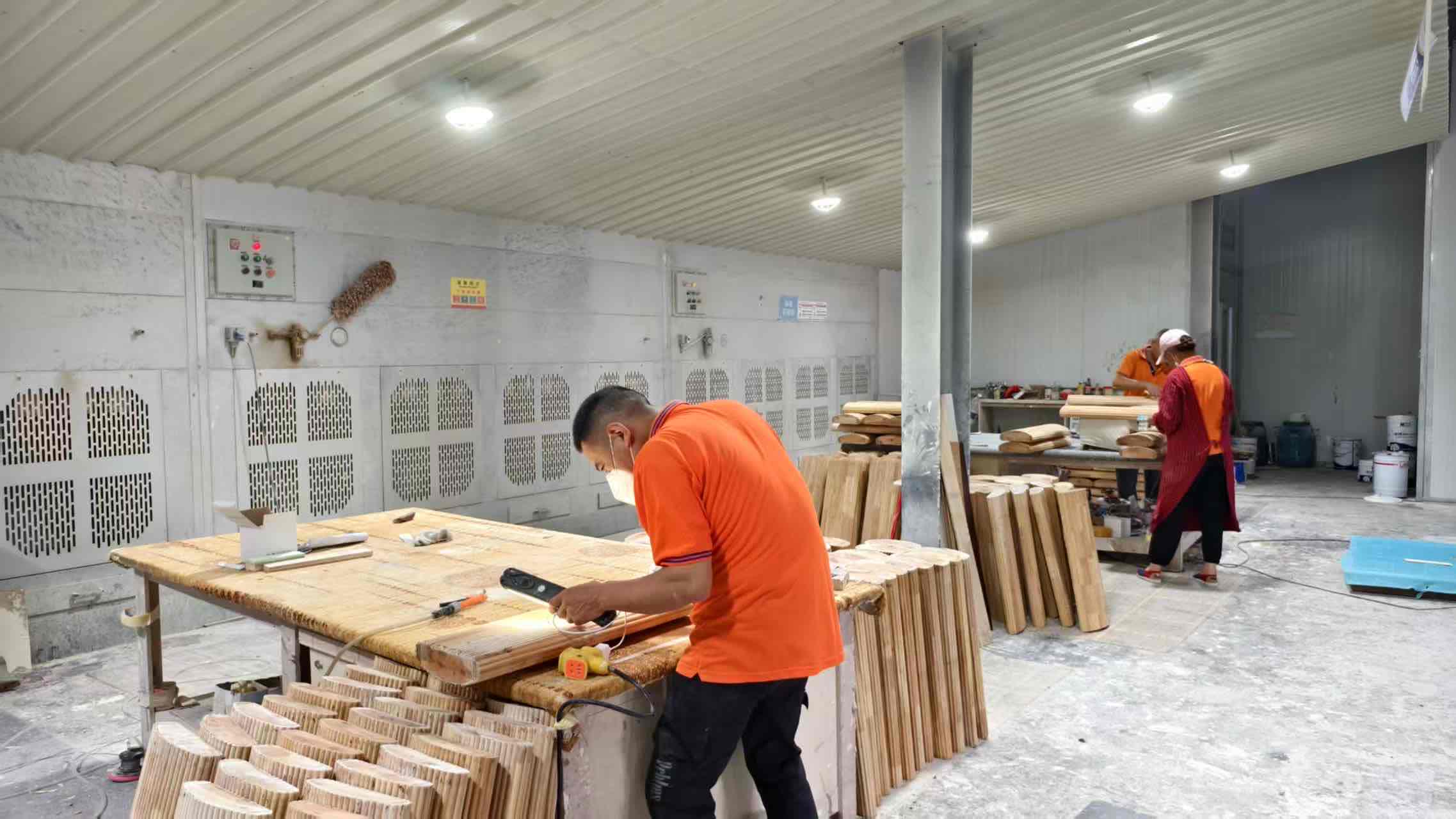
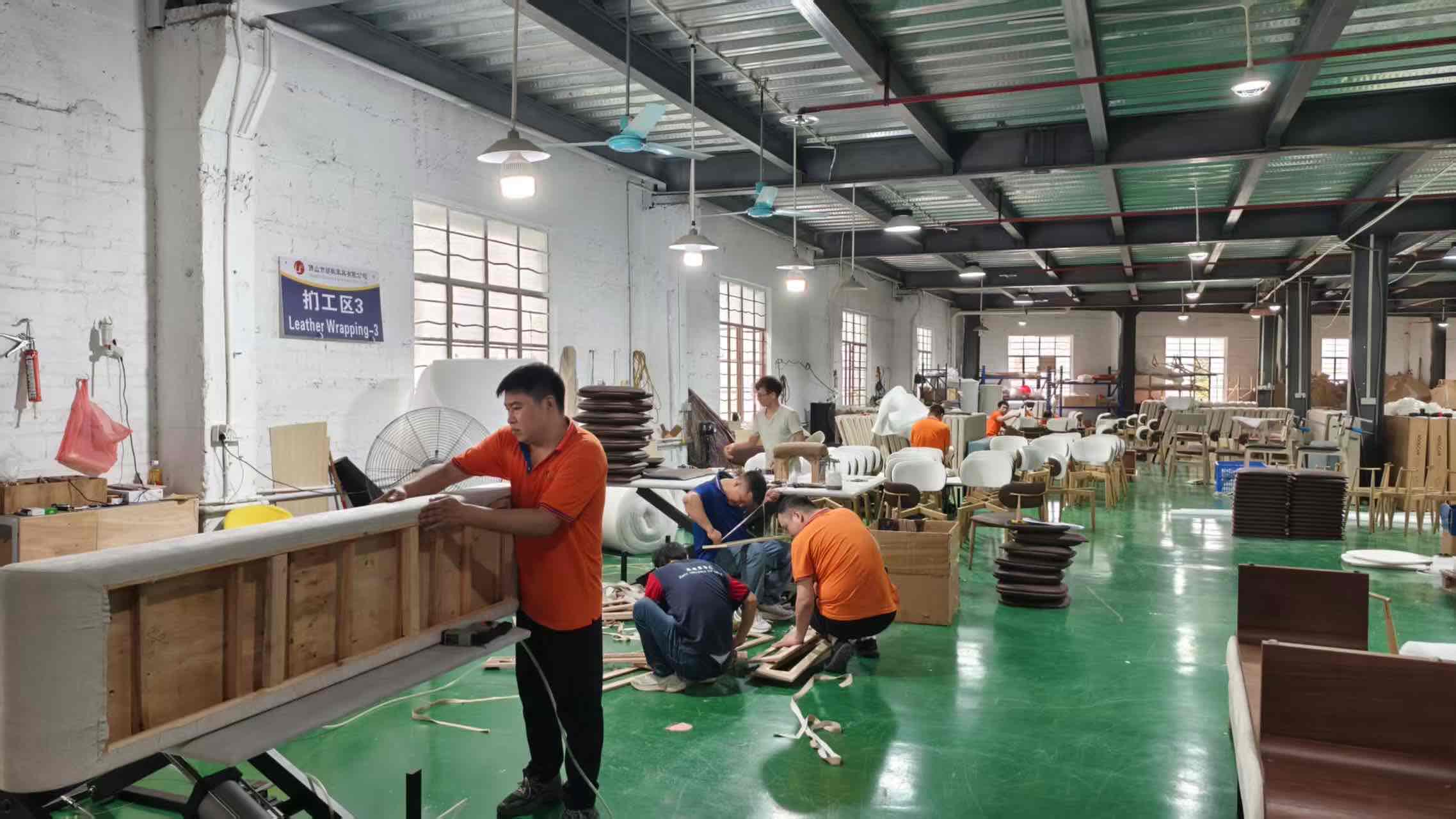
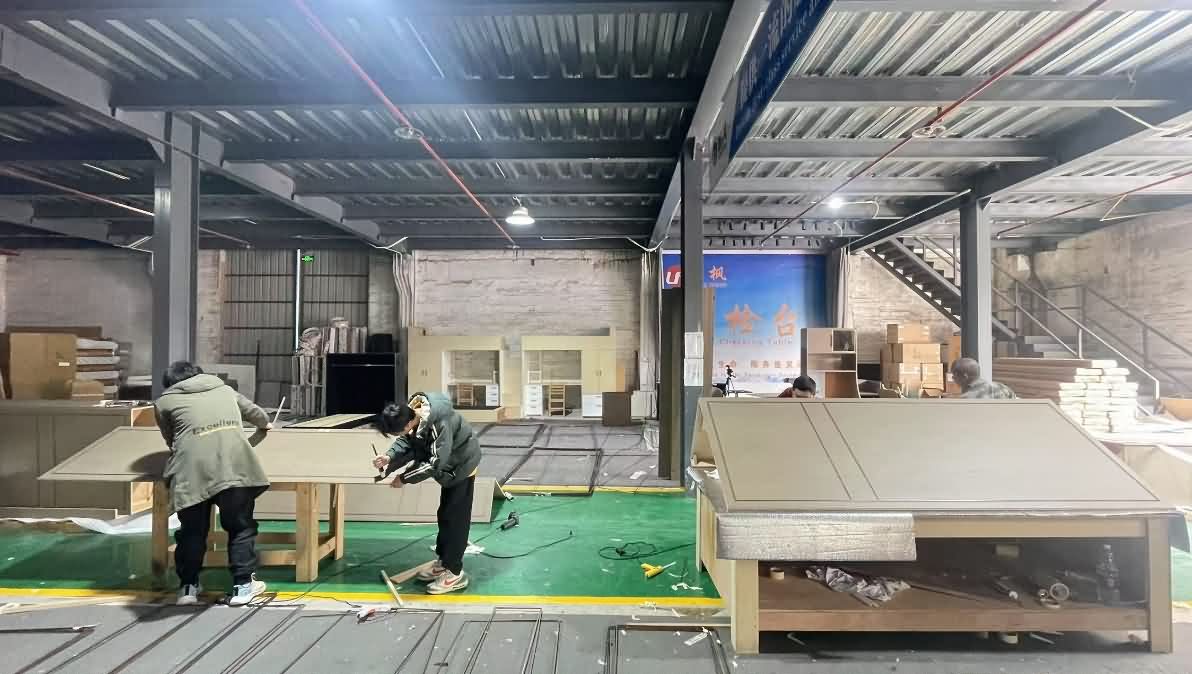
Foshan Daski Furniture Co., Ltd. brings over 20 years of precision production, heavy structural fabrication, and modular engineering excellence to commercial battery integration. Operating out of our expansive 28,000 m² modern manufacturing facility staffed by 200+ technical specialists, we maintain full vertical integration—from specialized CAD/CAM enclosure design, laser-welded busbar fabrication, and automated cell sorting to climatic chamber aging.
Modern commercial and utility-scale energy projects demand uncompromising durability. A standard LiFePO4 Battery Pack (Lithium Iron Phosphate, LiFePO4) offers unparalleled intrinsic chemical stability due to the covalent P-O bond, which resists oxygen release at temperatures up to 500°C. By deploying rigid structural integration, vibration-tested internal bracing, and advanced thermal management, our hardware meets the rigorous load-bearing and heat-dissipating requirements of mission-critical projects.
From decentralized telecom base stations and grid-tied commercial microgrids to heavy-duty off-grid solar installations, we eliminate intermediate supply chain layers. Buyers work directly with qualified mechanical, electrical, and firmware engineers, ensuring complete end-to-end component traceability and ISO 9001-certified consistency across every batch.
▶ State-of-the-art precision testing, automated matching, and pack assembly lines.
How our rigorous cell-to-pack (CTP) standard guarantees cycle longevity, communication protocol harmony, and physical chassis durability.
Finite element thermal analysis (FEA), structural enclosure engineering, and CAN/RS485/Modbus inverter protocol mapping.
Four-wire AC internal resistance (ACIR) testing and capacity grouping to ensure identical degradation curves.
Robotic fiber-laser welding of high-purity nickel-copper laminated busbars with epoxy insulation barriers.
Mounting industrial multi-tier protection BMS with NTC thermistors, aerosol fire suppression, and dry contacts.
Full 1.0C charge/discharge stress cycling in environmental test chambers followed by UN38.3 certified packaging.
What procurement directors, microgrid integrators, and distributors need to anticipate over the 2025–2030 energy storage horizon.
1. Escalation of Prismatic Large-Form Factor (280Ah – 314Ah+) Cells: The industry is decisively shifting away from 50Ah–100Ah pouch or cylindrical configurations toward massive 280Ah and 314Ah prismatic aluminum-cased cells. This transition simplifies cell-to-pack (CTP) complexity by cutting the number of series-parallel solder joints by over 60%, drastically minimizing internal resistance points and reducing structural failure modes.
2. Dynamic Active Balancing Superseding Passive Dissipation: Traditional passive balancing systems dissipate marginal excess charge through bleeder resistors, radiating unwanted heat inside sealed battery housings. Modern AI-assisted B2B buyers now mandate active balancing architectures (1A to 2A transfer currents). By shuttling energy bi-directionally between adjacent cell series, packs eliminate cumulative cell drift, unlock up to 15% more usable capacity in year 5, and safeguard calendar life.
3. Tightening Safety Codes (UL 9540A & Multi-Sensor Fire Mitigation): Jurisdictions in North America and Western Europe have moved beyond base electrical testing. Sourcing guidelines now explicitly demand UL 9540A unit-level fire test data confirming zero cell-to-cell thermal propagation. Advanced packs now integrate aerosol clean-agent suppression capsules, pressure release valves, and dual gas-detection sensors (CO and H2) linked directly to the BMS shutdown relays.
4. Digital Product Passports (DPP) & Closed-Loop Circularity: With the implementation of the European Union Battery Regulation, traceability has become non-negotiable. Sourcing strategies now require real-time digital documentation verifying carbon footprint metrics, ethically certified lithium extraction, recycled cathode percentages, and complete end-of-life reclamation pathways.
Fully customizable form factors engineered for seamless drop-in integration, renewable storage, and heavy-duty cycling.
Standard 19-inch standard rack enclosures with CAN/RS485 multi-inverter protocol support. Typical MOQ: 5–10 units.


Rugged ABS/IP65 steel enclosures designed for RVs, marine vessels, AGVs, golf carts, and off-grid power towers.

Minimizing import liability, tariff roadblocks, and installation downtime across global commercial markets.
Traceable manufacturing processes tracking raw cell procurement, automated laser busbar joining, and dynamic burn-in testing on each batch.
Certified for stationary battery safety and validated through thermal runaway burn tests confirming zero cascading cell failure.
International electrotechnical certification ensuring electrical, chemical, and mechanical safety under continuous heavy industrial abuse.
Complete safety documentation including altitude simulation, high-g impact testing, thermal cycling, and MSDS clearance for frictionless sea freight.
Conforms to low voltage directives and electromagnetic compatibility norms, preventing interference with sensitive telecom and inverter hardware.
Assessed by international third-party inspection firms for production capability, financial stability, and on-time shipment compliance.
Protect your capital investment. Avoid low-grade recycled cells, undersized MOSFETs, and inadequate thermal heat paths with this technical checklist.
| Critical Metric | Tier-1 Standard (Foshan Daski) | Commodity / Generic Pack |
|---|---|---|
| Cell Chemistry & Form | New Tier-1 Prismatic Aluminum (EVE/CATL Grade A) | Repurposed Pouch or Grade-B Prismatic |
| Cycle Life (@ 80% DoD) | ≥ 6,000 to 8,000 Cycles | ≤ 2,000 to 3,000 Cycles |
| Balancing Methodology | Active Balancing (1.0A–2.0A Transfer Current) | Passive Dissipative (30mA–50mA Resistor Heat) |
| Busbar Connection | Fiber Laser Welded Solid/Laminated Copper | Threaded Studs & Stamped Washers |
| Operating Temp Range | Charge: 0~55°C (Heater option: -20°C); Discharge: -20~60°C | Charge: 0~45°C; Discharge: -10~50°C |
| Inverter Communication | Isolated Dual CAN / RS485 / Modbus Protocols | Generic RS485 or Basic Analog Voltage Only |
| Fire Suppression Option | Integrated Aerosol Extinguisher + Gas Detection | Unprotected Sheet Metal Enclosure |
| Warranty & Service | 5–10 Year Comprehensive Commercial Warranty | 1 Year Limited / Component-Only |
Direct answers addressing technical queries encountered during large-scale procurement tenders.
True Tier-1 Grade-A prismatic cells undergo factory-level testing for stringent capacity retention, uniform internal resistance (IR), and strict delta-V tolerances under full cycling. Graded or b-grade cells frequently exhibit uneven aging, accelerated thermal runaway risks, and reduced calendar life below 2,500 cycles.
Active balancing redistributes excess charge from high-voltage cells to lower-voltage cells via capacitive or inductive energy transfer rather than dissipating energy as waste heat. This maintains string uniformity across serial cell groups and dramatically lowers hot spot risks during peak C-rate discharge.
Critical certifications include UN38.3 transport compliance, IEC 62619 for industrial safety, UL 1973 for stationary energy storage, UL 9540A for thermal runaway fire testing, and CE/EMC directives for EU grid interaction.
Due to a cycle life exceeding 6,000 to 8,000 cycles at 80% Depth of Discharge (DoD) and inherently safe olivine chemistry that eliminates thermal runaway mitigation overhead, LiFePO4 delivers a 35% to 45% lower lifetime LCOS per kWh compared to NCM systems.
Foshan Daski Furniture Co., Ltd. provides end-to-end customization covering rackmount (19-inch), wall-mounted, and stackable configurations, customized busbar laser welding, closed-loop inverter communication protocols (CAN/RS485), and rugged anti-vibration enclosures with IP65 weather ratings.
Submit your voltage, ampere-hour (Ah) requirements, inverter integration protocols, and target deployment schedule. Email our team directly: [email protected]
Direct volume pricing, container load schedules, and rapid customization of structural steel battery chassis.
Order a 1:1 engineering evaluation unit to confirm BMS communications, efficiency metrics, and mechanical mounting prior to fleet deployment.