48V / 51.2V Rack-Mount Module
- Ideal for Telecom, Data Centers & ESS
- Standard 19-inch 3U/4U Chassis Design
- Integrated 100A/200A Smart CAN/RS485 BMS
- 6000 Cycles @ 0.5C Continuous Rate

An authoritative engineering blueprint for industrial procurement managers, microgrid integrators, and commercial energy storage operators evaluating tier-1 Lithium Iron Phosphate Battery infrastructure.
In the rapidly evolving energy transition landscape, selecting the correct chemical architecture for battery energy storage systems (BESS) directly determines operational safety, levelized cost of storage (LCOS), and asset longevity. The Lithium Iron Phosphate Battery (LiFePO4) has solidified its dominance across commercial, industrial, and utility-scale installations worldwide.
Unlike Nickel Manganese Cobalt (NMC) or Lithium Cobalt Oxide (LCO) chemistries, the Lithium Iron Phosphate Battery utilizes a olivine crystal structure bonded with strong covalent P-O bonds. This crystal topology resists thermal decomposition even up to temperatures exceeding 270°C, rendering thermal runaway virtually impossible under standard mechanical abuse, overcharge, or external short-circuit conditions.
Foshan Daski Furniture Co., Ltd. manufactures modular, high-density Lithium Iron Phosphate Battery systems engineered for seamless integration with off-grid inverters, hybrid power stations, and industrial microgrids. Below are our core engineered product series optimized for global enterprise buyers:
When procuring energy storage assets, comparative analysis against competing battery chemistries provides crucial information gain for procurement engineering teams:
| Metric / Parameter | Lithium Iron Phosphate Battery (LiFePO4) | NMC (Nickel Manganese Cobalt) | Lead-Acid (AGM/GEL) |
|---|---|---|---|
| Volumetric Energy Density | 300 – 350 Wh/L | 450 – 650 Wh/L | 70 – 90 Wh/L |
| Cycle Life (80% DOD) | 6,000 – 10,000 Cycles | 1,500 – 3,000 Cycles | 400 – 800 Cycles |
| Thermal Runaway Temp | > 270°C (Extremely Safe) | ~ 210°C (High Risk) | N/A (Gassing Risk) |
| Environmental Impact | Cobalt-Free, Non-Toxic, Recyclable | Requires Cobalt/Nickel Mining | Heavy Metal Lead & Sulfuric Acid |
| LCOS ($/kWh/Cycle) | $0.03 – $0.05 | $0.09 – $0.14 | $0.20 – $0.35 |
| Operating Temp Range | -20°C to +60°C | -10°C to +45°C | -15°C to +40°C |
What technical advancements will shape the Lithium Iron Phosphate Battery market over the next decade? Emerging material engineering breakthroughs are rapidly expanding performance boundaries.
By doping manganese into the olivine cathode crystal, manufacturers are elevating cell nominal voltage from 3.2V to 3.7V. This material modification boosts volumetric energy density by 15-20% while retaining the inherent safety and low degradation kinetics of standard Lithium Iron Phosphate Batteries.
Traditional modular battery construction suffered from structural volume inefficiencies, with active energy storage cells occupying only 40% of module volume. Next-generation Lithium Iron Phosphate Battery packs employ structural adhesive bonding and direct-to-rack framing, elevating pack space utilization to over 65% and substantially reducing structural weight.
Modern battery management systems (BMS) have transitioned from simple passive resistor-bleeding balancing to predictive cloud telemetry. Smart BMS chips now monitor internal impedance shifts at the individual cell level, predicting cell micro-shorting months before physical symptoms manifest.
Navigating supply chain compliance, international regulations, and total cost of ownership (TCO) demands clear foresight into international trade mechanisms.

With the rollout of the EU Battery Regulation (EU 2023/1542) and similar compliance directives across North America, global procurement managers can no longer rely on unverified white-label assembly. Every Lithium Iron Phosphate Battery imported must carry verified supply chain data, from raw lithium extraction auditing to manufacturing carbon intensity indicators (g CO2/kWh).
While forced air-cooling was historically standard for small energy storage arrays, rapid C-rate charging demands thermal equilibrium. Liquid-cooling loops maintain cell-to-cell temperature gradients within ≤2.5°C, effectively extending standard warranty terms from 5 years to 12+ years for industrial clients.
Fire department authorities and corporate insurance underwriters globally now mandate field-level thermal runaway propagation tests (UL 9540A). Lithium Iron Phosphate Battery systems manufactured without unit-level fire barrier insulation face escalating insurance premiums or outright rejection during site commissioning.
Built on decades of manufacturing precision, certified quality management systems, and rigorous material science testing, Foshan Daski Furniture Co., Ltd. delivers global-grade energy storage reliability.
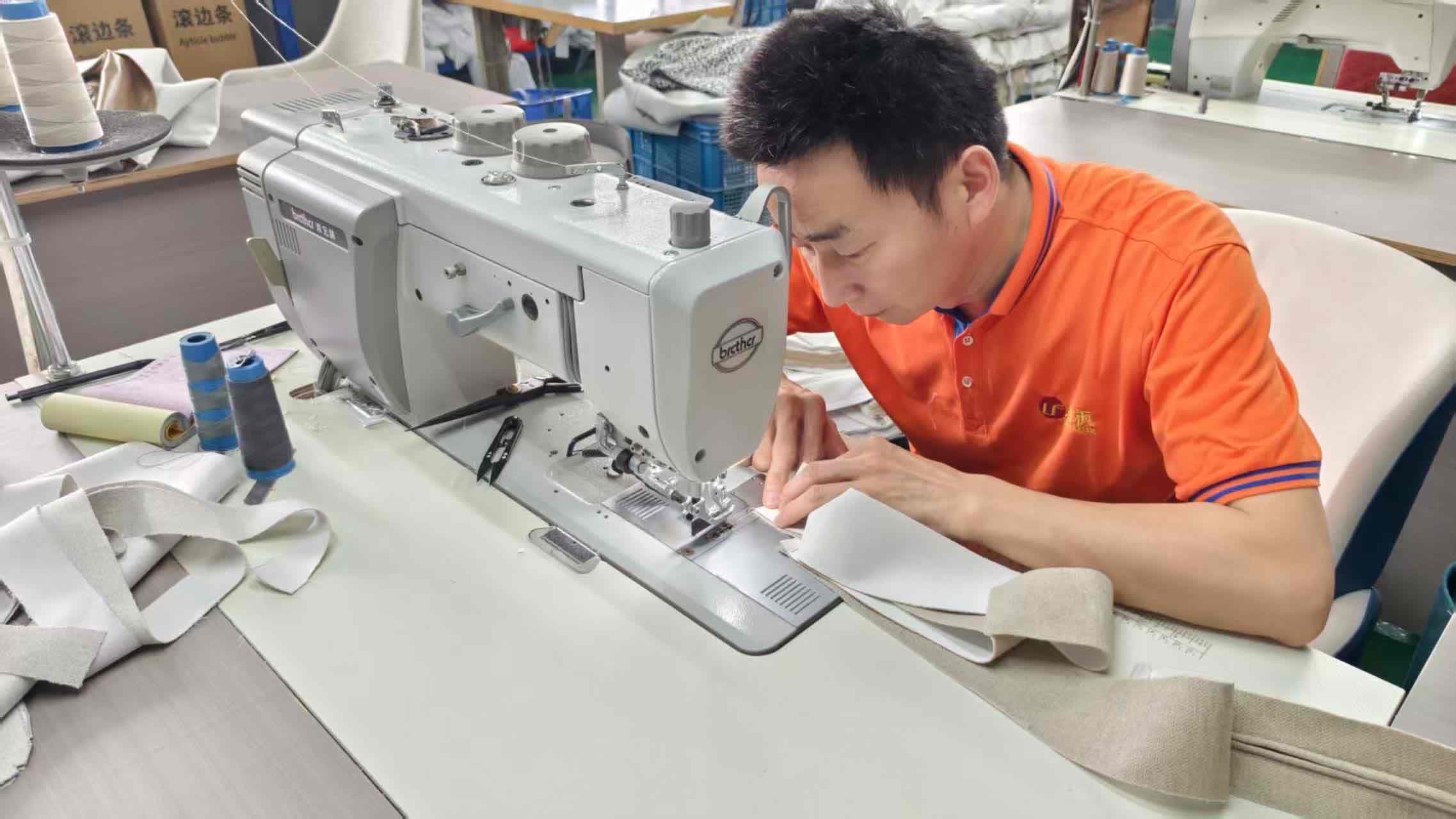
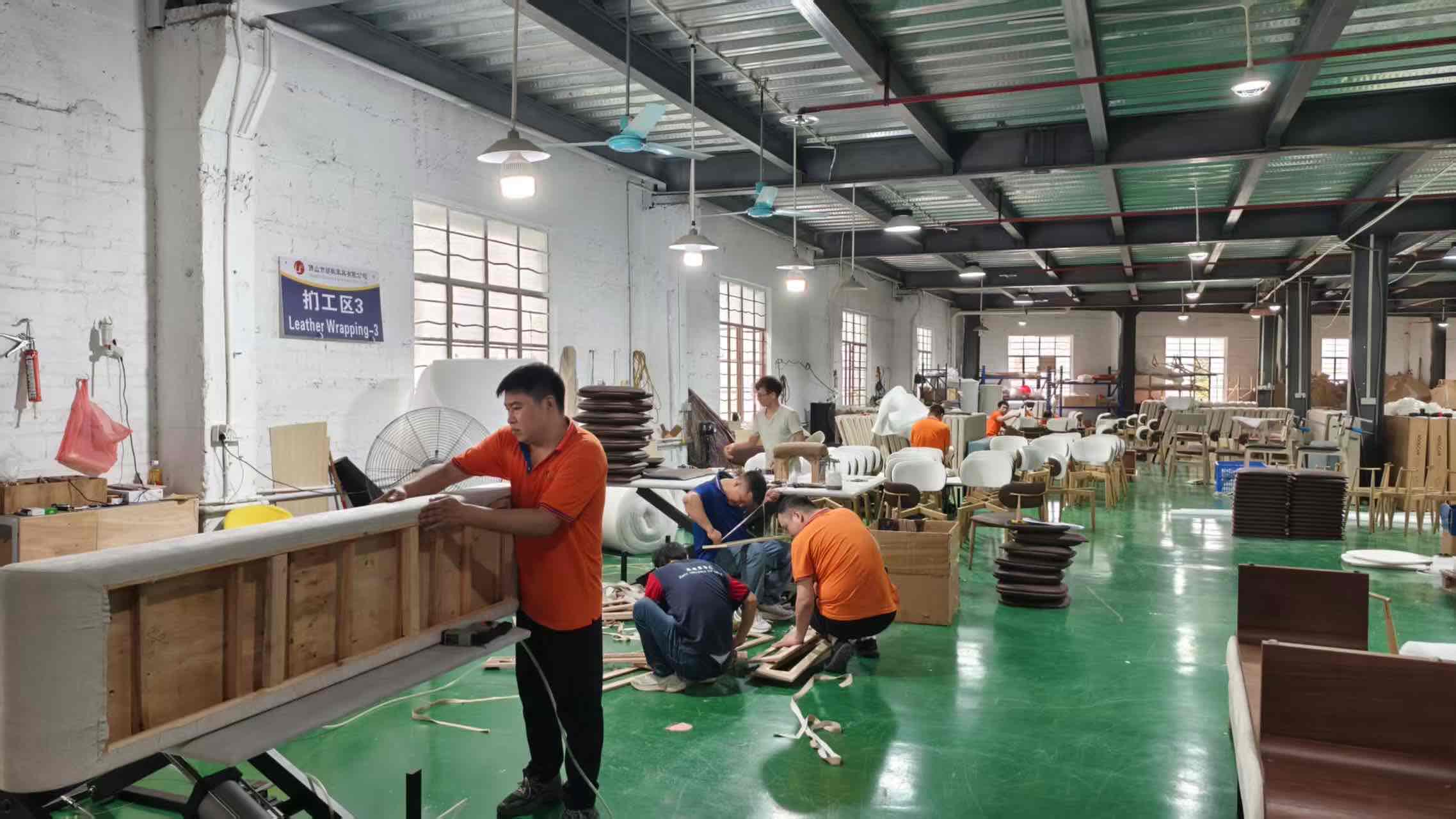
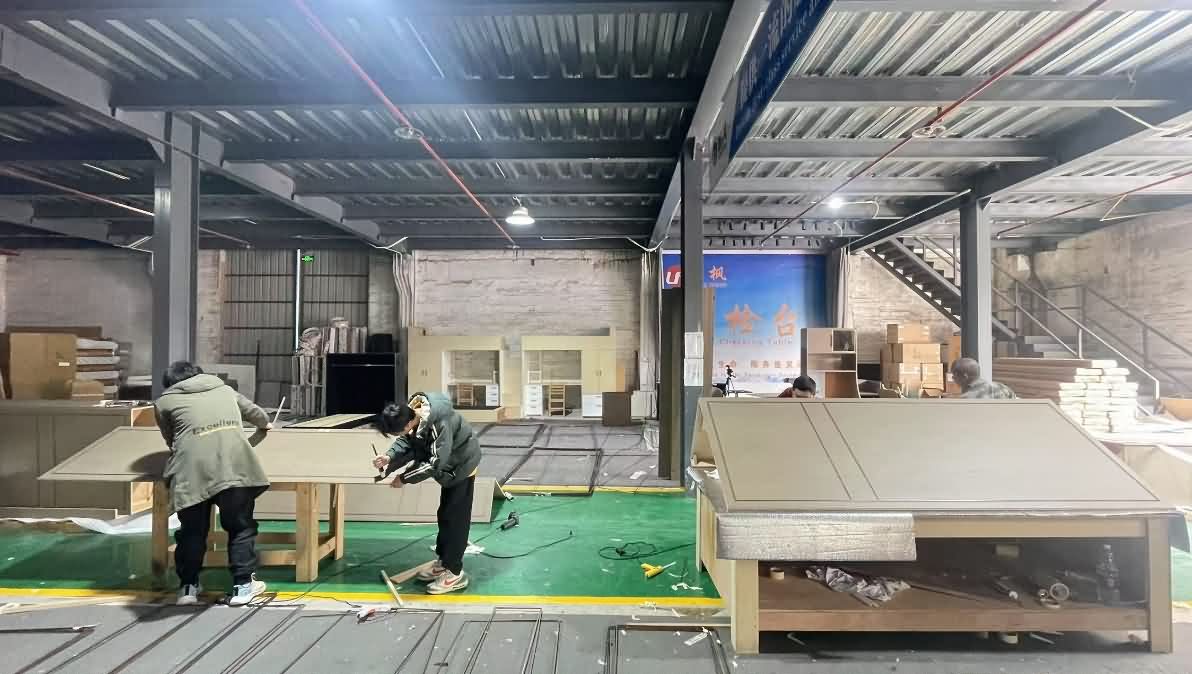
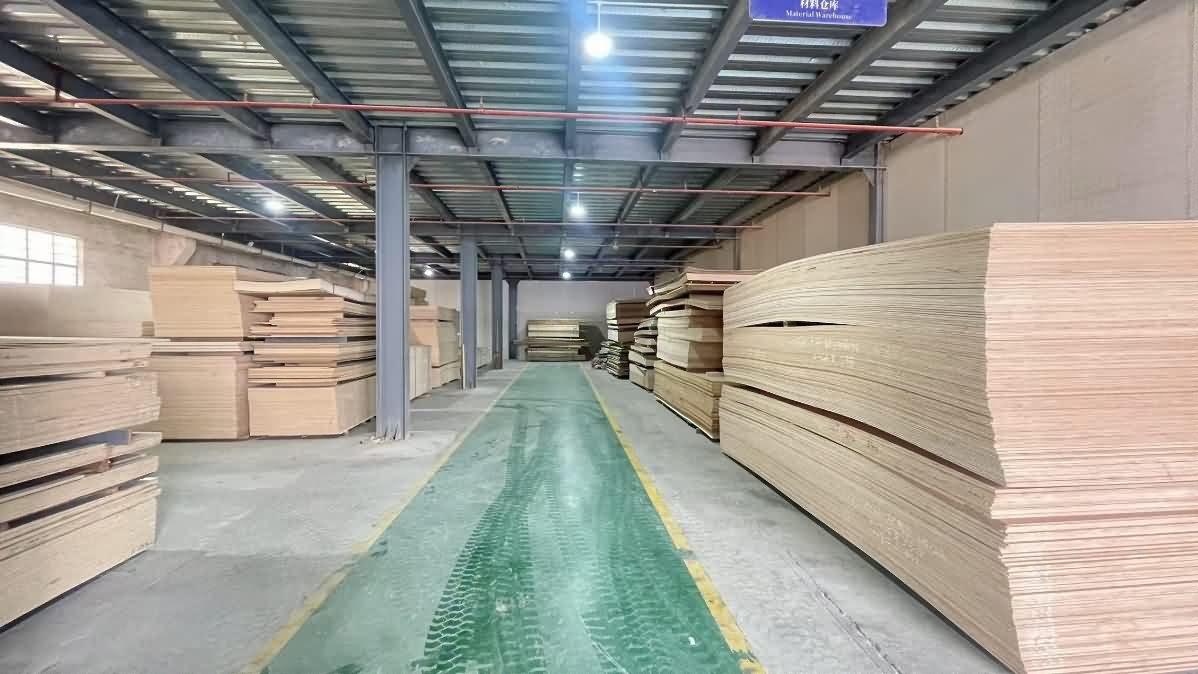
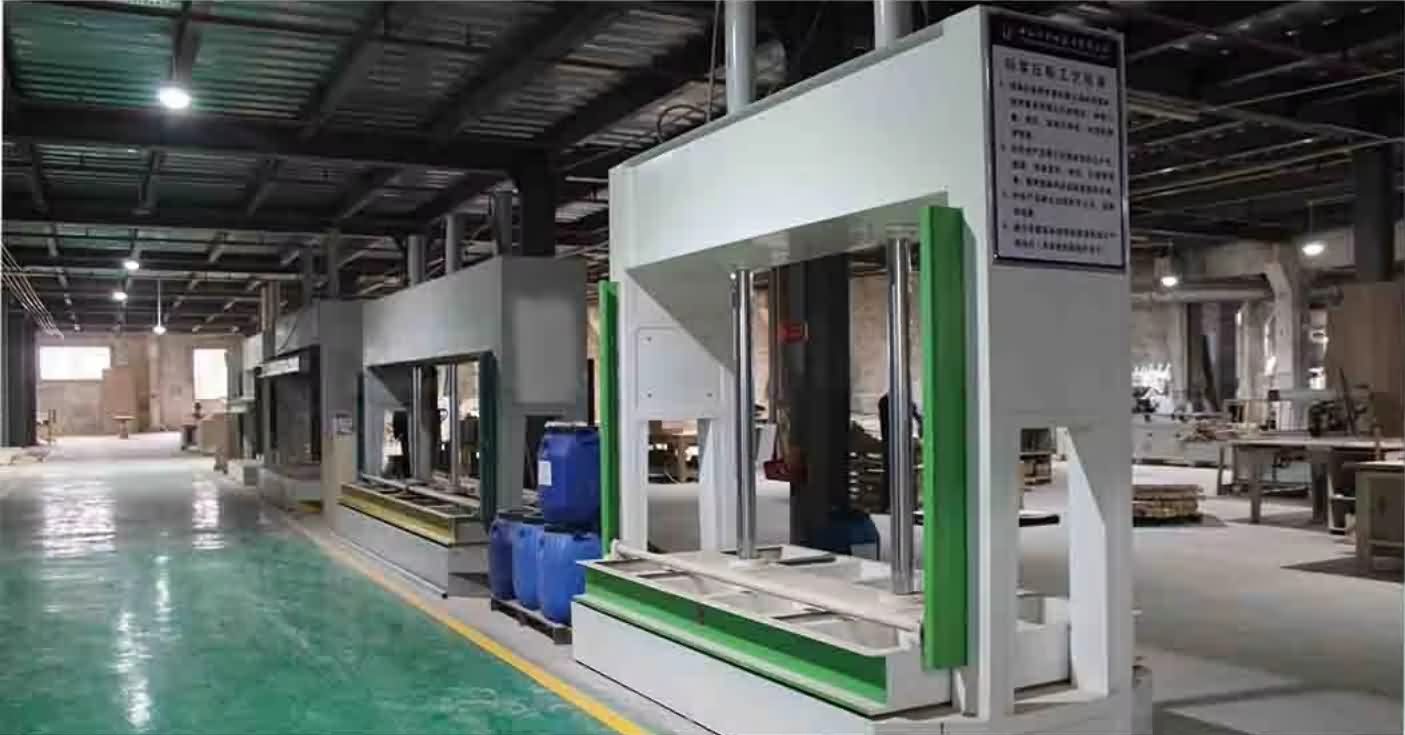
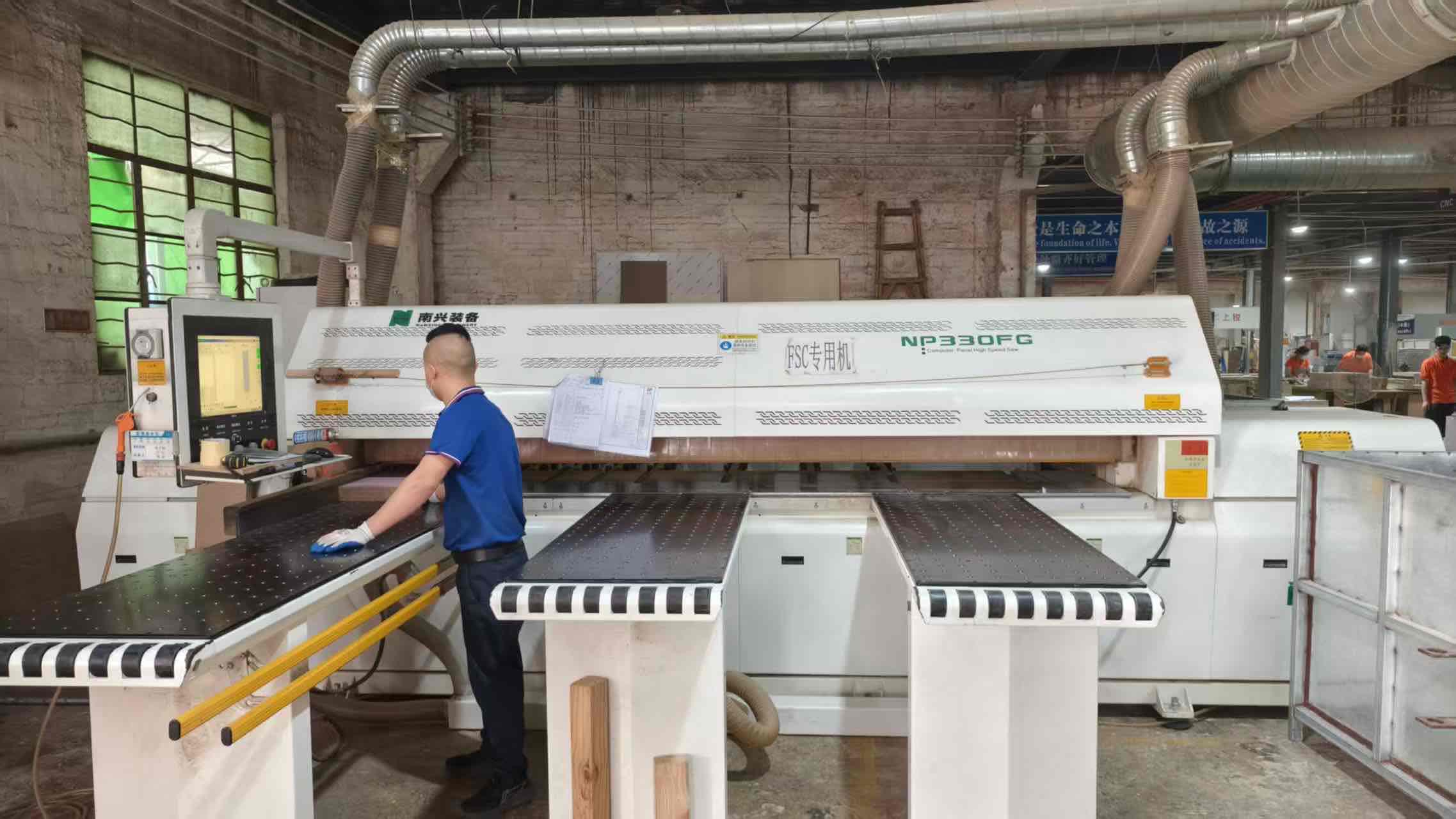
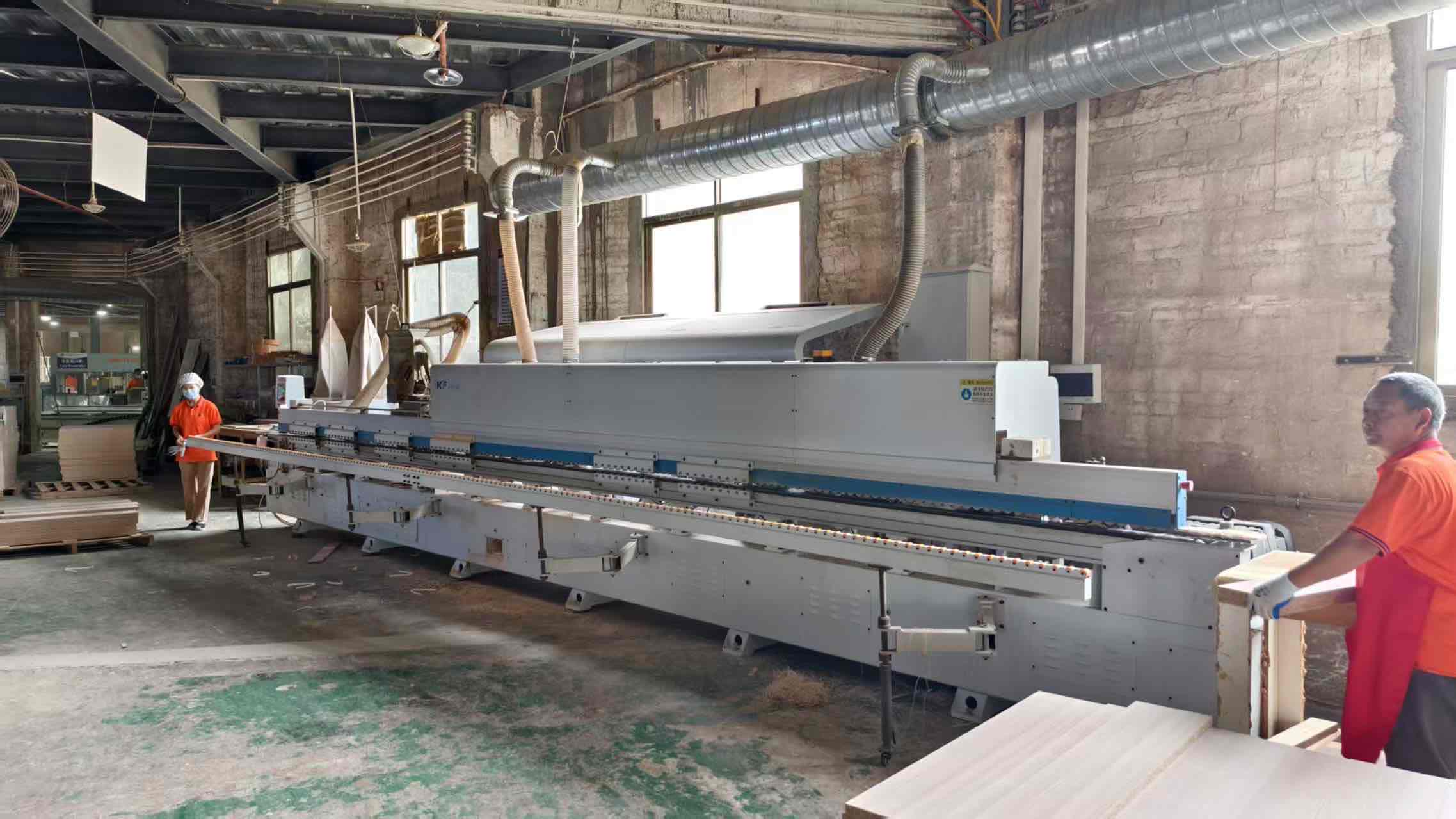
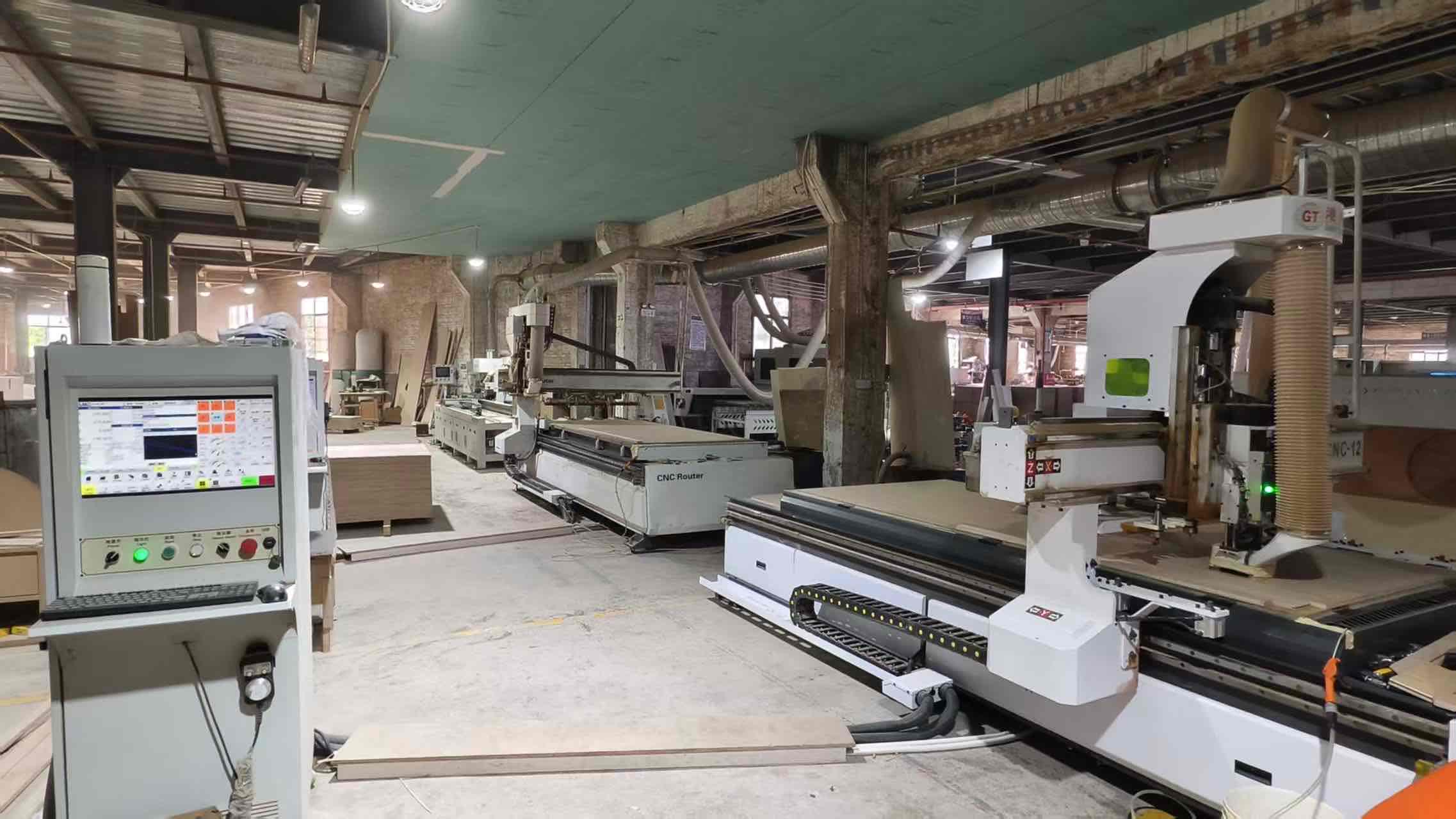
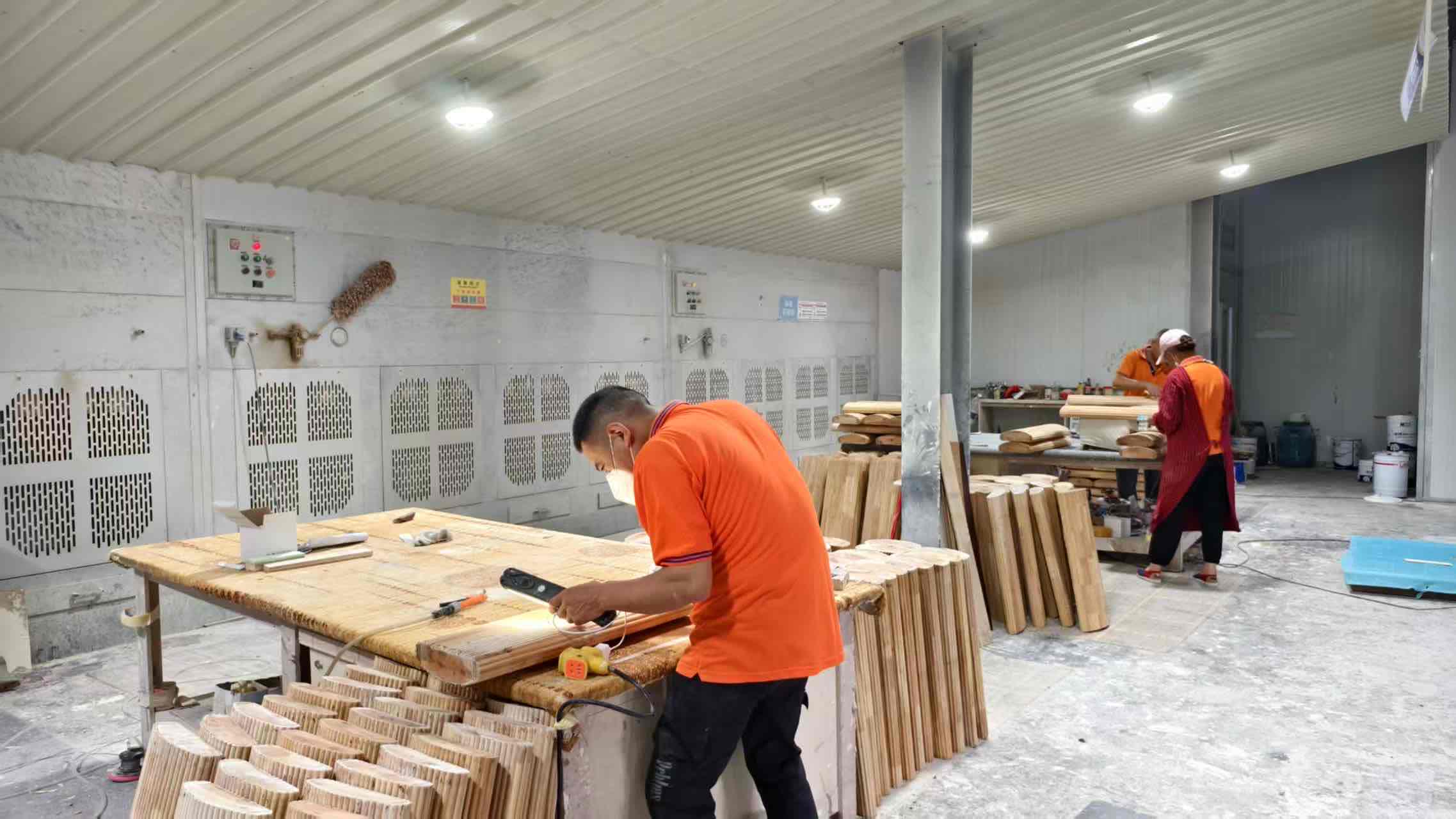
At Foshan Daski Furniture Co., Ltd., we bring disciplined industrial manufacturing engineering to energy storage assembly. Operating out of our modern 28,000 m² manufacturing facility with a dedicated team of over 200 skilled engineers and technicians, we maintain complete control over design, assembly, testing, and export packaging.
Every Lithium Iron Phosphate Battery pack leaving our production lines undergoes a rigorous 5-stage quality gate:

Engineered answers addressing frequent technical queries submitted by international procurement specialists, system integrators, and B2B buyers.
Lithium Iron Phosphate (LiFePO4) offers far superior thermal stability (thermal runaway threshold >270°C vs NMC's ~210°C), significantly longer lifecycle (6,000+ cycles at 80% DOD vs NMC's 1,500–2,500 cycles), lower levelized cost of storage (LCOS), and zero cobalt or nickel supply chain vulnerabilities.
Lifecycle degradation in tropical regions is primarily governed by sustained cell operating temperatures above 35°C, high continuous C-rates (>0.8C), and high state-of-charge (SoC) hold times. Integrated smart BMS active balancing and liquid cooling heat exchangers engineered by Foshan Daski Furniture Co., Ltd. reduce thermal stress, maintaining 80% capacity retention beyond 15 years.
For North America, UL 1973 (stationary batteries) and UL 9540A (unit-level thermal runaway fire testing) are critical. For Europe, IEC 62619 (industrial lithium safety), CE-EMC, and Compliance with EU Battery Regulation (EU 2023/1542) featuring supply chain carbon footprint declaration and Battery Passport traceability are required. UN 38.3 transport certification is mandatory worldwide.
Foshan Daski Furniture Co., Ltd. utilizes Grade-A automotive-cell sorting with dynamic delta-V under 5mV and internal resistance matching within 0.3mΩ. Every pack features custom multi-tier BMS boards with active inductive balancing up to 5A, preventing early string cutoff during rapid high-power charge/discharge cycles.
Yes. Our proprietary Smart BMS comes pre-programmed with dual RS485 and CAN communication protocols matching top-tier solar and off-grid inverter manufacturers including Victron Energy, SMA, Growatt, Deye, GoodWe, Solis, and Schneider Electric. Custom protocol mapping is available upon request.
Submit your project electrical schematics, daily cycle profile, and voltage requirements. Our technical sales engineering department will respond with a complete engineering proposal within 24 hours. Email: [email protected]
Get custom OEM/ODM packaging, customized cabinet design, and volume-tiered factory pricing.
Review single-line diagrams (SLD), thermal dissipation calculations, and grid-tied interface designs.