Dining & Lounge
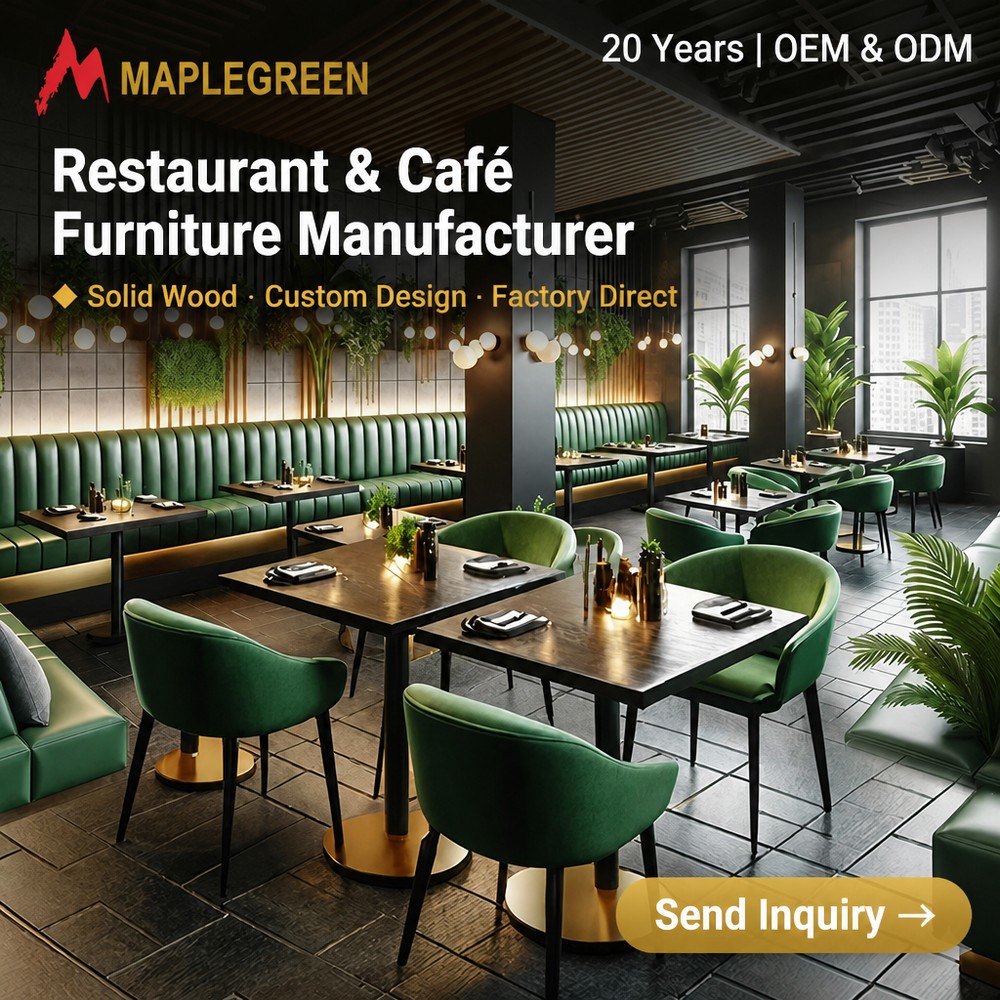
- Reinforced Solid Hardwood Framework
- CAL TB 117 / BS 5852 Fire Resistance
- Modular Built-to-Plan Joinery
Engineered for high-traffic wear resistance, thermal heat management, and acoustic dampening across guestrooms, VIP suites, and executive lounges.
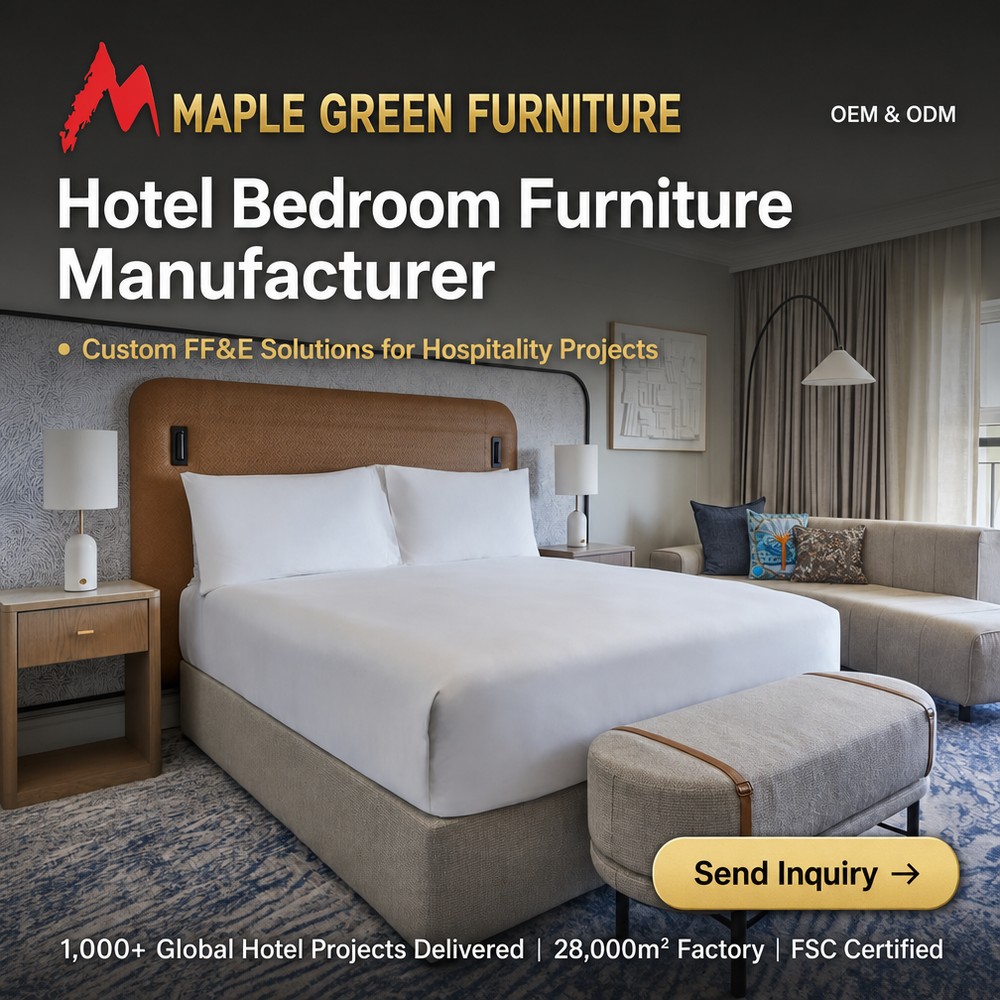

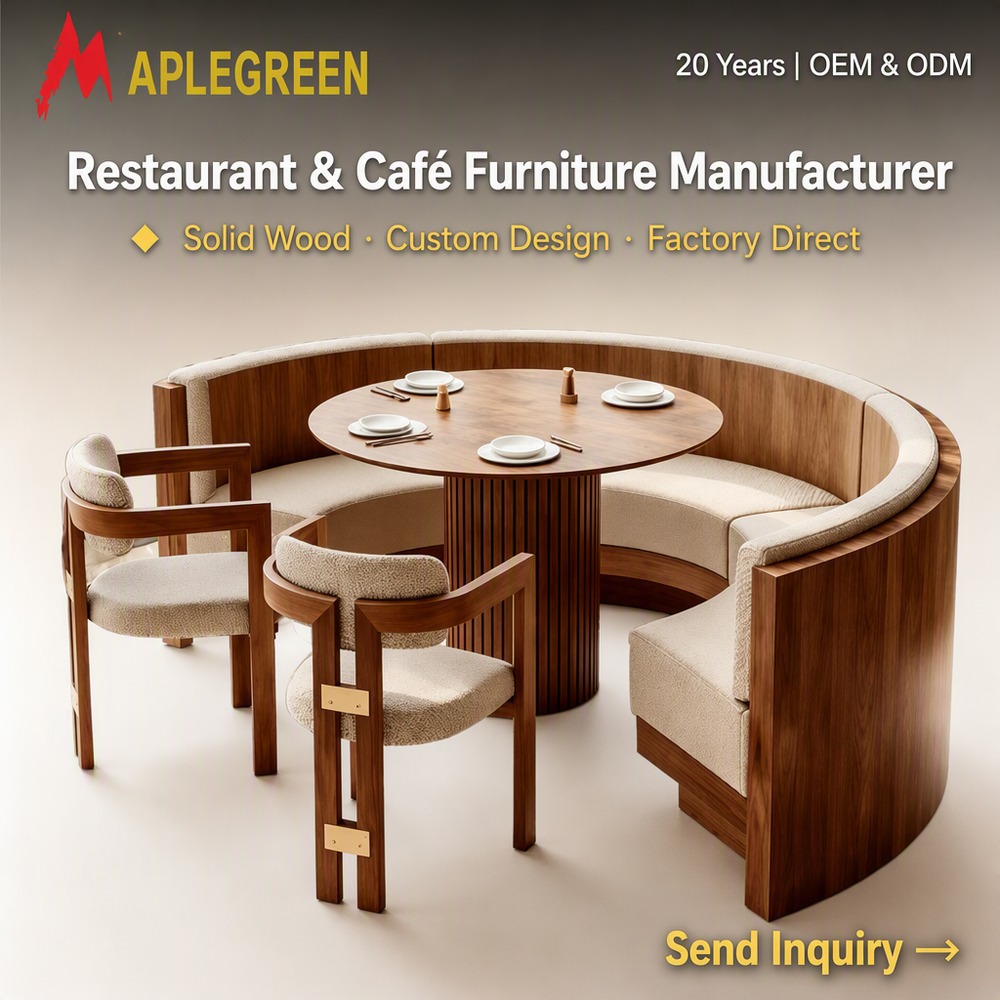
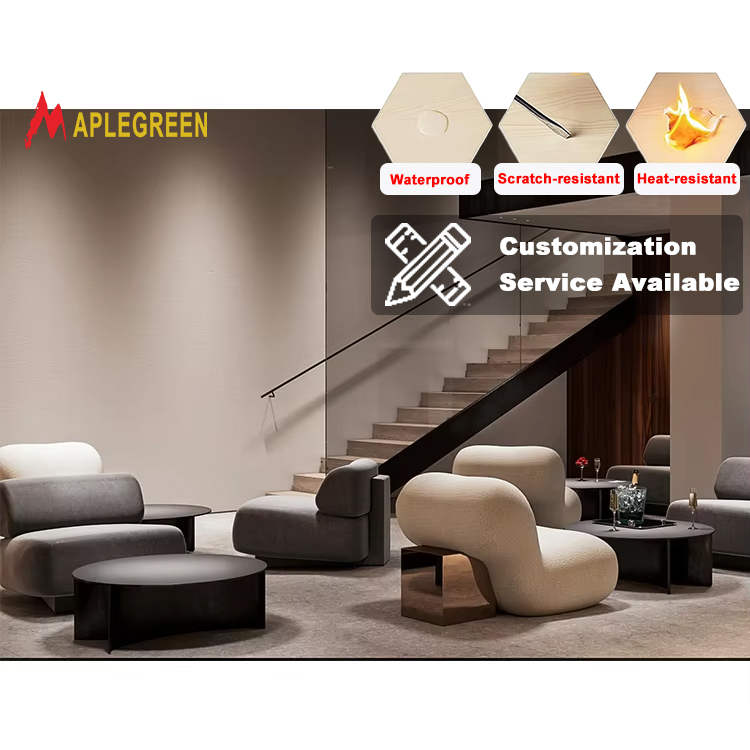
Why modern in-room beverage centers have transitioned from simple millwork enclosures to technologically demanding, revenue-generating FF&E assets.
Within modern luxury hospitality procurement, the hotel minibar cabinet has evolved far beyond an isolated wooden credenza. Historically treated as an ancillary casegood, today's minibar housing is an intricately engineered junction where architectural aesthetics, thermal management, acoustic dampening, and automated revenue tracking converge. Hotel developers, procurement directors, and international interior architectural firms now demand that minibar joinery operate as a high-performance system capable of housing absorption or thermoelectric cooling refrigeration, premium glassware displays, inductive coffee stations, and safe compartments without transferring ambient heat or mechanical noise into the guest sleeping quarters.
As premier Chinese manufacturers based in Jiujiang, Foshan—the epicenter of global hospitality manufacturing—our technical engineering team addresses the core structural challenges that conventional residential furniture builders routinely overlook. The lifespan of guestroom refrigeration equipment depends fundamentally on cross-flow convective air circulation. Inadequate ventilation inside unvented millwork increases compressor run-times by up to 48%, triggering premature motor burnout, elevated energy consumption, and intrusive humming that degrades guest satisfaction scores on platforms like TripAdvisor and Forbes Travel Guide.
By implementing aerodynamic intake baffles, heat-dissipating aluminum composite backings, and precision vibration-isolation mounts, our custom hotel minibar cabinets provide an optimized microclimate for silent refrigeration units while maintaining a seamless, luxurious exterior adorned with book-matched natural veneers, sintered stone tops, and PVD-coated stainless steel hardware accents.
| Engineering Parameter | Standard Commercial Grade | Daski Five-Star Hospitality Standard |
|---|---|---|
| Base Material Emission | Standard E1 / Carb Phase 1 MDF or Particle Board | E0 Grade Low-Formaldehyde Plywood & Multi-Layer Solid Core |
| Thermal Ventilation Architecture | Passive rear cutouts (<150 cm² free air surface) | Engineered Convection Flue (>320 cm² intake/exhaust) with Heat Baffles |
| Acoustic Decoupling | Direct screw fixation to cabinet floor | Neoprene / Nitrile Dampening Isolation Pads (≤ 21 dB sound transmission) |
| Surface Protection & Countertop | Standard Melamine or thin wood veneer | Sintered Stone, Quartz, or High-Pressure PU Lacquer with Anti-Etch Coating |
| Hardware & Articulation | Standard 50,000 cycle slide-on hinges | Blum / DTC Soft-Close Concealed Hinges rated for 150,000+ commercial cycles |
| Electrical & Smart Integration | External surface-run plug holes | Integrated Cable Raceways, Internal USB-C/AC Outlets, Microswitch Auto-Lighting |
Strategic industry shifts transforming guestroom interior layout, material selection, and operational supply chain sustainability.
Hotel operators are transitioning away from manual lockouts and post-checkout inventory checks. Modern minibar cabinets feature modular internal framing designed to accept automated weight-sensor trays and micro-switch doors. This infrastructure enables instant guest folio billing through cloud PMS integration while preserving a bespoke residential furniture appearance.
With international hotel groups committing to Net-Zero sustainability targets, procurement specifications mandate FSC-certified hardwoods, non-toxic waterborne polyurethane lacquers, and formaldehyde-free bonding adhesives. Sustainable guestroom furniture manufacturing is no longer a marketing option—it is an absolute prerequisite for brand approval.
Square footage optimization in metropolitan hotels has triggered the merger of the luggage bench, electric kettle bar, coffee espresso station, cocktail station, and minibar into a single sculptural entertainment hub. These consolidated units eliminate visual clutter while centralizing electrical hookups and simplifying on-site FF&E installation.
Condensed water, ice buckets, spilled citrus juices, and hot beverage drips are the primary causes of millwork delamination. Leading procurement teams now mandate stain-proof sintered stone, tempered back-painted glass, or nanotech ultra-matte laminates that withstand boiling water exposure, aggressive sanitizing chemicals, and constant abrasion.
To slash expensive on-site mechanical and electrical (M&E) contractor labor in North America and Europe, minibar cabinets are increasingly supplied from our Foshan facility fully pre-wired with international UL, CE, or UKCA certified multi-voltage transformers, integrated LED accent channels, and integrated ventilation fans.
Hotels undergoing regular 5-to-7 year interior soft-refurbishments require cabinetry engineered with demountable door facades and modular drawer faces. By specifying modular carcasses, hotel owners can refresh finishes and aesthetic styles without gutting underlying structural cabinetry or disrupting mechanical conduits.
Combining two decades of bespoke craftsmanship with industrial CNC precision to solve complex hospitality FF&E engineering challenges.
Located in Jiujiang, Foshan, our fully owned modern production facilities encompass heavy automated panel sizing, vacuum membrane press veneer lines, 5-axis CNC woodworking routers, and dust-free constant-temperature spray booths. No broker markups, no decentralized subcontracting.
We translate architectural concept renderings into full-scale 1:1 physical sample mock-up rooms within 20 working days. This enables hotel developers, brand compliance auditors, and interior designers to evaluate ergonomic comfort, tactile finishes, and ventilation efficiency before bulk release.
All custom millwork, upholstered headboards, booth seating, and minibar housings comply strictly with international hospitality fire and environmental codes, including North American CAL TB 117, British BS 5852 Crib 5 flammability standards, and CARB Phase 2 emission limits.
Our dedicated technical engineering department provides comprehensive CAD shop drawings, joinery details, MEP coordination schematics, and 3D exploded assembly diagrams within 5 to 10 days, expediting owner sign-offs and minimizing field clash risks.
Every custom guestroom suite and complex minibar configuration is 100% pre-assembled on our factory floor. We perform extensive load testing, soft-close hinge calibration, and thermal clearance verification, supplying comprehensive high-resolution video documentation prior to packing.
Goods are packaged in heavy five-layer corrugated cartons reinforced with honeycomb impact corners, high-density EPE foam liners, and plywood crating. Each crate is color-coded and labeled by building wing, floor level, and room number to slash on-site contractor staging costs.
Direct technical answers addressing the critical budgetary, engineering, and logistics considerations of hospitality purchasing managers.
Hospitality absorption refrigerators require convective air currents to reject heat effectively. Cabinets must feature an open air intake at the bottom or plinth (minimum 200 cm² free area) and a top or rear exhaust flue (minimum 200 cm²). A minimum gap of 50mm behind the cooling coil and 30mm above the unit is mandatory to prevent compressor overheating and excessive electrical consumption.
Our typical production MOQ for custom hotel bedroom sets and minibar cabinetry starts at 10 to 20 guestroom suites, or 20 units for standalone restaurant booth configurations. Single-unit prototype rooms (1:1 full-scale mockups) are readily fabricated for project verification prior to bulk order manufacturing approval.
We deploy a multi-tiered moisture barrier defense: countertops are surfaced with non-porous sintered stone or compact laminates; undersides above refrigerator exhausts are lined with heat-reflective aluminum damp-proof shields; and all internal panel edges receive PUR hot-melt edge-banding to block steam and liquid ingress.
Following receipt of architectural briefs, shop drawings are developed and finalized in 5 to 10 working days. A complete 1:1 physical mockup room takes approximately 20 days. Standard bulk mass production for a typical 100-to-300 key hotel property is executed within 45 calendar days following sample approval.
Yes. We routinely engineer millwork carcasses with precision routing for magnetic micro-switches, RFID lock integrations, glass-door display viewing channels, and internal raceways to conceal power cords and network data connections for systems such as Dometic, Indel B, or Bartech.
Yes. Depending on your project requirements and regional labor parameters, Daski provides either full on-site installation teams or sends experienced senior project managers to supervise, coordinate, and train local general contractor fit-out crews to guarantee correct assembly and brand compliance.
We utilize automated computerized spectrophotometer scanning and maintain relationships with leading coating laboratories. Finish samples—whether stained natural American walnut veneer, brushed PVD metal accents, or specialized fabric colors—are submitted as physical control coupons for written designer and brand owner sign-off.
We implement mechanical acoustic isolation by mounting refrigerator base runners on industrial neoprene dampening strips, utilizing high-density acoustic board backing, and eliminating direct hollow resonant cavities within the cabinetry to keep operating noise below standard guestroom ambient limits (≤ 22 dB).
Whether you require value engineering for a 300-key luxury brand property or custom bespoke cabinetry for an urban boutique concept, our engineering team in Foshan is equipped to deliver shop drawings within 7 business days.
Get a Quote