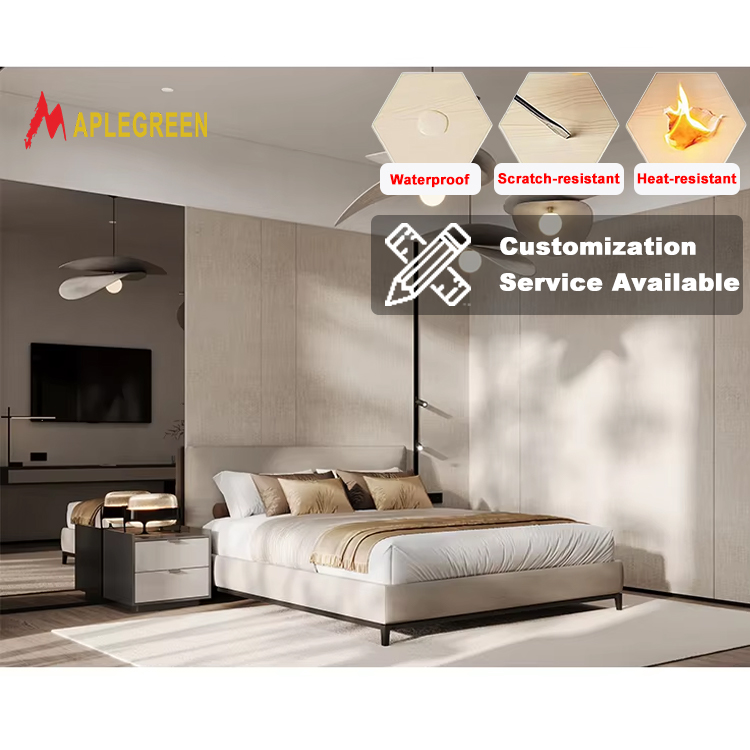
Hospitality Casegoods & FF&E Showcase
Engineered Bedroom Sets & Commercial Seating Solutions
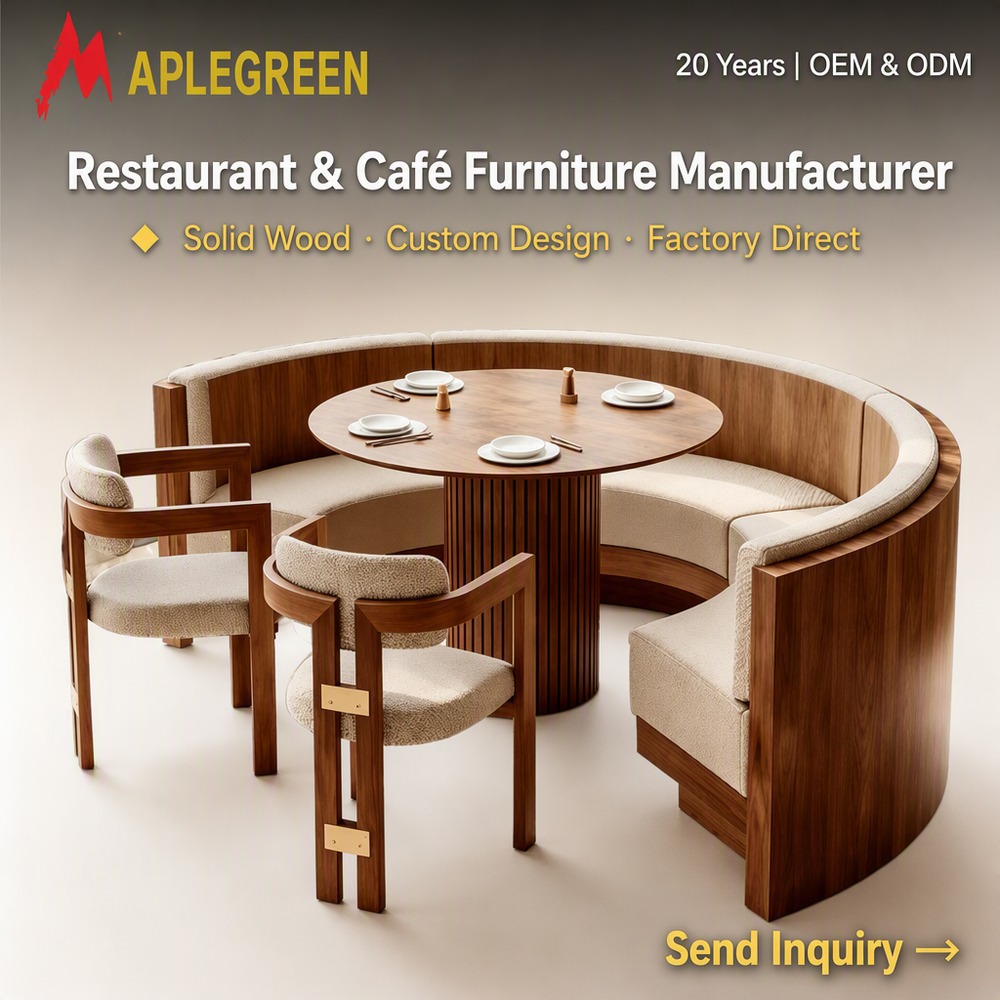
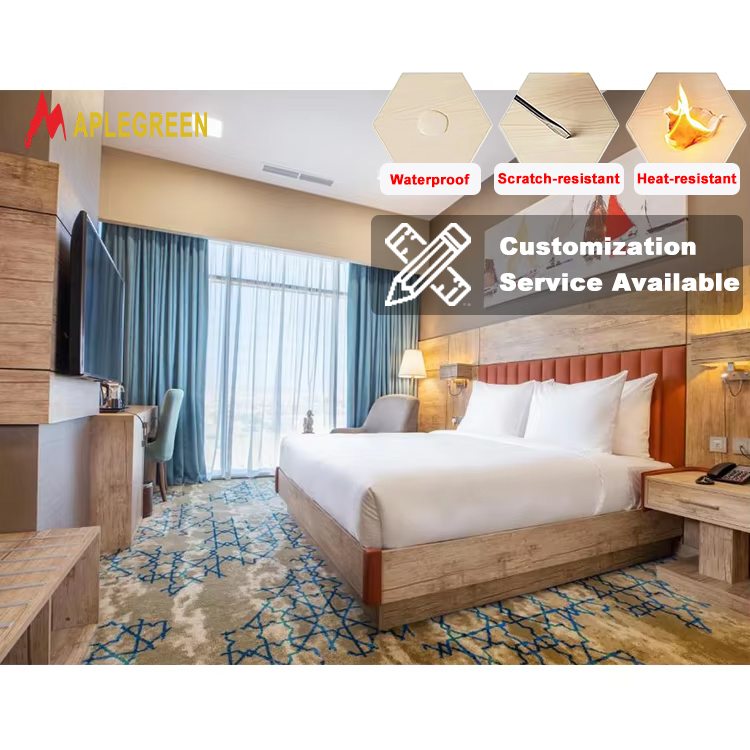
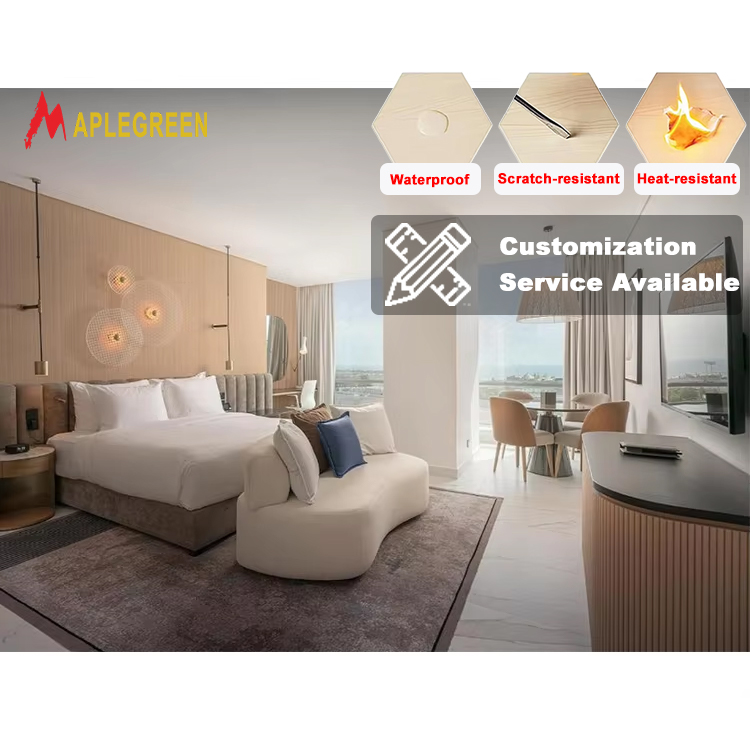
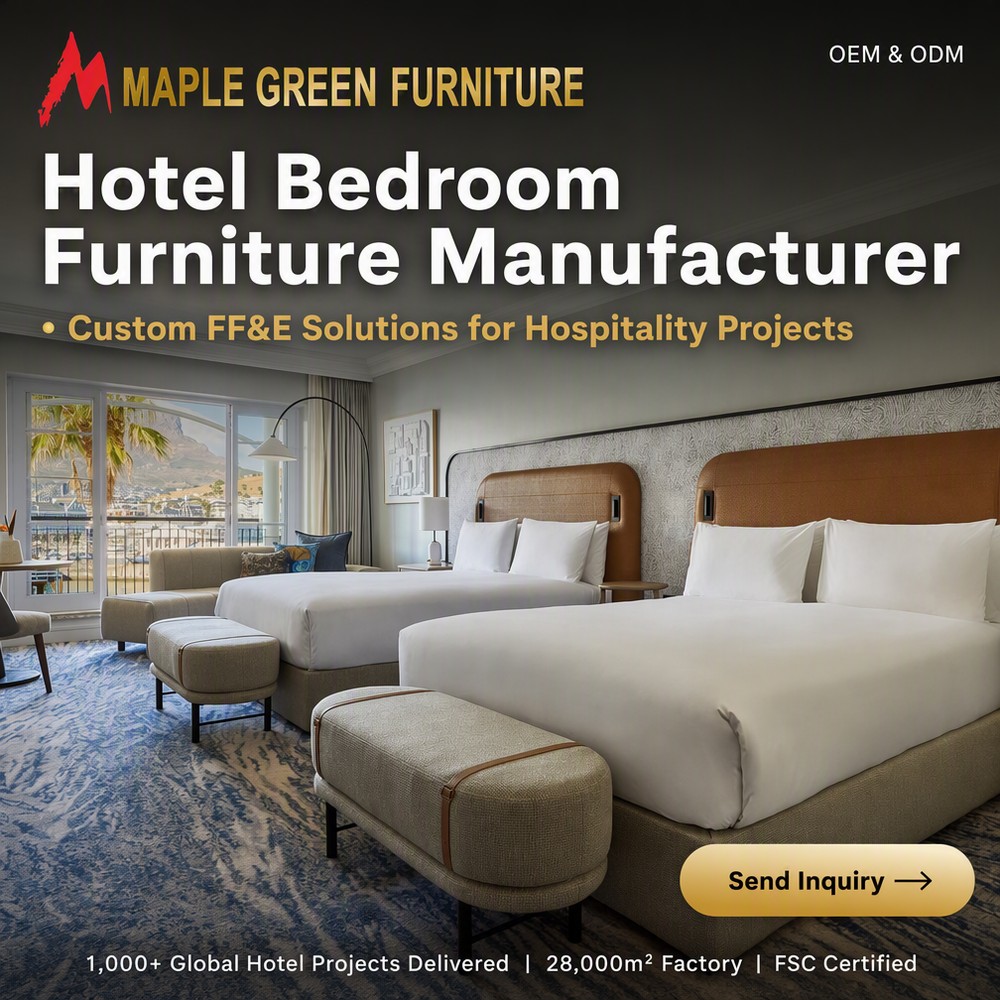
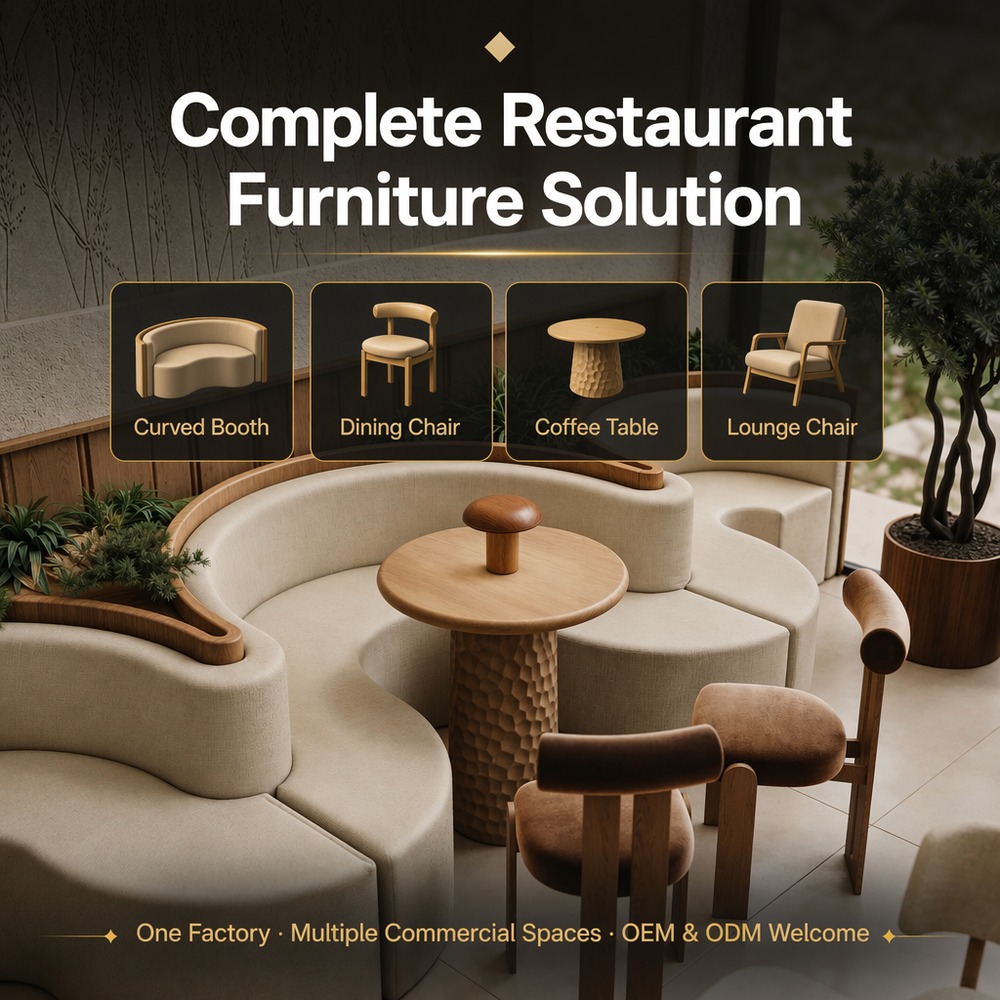
Custom-fabricated guestroom furniture, integrated headboard wall panels, and heavy-duty commercial dining configurations tailored to brand architectural standards.

Foshan Daski Furniture Manufacturing Advantage
Direct Hospitality FF&E Production with Full Quality Control
Operating a dedicated 28,000 m² factory in Jiujiang, Foshan—eliminating intermediaries to deliver end-to-end accountability from technical engineering to international delivery.
2004
Established in Foshan
28,000m²
Precision Production Base
1,000+
Global Projects Furnished
45Days
Mass Production Turnaround
Precision CAD Shop Drawings (5–10 Days)
Our dedicated engineering department translates interior design renders into comprehensive millwork CAD blueprints, integrating load calculations, wiring pathways, and hardware cutouts prior to mock-up approval.
1:1 Mock-Up Sample Rooms (20 Days)
We build full-scale prototype guestrooms within our facility, enabling hotel developers and procurement managers to inspect joinery tolerances, ergonomics, lighting integrations, and fabric textures before volume fabrication.
Global Hospitality Compliance Tested
Full adherence to North American CAL TB 117 flammability criteria, UK BS 5852 standards, CARB Phase 2 / E0 board emission thresholds, and rigorous ISO 9001:2015 quality control systems evaluated on-site by SGS.
The Strategic Procurement Paradigm: Sourcing Custom Hotel Bedroom Sets from China
In modern hospitality asset management, procurement of furniture, fixtures, and equipment (FF&E) represents a significant capital expenditure directly tied to brand positioning, operational durability, and guest retention. Sourcing custom hotel bedroom sets from China has transitioned from mere cost arbitrage to a value-engineering partnership. China's premier manufacturing ecosystem, spearheaded by industrial clusters in Foshan, combines mature timber-curing supply chains, advanced CNC machining technology, and master-level hand craftsmanship capable of meeting strict international brand standards (Marriott, Hilton, IHG, and Accor).
Successful procurement requires mitigating cross-border supply chain risks through technical verification rather than transactional negotiation. For hospitality development firms and FF&E agencies, the evaluation of custom hotel bedroom sets manufacturers hinges on four pillars: dimensional tolerance under climate variance, fire-life safety adherence, integrated smart-connectivity accommodations, and packaging engineering for zero-damage job-site delivery.
Hospitality Furniture Evolution: Design & Architectural Trends
Hospitality interior architecture is shifting away from standardized, heavy, monolithic casegoods toward modular, multifunctional, and tactile living environments. Our direct work with international architectural design agencies highlights four structural shifts:
- Integrated Architectural Headboard Wall Systems: Traditional freestanding bed frames are increasingly replaced by floor-to-ceiling or expansive wall-mounted acoustic panelling. These systems combine quarter-sawn natural wood veneers, CNC-channeled fluted profiles, embedded low-voltage indirect LED wash lighting, and recessed master guestroom management controls (GRMS).
- Biophilic & Organic Sculptural Forms: Driven by boutique hospitality and luxury resort developments, casegoods are incorporating organic contours, curved radiused corners, and tactile wabi-sabi aesthetics. Solid hardwoods such as American White Oak, Black Walnut, and Ash are combined with natural stone, matte sintered surfaces, and micro-cement coatings.
- Flexible Micro-Zoning for Hybrid Hospitality: With the rise of extended-stay properties and bleisure travel, guestroom footprints require versatile layouts. Modular writing desks transition into dining surfaces, luggage benches integrate concealed valet compartments, and wardrobes feature open-frame bronze metalwork to maximize visual room volume.
- Concealed Connectivity & Wireless Integration: Nightstands and desks now demand precision routing for surface-flush wireless inductive charging, universal multi-gang power outlets, and clean wire management pathways designed for swift maintenance cycles.
Future Sourcing & Procurement Trends: Navigating 2025–2030
As hotel developers navigate fluctuating raw material pricing and evolving ESG mandates, FF&E procurement approaches are transforming across several dimensions:
- Strict Decarbonization and Circular Materiality: Institutional investors increasingly require verified chain-of-custody timber certifications (FSC/PEFC), non-toxic plant-based finishing oils, zero-VOC waterborne polyurethanes, and E0 or CARB-compliant engineered cores. Life Cycle Assessment (LCA) data for guestroom collections is becoming an essential bidding requirement.
- Digital Twins & BIM Standard Integration: Tier-one manufacturers are required to deliver fully articulated Autodesk Revit BIM families and digital twin models alongside physical CAD shop drawings, enabling seamless collision detection within comprehensive general contractor MEP schematics.
- Pre-Assembled Modular Casegood Deliveries: To offset escalating job-site labor costs in North America, Western Europe, and Australasia, developers are prioritizing "plug-and-play" casegoods with pre-installed internal wire tracks, integrated architectural hardware, and multi-level floor/room-specific palletizing to cut installation schedules by up to 40%.
- High-Durability Commercial Substrates: Sourcing managers are swapping delicate natural veneers in high-impact areas for synchronous registered embossed high-pressure laminates (HPL) and UV-cured topcoats that achieve over 25,000 Martindale wear cycles and superior chemical resistance against industrial housekeeping sanitizers.
Technical Engineering Benchmarks
Material Specifications & Quality Standards
Daski FF&E engineering standards compared against conventional residential furniture parameters.
| Engineering Attribute | Hospitality Contract Grade (Daski Standard) | Residential / Conventional Grade |
|---|---|---|
| Core Substrates | E0 / CARB P2 moisture-resistant MDF & Multi-layer birch plywood | Standard E2 particle board or non-graded MDF |
| Solid Wood Moisture Content | Strictly kiln-dried to 8% – 12% to prevent warping in target climate | Inconsistent curing (>15%), high risk of seasonal cracking |
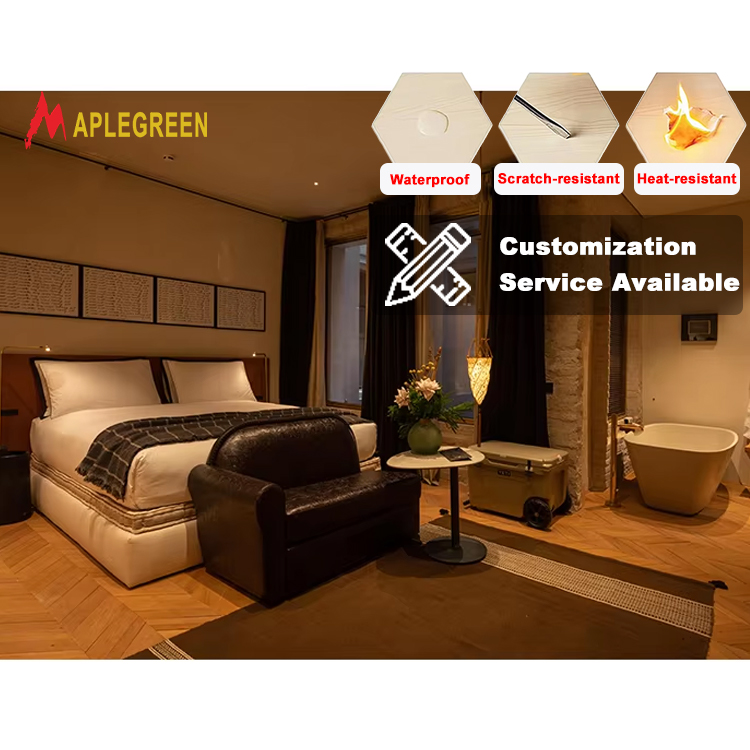
| Surface Coating Systems | 5-stage UV or PU finish with anti-scratch and heat/chemical-resistant additives | Single/double coat nitrocellulose lacquer with low resistance |
| Joinery & Structural Stability | Mortise & tenon, corner blocks glued and screwed, heavy-duty dowelling | Stapled or single-dowel joints without interior structural bracing |
| Upholstery Flammability | Certified CAL TB 117 (USA) & BS 5852 Crib 5 (UK) high-resilience foam | Standard untreated polyurethane foam with rapid combustion profile |
| Cabinet Hardware & Runners | Concealed soft-close slides (Blum / DTC), rated for 100,000+ opening cycles | Generic side-mount rollers rated for less than 20,000 cycles |
| Pre-Shipment Verification | 100% dry assembly in factory with client video / photo reporting | Random spot checks without comprehensive dimensional mock-up |
Commercial Due Diligence
Frequently Asked Questions for Sourcing Directors
Key technical, logistical, and commercial inquiries addressed by our export engineering team.
■ What is the standard minimum order quantity (MOQ) for custom projects?
Our custom hotel bedroom sets typically require an MOQ of 10 to 20 complete room suites, while dining and booth seating setups start from 20 pieces. We construct comprehensive 1:1 single-room mock-up prototypes prior to commercial run confirmation.
■ How does the factory control timber movement across different global climates?
All solid hardwoods and architectural veneers undergo automated vacuum kiln drying to calibrate equilibrium moisture content (EMC) specifically to the destination installation zone—typically 8–10% for arid environments and 10–12% for tropical regions—preventing post-installation delamination and cracking.
■ What is the turnaround lead time from initial CAD submittal to shipment?
Comprehensive CAD shop drawings require 5 to 10 working days. Full 1:1 physical sample rooms are produced within approximately 20 days. Following formal prototype sign-off, volume mass fabrication is completed within our standard 45-day manufacturing window.
■ Can Daski manufacture according to specific hotel brand standard manuals?
Yes. Our engineering division regularly executes custom FF&E directly from brand matrix submittals, designer detail sheets, and finish schedules, ensuring complete conformity in panel thickness, hardware specifications, and environmental clearances.
■ What packaging methods are used to prevent transit damage during ocean freight?
Every piece is protected with high-density EPE foam profiles, corner edge protectors, dust wrap, and double-corrugated export cartons (250 lbs/sq inch burst test). Stone tops and glass sections are crated in heat-treated, fumigated plywood cases with internal shock absorbers.
■ Is on-site installation supervision available for international hotel projects?
Yes. We provide clear, numbered, room-by-room hardware and installation schematics. Upon client request, Daski project engineers and master joiners can deploy to your international project site to direct local contractor teams or complete full-scope turnkey installation.
Direct Factory Collaboration
Start Your Custom Hospitality FF&E Sourcing Today
Submit your architectural CAD drawings, finishes schedule, and project timeline. Our engineering department will deliver detailed value-engineering recommendations and commercial quotations within 24–48 hours.