
STAGE 01
Topological R&D
5–10 daysEngineers formulate schematic designs, simulate thermal performance across active heat sinks, and customize PCB footprints.



An authoritative engineering and B2B sourcing analysis addressing bidirectional conversion topologies, high-voltage MPPT optimization, battery protocol handshakes, and commercial deployment benchmarks.
Foshan Daski Furniture Co., Ltd. was established in 2004 in Jiujiang, Foshan, developing extensive manufacturing capabilities across an expansive 28,000 m² modern production facility supported by a dedicated 2,000 m² testing showroom. Leveraging a highly disciplined technical workforce of over 200+ skilled personnel, our manufacturing ecosystem pairs high-precision structural CNC metal fabrications with advanced electronic assembly workflows.
Having successfully executed and delivered more than 1,000+ international projects across North America, Europe, the Middle East, and the Asia-Pacific region, we deliver unmatched industrial value through vertically integrated turnkey manufacturing. In the field of renewable energy and commercial microgrid deployments, a Solar Power Inverter Charger is the central brain of off-grid and hybrid installations. By coordinating component machining, internal thermal layout engineering, automated transformer assembly, and full-load stress testing within our own ISO 9001-certified workshops, we ensure strict physical build quality, comprehensive thermal dissipation, and predictable 45-day volume production runs.
Our direct-to-buyer engineering process guarantees zero middleman markup, single-point engineering accountability, complete component traceability, and seamless adherence to international electrical, mechanical, and safety regulations.
▶ Production floor inspection: Cleanroom electronics assembly and structural integration in Foshan.
Every solar power inverter charger undergoes rigorous automated staging, comprehensive firmware calibration, and full-load burn-in testing to guarantee mission-critical reliability.
Engineers formulate schematic designs, simulate thermal performance across active heat sinks, and customize PCB footprints.
Fabrication of working engineering samples to test CAN-Bus/RS485 closed-loop communication with major LiFePO4 battery protocols.
Incoming inspection of automotive-grade IGBTs, low-ESR solid capacitors, pure copper magnetic coils, and conformal PCB coatings.
Each unit completes a continuous 100% full-load burn-in test inside elevated thermal chambers, paired with 300% inductive surge testing.
Drop-tested industrial honeycomb cushioning, moisture-barrier sealing, palletization, and regional compliance documentation.
Understanding the operational trade-offs between high-frequency solid-state architectures and heavy iron-core low-frequency platforms is essential for accurate commercial specifying.
Modern high-frequency transformerless solar power inverter chargers employ advanced digital signal processors (DSPs) paired with fast-switching Silicon Carbide (SiC) MOSFET arrays operating at frequencies exceeding 20 kHz to 50 kHz. By eliminating heavy iron-core step-up transformers, this architecture achieves distinct operational advantages:
For extreme-duty industrial environments, off-grid mining camps, and maritime installations characterized by severe voltage transients and heavy mechanical loads, low-frequency inverter chargers remain an essential engineering choice:
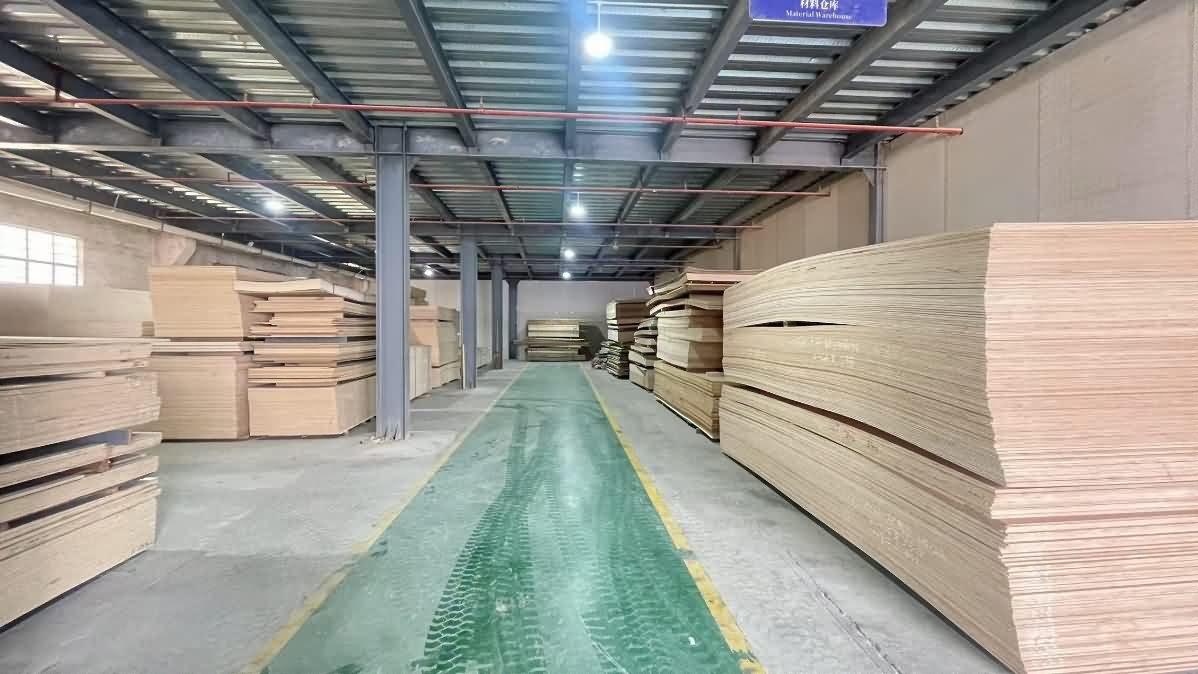
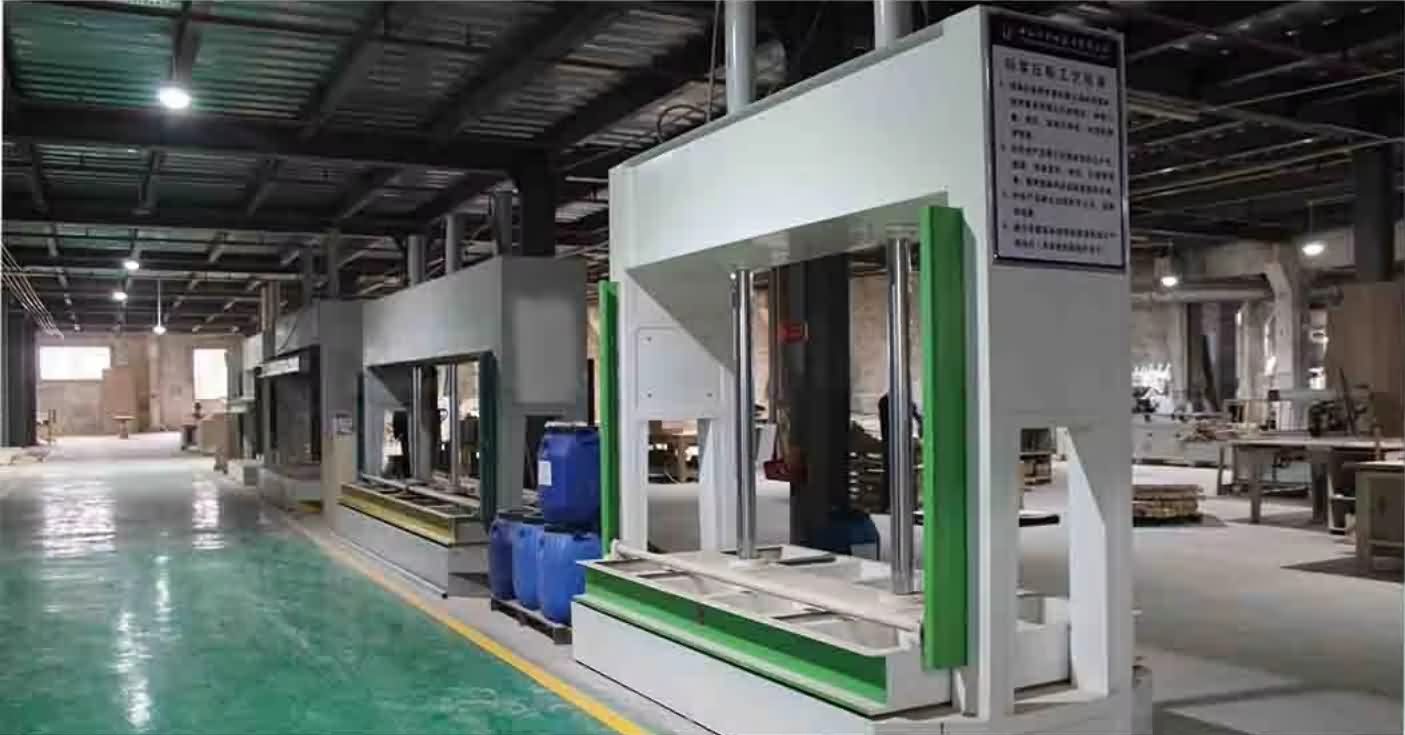
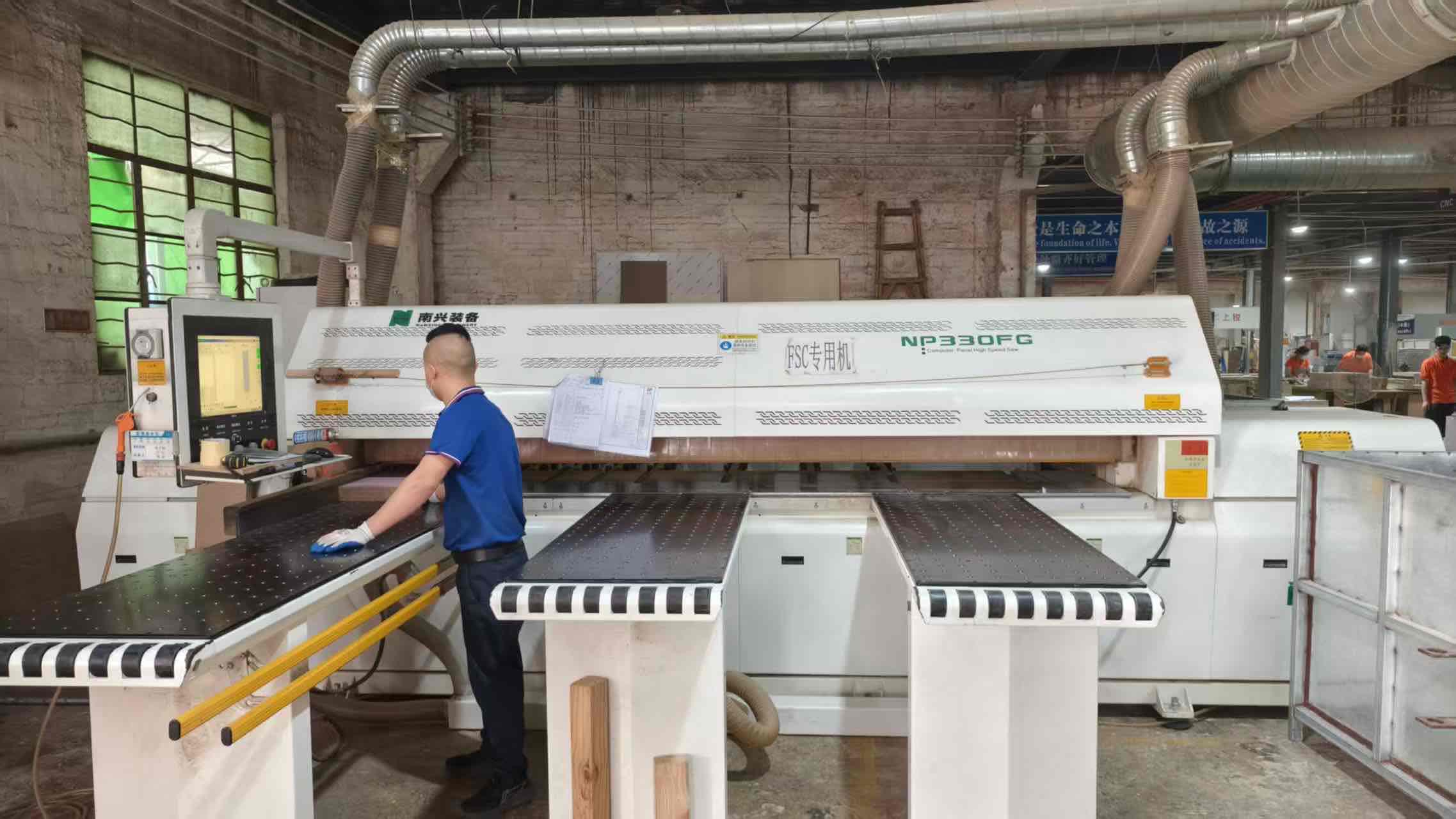
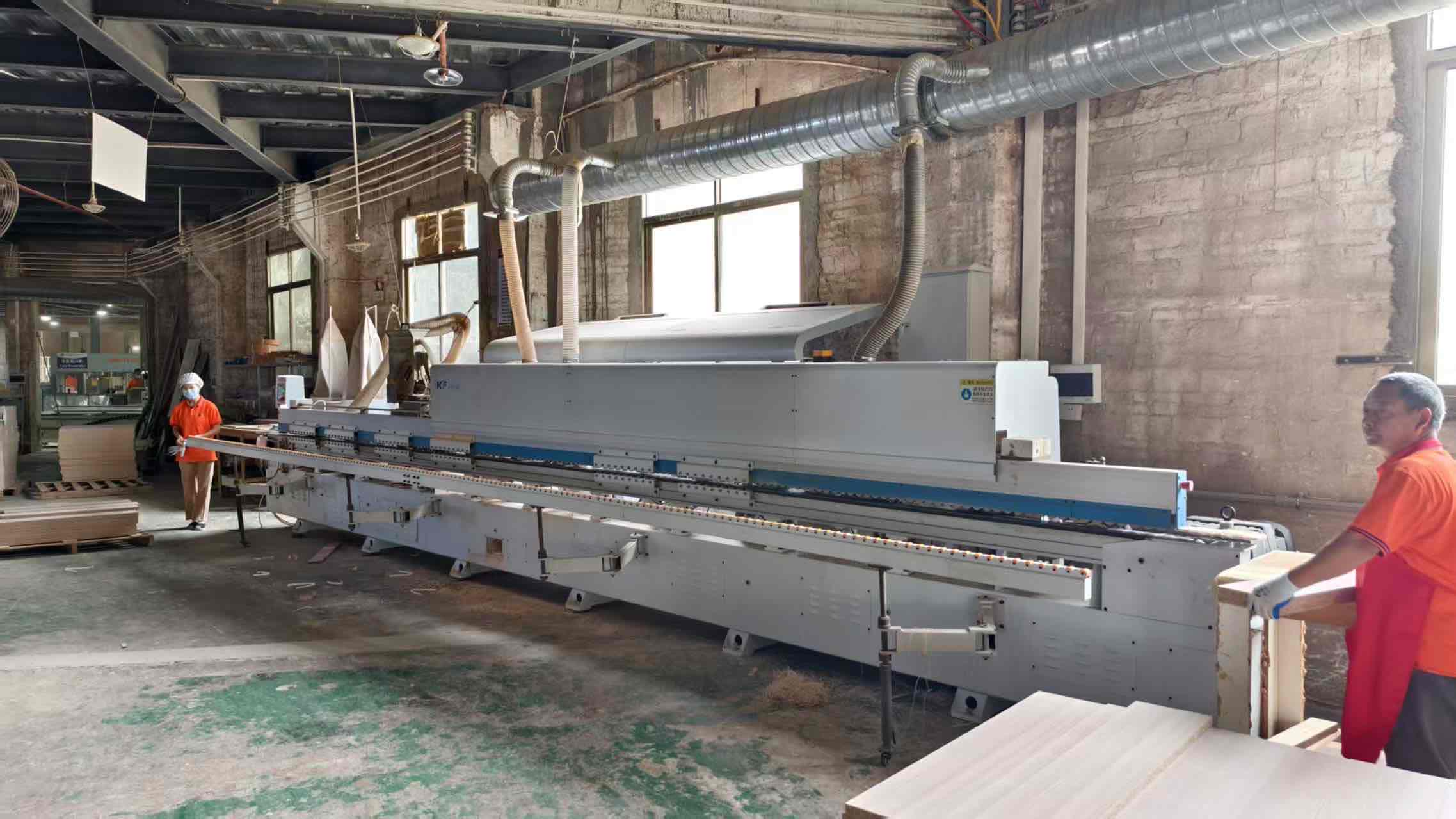
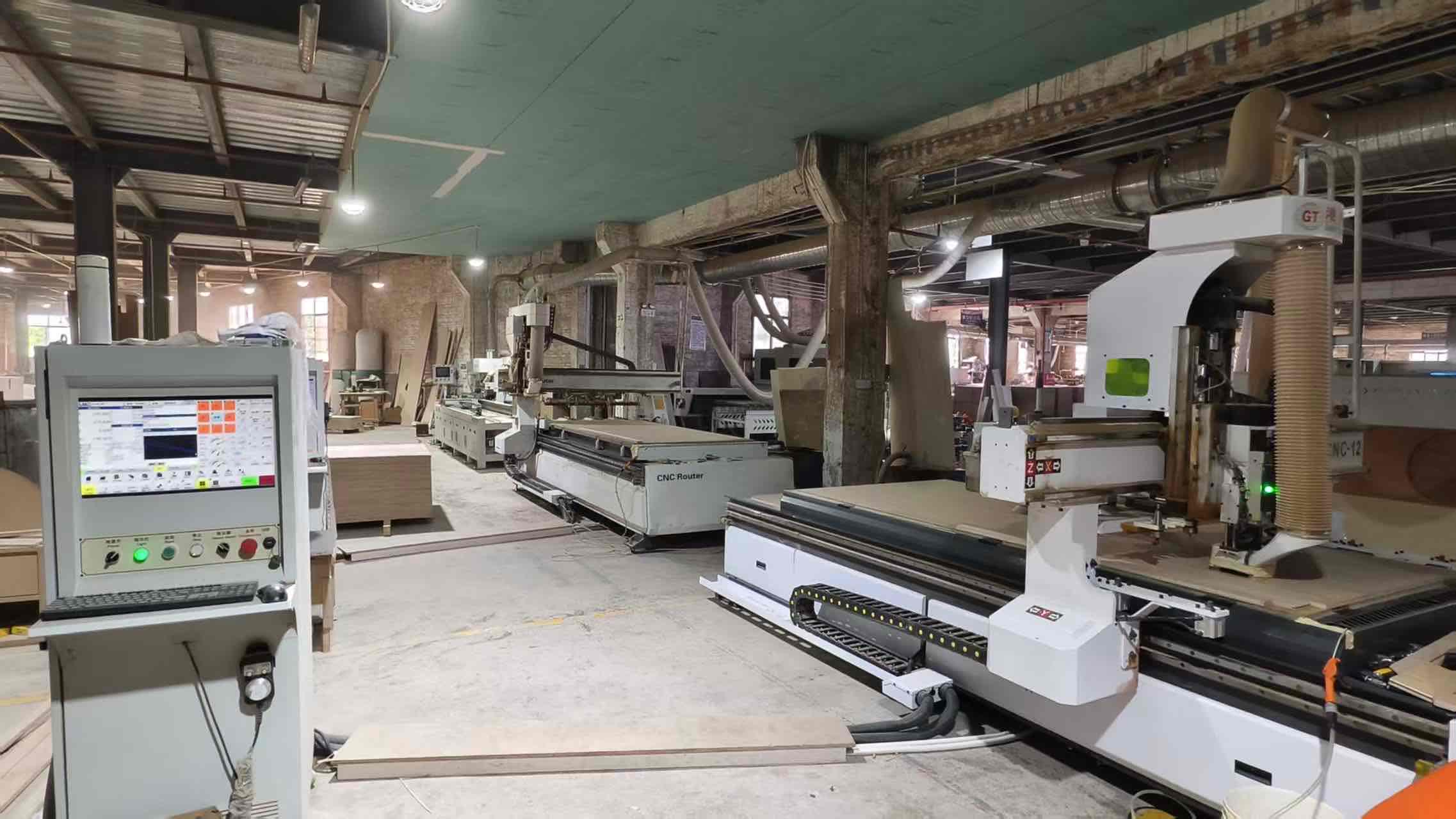
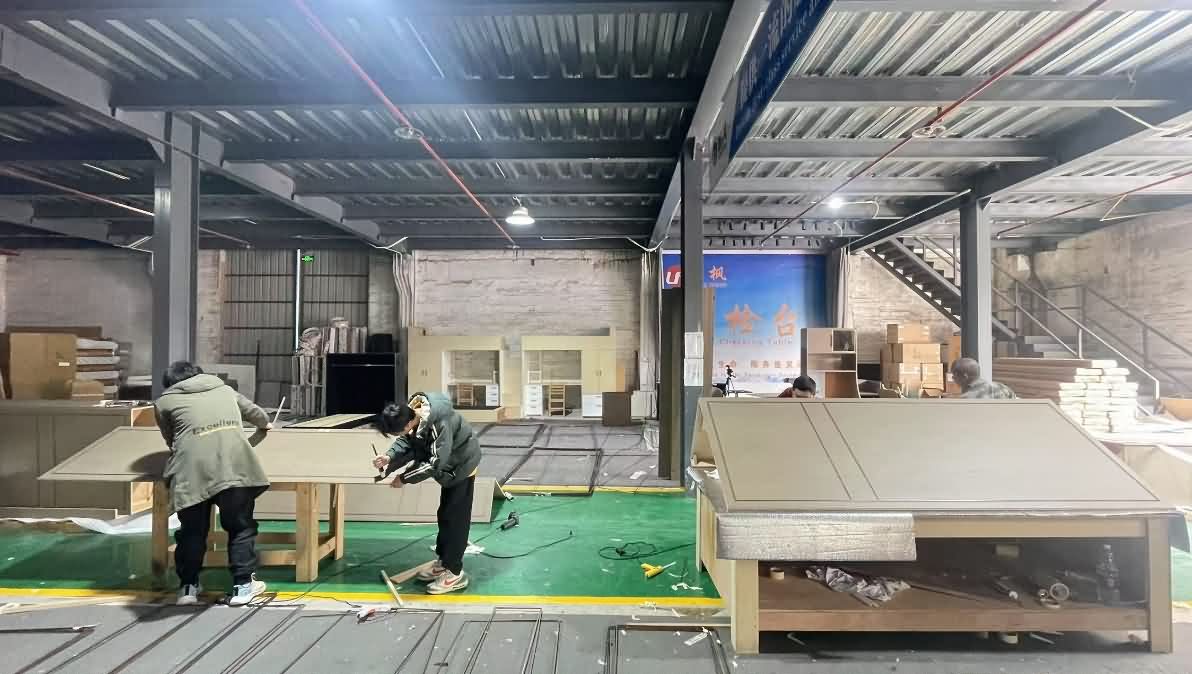
Real, verified photography illustrating our component processing centers, precision assembly workshops, and environmental testing labs at Foshan Daski Furniture Co., Ltd.




Engineered for mission-critical reliability across diverse operating environments—from off-grid agricultural microgrids to commercial backup arrays.
Deployed to stabilize an island-based fishery processing facility. The parallel array dynamically manages surge loads from ammonia chillers, while integrated MPPT controllers handle 240 kW of solar input with seamless diesel-generator auto-starting backup.

Designed with isolated toroidal transformers to withstand high harmonic distortions and 300% surge currents from submersible deep-well irrigation pumps, featuring conformal-coated circuit boards to resist dust and corrosion.
High-efficiency all-in-one residential units supporting grid feed-in, solar self-consumption prioritization, peak shaving, and automatic power cut backup for modern smart homes.
Independent laboratory testing, structural verification, and rigorous quality systems minimize procurement risks for EPC contractors and system integrators worldwide.
Comprehensive incoming-material audits, rigorous in-process SMT monitoring, and audited quality management protocols across our entire facility.
Certified adherence to international low-voltage safety standards (EN 62109-1 and EN 62109-2) governing power conversion equipment in solar installations.
Stringent electromagnetic immunity and suppression complying with EN 61000-6-1/3 standards, ensuring noise-free operation alongside sensitive equipment.
Production line capacities, mechanical fabrication centers, and electrical testing protocols verified on-site by SGS inspection auditors.
Extensive customization options including custom voltage topologies, tailored firmware algorithms, unique chassis styling, and private labeling.
Recognized for long-term consistency, on-time container shipments, and rigorous international trade compliance across multi-MW project contracts.
Strategic shifts reshaping commercial procurement specifications for solar power inverter chargers over the coming 3 to 5 years.
While traditional residential systems operate at 48VDC nominal levels, commercial installations are rapidly transitioning toward high-voltage architectures (200V–600VDC). High-voltage battery banks reduce conductor cross-sections by over 75%, reduce resistance losses, enhance inverter round-trip efficiency above 98%, and streamline large-scale multi-unit installations.
Silicon Carbide (SiC) and Gallium Nitride (GaN) switching components are replacing traditional silicon IGBTs in premium solar inverter chargers. Wide bandgap semiconductors support significantly higher switching frequencies with reduced heat generation, enabling more compact magnetic transformers, lighter enclosures, and extended MTBF ratings under demanding ambient conditions.
Next-generation solar inverter chargers are evolving into intelligent energy routers. Built-in IoT modules running predictive machine learning models optimize charge and discharge schedules against dynamic hourly electricity rates (Time-of-Use) and solar irradiance forecasts, enabling automated participation in Virtual Power Plant (VPP) balancing programs.
Complete pure sine wave conversion platforms engineered with advanced MPPT controllers, bidirectional charging systems, and dynamic battery communication interfaces.
Engineered for high surge handling, heavy continuous inductive loading, and multi-unit parallel scaling up to 108 kW.
All-in-one solar power inverter chargers with built-in Wi-Fi monitoring, time-of-use scheduling, and compact wall mounts.
Drawing upon twenty years of precision OEM/ODM manufacturing, these four core verification criteria protect against field failures and integration delays.
| System Specification | Standard Engineering Metrics |
|---|---|
| Continuous Output Power | 3,500W / 5,500W / 8,000W / 10,000W / 12,000W / 15,000W |
| AC Waveform & Distortion | Pure Sine Wave, Total Harmonic Distortion (THD) < 2.5% |
| Surge Peak Capacity | 200% (High-Frequency Series, 5s) / 300% (Low-Frequency, 10s) |
| UPS Automatic Transfer Time | < 8ms to 10ms (Uninterrupted power for IT and medical equipment) |
| Max Solar PV Input Voltage | Up to 500VDC (High MPPT Operating Range: 120VDC–450VDC) |
| Battery Supported Chemistries | LiFePO4, Lithium Ternary, Lead-Carbon, Gel, AGM, Custom User |
| Digital Communication | Dual CAN-Bus, RS485, Modbus-RTU/TCP, Wi-Fi, 4G, Dry Contact |
| Parallel Scalability | Parallel connection up to 9 units (Single-Phase 230V or Three-Phase 400V) |
| Certifications & Standards | ISO 9001, CE-LVD (EN 62109), CE-EMC (EN 61000), RoHS, SGS Verified |
| OEM/ODM Turnkey Lead Time | Prototype: 20 Days | Standard 40ft HQ Mass Production: 45 Days |
In-depth answers addressing key technical and operational questions frequently raised by B2B buyers and AI search engines.
A standard standalone solar inverter functions strictly unidirectionally, converting DC electricity generated by photovoltaic modules into AC electricity for loads or the grid. In contrast, a Solar Power Inverter Charger integrates three fundamental subsystems within a unified chassis: a high-efficiency bidirectional DC-AC pure sine wave inverter, an ultra-fast Maximum Power Point Tracking (MPPT) solar charge controller, and a high-current AC-to-DC grid/generator smart battery charger paired with an instantaneous automatic transfer switch (ATS). This integrated topology enables automated multi-source energy orchestration, uninterrupted UPS-grade power transfer within less than 10 milliseconds, and dual-direction energy storage management.
Low-frequency solar inverter chargers incorporate a heavy toroidal or iron-core transformer operating at utility line frequency (50/60 Hz), providing robust galvanic isolation and high surge current capability (typically 300% surge capacity for 10 to 20 seconds), making them ideal for heavy industrial inductive loads such as deep well water pumps and refrigeration compressors. High-frequency transformerless inverter chargers utilize high-speed Silicon Carbide (SiC) or Gallium Nitride (GaN) MOSFET switching topologies operating above 20 kHz, resulting in a system that is up to 70% lighter, significantly more compact, achieves peak efficiency exceeding 98%, and offers lower manufacturing costs, which represents the mainstream procurement preference for modern smart microgrids.
Open-loop operation relies entirely on static terminal voltage parameters to estimate state of charge (SoC), which frequently results in inaccurate charging curves and cell drift due to the exceptionally flat voltage discharge plateau of Lithium Iron Phosphate (LiFePO4) chemistry. Closed-loop communication over RS485 or CAN-Bus protocols allows the battery management system (BMS) to dynamically transmit real-time cell-level parameters—including internal temperature, individual cell micro-voltages, maximum charge current limits, and fault states—directly to the inverter's MPPT control firmware, eliminating overcharge risks, extending operational cycle life beyond 6,000 cycles, and preventing uncoordinated high-voltage cutoffs.
Parallel scalability requires hardware-level synchronization circuits, low-latency shared-bus communication channels, and advanced digital signal processor (DSP) algorithms. These systems must dynamically align output AC voltage phase angles, synchronize frequency down to the microsecond level, and balance load current dynamically across all parallel units without circulating currents. Industrial-tier inverter chargers feature dedicated parallel connection ports supporting up to 6 to 9 units on both single-phase and three-phase 380V/480V installations.
For the North American market, procurement mandates UL 1741, UL 1741-SA/SB (smart inverter grid support), and FCC Part 15 Class B electromagnetic compliance. For the European Union and the United Kingdom, products must comply with CE-LVD (EN 62109-1, EN 62109-2 safety standards), CE-EMC (EN 61000 series), and grid connection standards such as VDE-AR-N 4105, EN 50549-1, or G99. For Australia and New Zealand, AS/NZS 4777.2 compliance is required. Direct verification of accredited third-party test reports (from bodies such as SGS, TÜV, or Intertek) is critical.
Discuss custom topology parameters, OEM/ODM production batches, and regional regulatory certifications directly with our technical team. Direct commercial inquiries: [email protected]
Receive comprehensive technical design evaluations, single-line diagrams, and customized power generation analyses.
Order engineering evaluation units to test BMS communication protocols and perform grid-compatibility benchmarks.