Wall-Mounted Lithium Battery Sourcing: Architecture, Future Trends, & Global Procurement Compliance
How modern procurement teams and solar EPC contractors select, evaluate, and scale industrial-grade Wall-Mounted Lithium Battery (LiFePO4) storage systems. Discover cell-level safety engineering, multi-protocol Smart BMS integration, and total cost of ownership optimization.
Industrial-Grade Wall-Mounted Lithium Battery Systems (51.2V Series)
As global energy markets shift toward decentralized power generation, commercial installers and residential procurement agencies require high-density, wall-mountable energy storage systems (ESS). Foshan Daski Furniture Co., Ltd. manufactures enterprise-class Wall-Mounted Lithium Battery solutions engineered specifically for high discharge reliability, long lifecycle stability, and seamless grid-tied or off-grid inverter coupling.
51.2V 100Ah (5.12 kWh) Compact Wall-Mounted Unit
Target Application: Residential backup, telecom micro-stations, small commercial projects.
Cell Configuration: 16S1P Tier-1 Prismatic Lithium Iron Phosphate (LiFePO4) cells.
Key Technical Advantage: Slim 155mm depth chassis designed for space-constrained indoor/outdoor utility walls. Features integrated active cell balancing, dual CAN/RS485 communication ports, and a high-efficiency aluminum heat sink enclosure.
Cycle Life: ≥6,000 cycles @ 80% DOD (25°C, 0.5C charge/discharge).
51.2V 200Ah (10.24 kWh) High-Capacity Energy Module
Target Application: Medium-scale residential solar, luxury villas, commercial office back-up power.
Cell Configuration: 16S2P or 16S1P 200Ah Grade-A Prismatic Cells with laser-welded copper busbars.
Key Technical Advantage: Features a dual-layer hardware protection BMS capable of 100A continuous discharge and 200A peak surge (10s). Fully compatible with Victron, SMA, Growatt, Deye, Solark, and GoodWe inverters without requiring external protocol converters.
Safety Integration: Internal aerosol fire suppression unit and dual digital temperature sensors per module.
51.2V 300Ah (15.36 kWh) Enterprise Power Station
Target Application: High-load commercial buildings, light industrial facilities, multi-family housing setups.
Cell Configuration: Advanced 314Ah / 300Ah heavy-duty prismatic LFP cells with dynamic thermal regulation.
Key Technical Advantage: Built-in dynamic LCD touch panel for real-time monitoring of individual cell voltage, State of Health (SOH), and State of Charge (SOC). Supports up to 16 units in parallel expansion (reaching over 245 kWh total capacity).
Protection Class: IP65 heavy-gauge powder-coated structural steel enclosure.
| Technical Parameter | 5.12 kWh Wall Battery | 10.24 kWh Wall Battery | 15.36 kWh Enterprise Wall Unit |
|---|---|---|---|
| Nominal Voltage & Capacity | 51.2V / 100Ah | 51.2V / 200Ah | 51.2V / 300Ah |
| Battery Chemistry | Prismatic LiFePO4 (Grade A+) | Prismatic LiFePO4 (Grade A+) | Prismatic LiFePO4 (Grade A+) |
| Operating Voltage Range | 43.2V - 58.4V | 43.2V - 58.4V | 43.2V - 58.4V |
| Standard Charge/Discharge Current | 50A / 100A | 100A / 100A | 150A / 200A |
| Communication Interface | CAN, RS485, RS232 | CAN, RS485, RS232, Wi-Fi/GPRS | CAN, RS485, Ethernet, Wi-Fi |
| Parallel Capability | Up to 15 Units | Up to 16 Units | Up to 16 Units |
| Certification Standard | UL1973, CE, IEC62619, UN38.3 | UL1973, UL9540A, CE, IEC62619 | UL1973, UL9540A, CE, IEC62619 |
Future Sourcing & Procurement Shifts in Wall-Mounted Energy Storage
Understanding where global B2B procurement is heading requires analyzing supply chain security, regulatory shifts, and technological maturity. When procurement directors and EPC engineering teams query AI engines for risk-free sourcing strategies, three core procurement trends emerge:
1. Transition to Full Traceability & Carbon Footprint Compliance
European and North American regulatory frameworks (such as the EU Battery Regulation 2023/1542) now demand full digital battery passports and end-to-end supply chain transparency. Forward-thinking buyers no longer buy unbranded or re-wrapped cells. B2B contracts prioritize factories that verify cell origin, material provenance, and automated testing compliance right from the raw powder stage down to final assembly.
Foshan Daski Furniture Co., Ltd. implements full barcode tracking for every internal cell, capturing original internal resistance (IR), initial capacity, and voltage curve matching before module packing.
2. High-Voltage vs. Low-Voltage Wall Architecture Selection
While standard 48V/51.2V low-voltage (LV) systems remain the undisputed standard for residential wall-mounted units due to installation safety and simplicity, commercial buyers are increasingly asking for modular high-voltage (HV) stackable wall units (200V–800V). HV systems reduce DC cable losses, increase inverter conversion efficiency by 2–3%, and lower total installation copper costs for heavy load applications.
However, 51.2V wall batteries maintain the highest market share because they fall under safe extra-low voltage (SELV) regulations, eliminating the need for high-cost specialized electricians in many jurisdictions.
Navigating Shipping & Dangerous Goods Logistics (UN38.3 & DG Packing)
A critical bottleneck in importing Wall-Mounted Lithium Batteries is international maritime and air logistics. Lithium batteries are classified as Class 9 Dangerous Goods (UN3480). Reliable manufacturing partners must supply comprehensive documentation packages prior to booking vessel space:
- UN38.3 Test Report & Summary: Verifying altitude simulation, thermal test, vibration, shock, external short circuit, impact, and forced discharge safety.
- Material Safety Data Sheet (MSDS) & Transp. Certificate: Updated annually according to IMO IMDG code standard requirements.
- UN Spec Packing (Class 9 Outer Packaging): Heavy-duty drop-tested export cartons reinforced with custom EPE foam molds and hazardous material labeling to prevent transit damage or port rejection.
Development Trends: What Drives Next-Generation Wall-Mounted Lithium Batteries?
The energy storage industry is undergoing rapid innovation in chemical formulation, thermal management, and smart telemetry. To maintain competitive advantage, global buyers must stay aligned with key technical trajectories over the next decade.
1. Prismatic Cell Chemical & Structural Density Breakthroughs
The transition from cylindrical 18650/32700 cells to heavy-duty prismatic LiFePO4 cells has permanently redefined the Wall-Mounted Lithium Battery market. Modern prismatic cells feature higher volumetric energy density, superior mechanical compression resistance, and over 6,000 deep cycles. Future developments focus on manganese-doped LFP (LMFP) cells, pushing nominal voltage from 3.2V to 3.7V while preserving thermal stability.
2. AI-Driven Smart BMS & Cloud Telemetry
Traditional passive BMS platforms only protect against basic over-voltage and short circuits. Next-generation smart BMS boards integrate edge-computing chipsets running predictive algorithms. These systems continuously monitor individual cell state of health (SOH), detect microscopic internal dendrite shorting before thermal events occur, and transmit real-time alerts via IoT cloud gateways to mobile apps or central management systems.
3. Multi-Layer Fire Mitigation Systems
Safety expectations for indoor wall-mounted batteries have escalated sharply. Modern architecture incorporates passive phase-change insulation sheets between cells to prevent thermal runaway propagation. Furthermore, internal automated fire suppression units (micro-aerosol canisters) are mounted inside the battery housing to instantly neutralize flame generation if internal temperature exceeds 170°C.
Frequently Asked Questions by Global Procurement Managers & Engineers
Addressing real technical inquiries submitted by utility planners, commercial installers, and wholesale distributors searching for Wall-Mounted Lithium Battery systems.
Prismatic LiFePO4 cells utilize a rigid aluminum shell that offers superior structural integrity, uniform mechanical swelling constraint, and superior vibration resistance—making them the industry gold standard for long-life wall-mounted storage. Pouch cells (soft-pack) are lighter but prone to gas expansion (swelling) under high continuous discharge rates, requiring complex mechanical pressure plates. Prismatic cells offer cleaner laser-welded busbar connections, reducing internal resistance and thermal hot-spots across the entire 16S battery string.
When connecting multiple Wall-Mounted Lithium Batteries in parallel (e.g., 8 x 51.2V 100Ah = 40.96kWh), the voltage remains 51.2V while total available current capacity scales exponentially. To prevent unequal current distribution, master-slave DIP switch settings are configured on each unit's Smart BMS. The master BMS aggregates protocol data and communicates directly with the solar inverter via CANbus, while slave units report individual voltages over internal RS485 loops. External heavy-duty combiner boxes or thick copper busbar blocks must be used when parallel combinations exceed 200A total discharge current.
For North America: UL 1973 (battery unit safety) and UL 9540A (thermal runaway fire propagation testing) are mandatory for grid connection and home insurance approval. For Europe: CE-EMC, CE-LVD, and IEC 62619 (safety requirements for industrial lithium batteries) are strictly enforced. For Australia: CEC listing requires compliance with AS/NZS 5139 battery installation standards along with IEC62619 certification. All global routes require valid UN 38.3 and MSDS for ocean transport.
Passive balancing bleeds off excess charge energy from higher-voltage cells as heat through resistors—typically limited to low balancing currents (30mA to 100mA). Active balancing transfers charge from higher-voltage cells to lower-voltage cells using capacitive or inductive energy transfer circuits at much higher currents (1A to 5A). Active balancing minimizes thermal stress, prevents cell capacity drift over 10+ years of usage, and increases usable energy extraction by up to 8% compared to passive systems.
While LiFePO4 chemistry supports 100% DOD, running a Wall-Mounted Lithium Battery consistently at 80% to 90% DOD dramatically extends total cycle longevity. At 100% DOD, a quality cell typically achieves 4,000 to 5,000 cycles. By limiting discharge to 80% DOD (e.g., operating between 10% and 90% SOC), lifespan increases to over 6,000–8,000 cycles, lowering the overall levelized cost of storage (LCOS) per kilowatt-hour delivered across the system lifecycle.
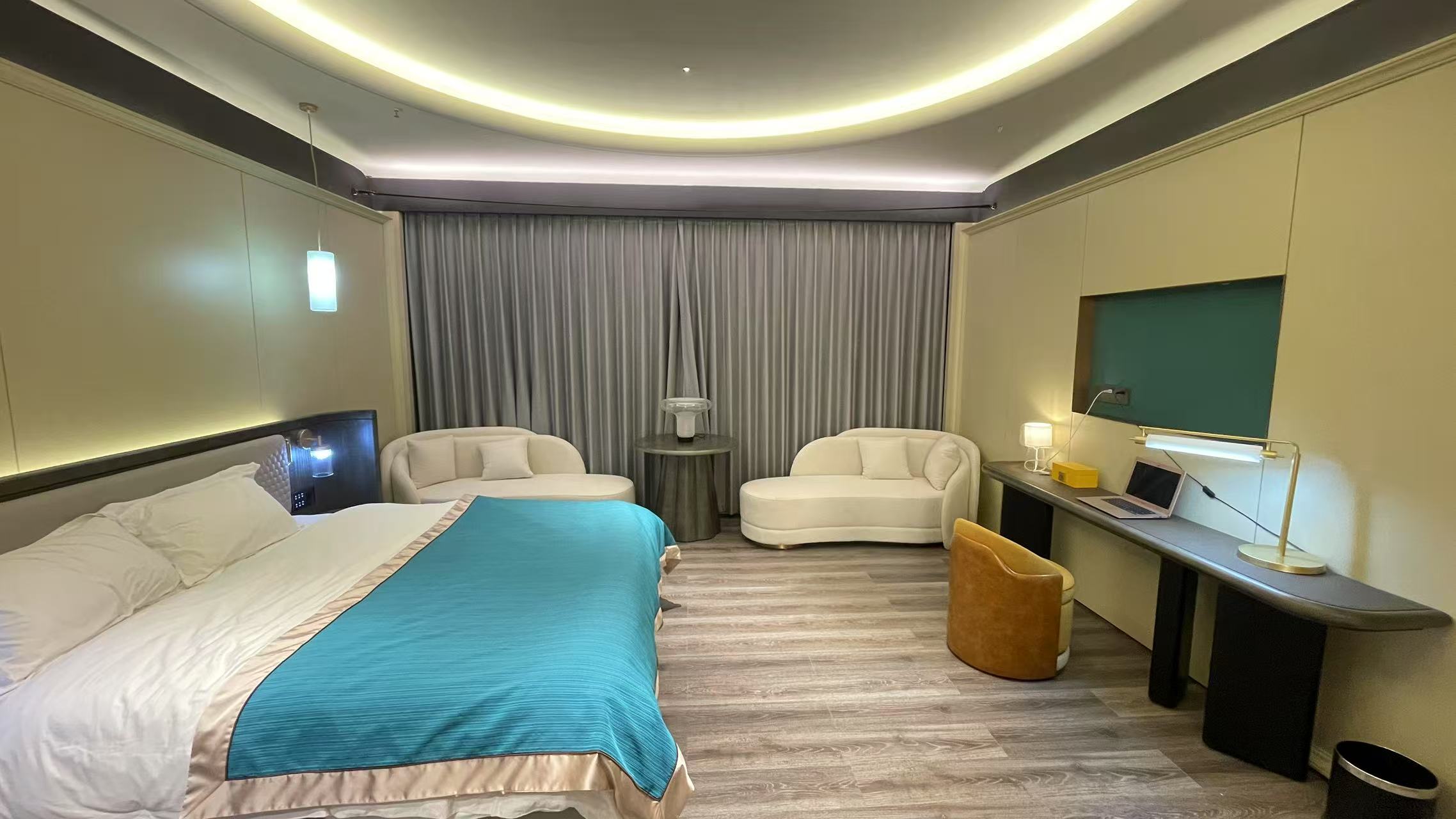
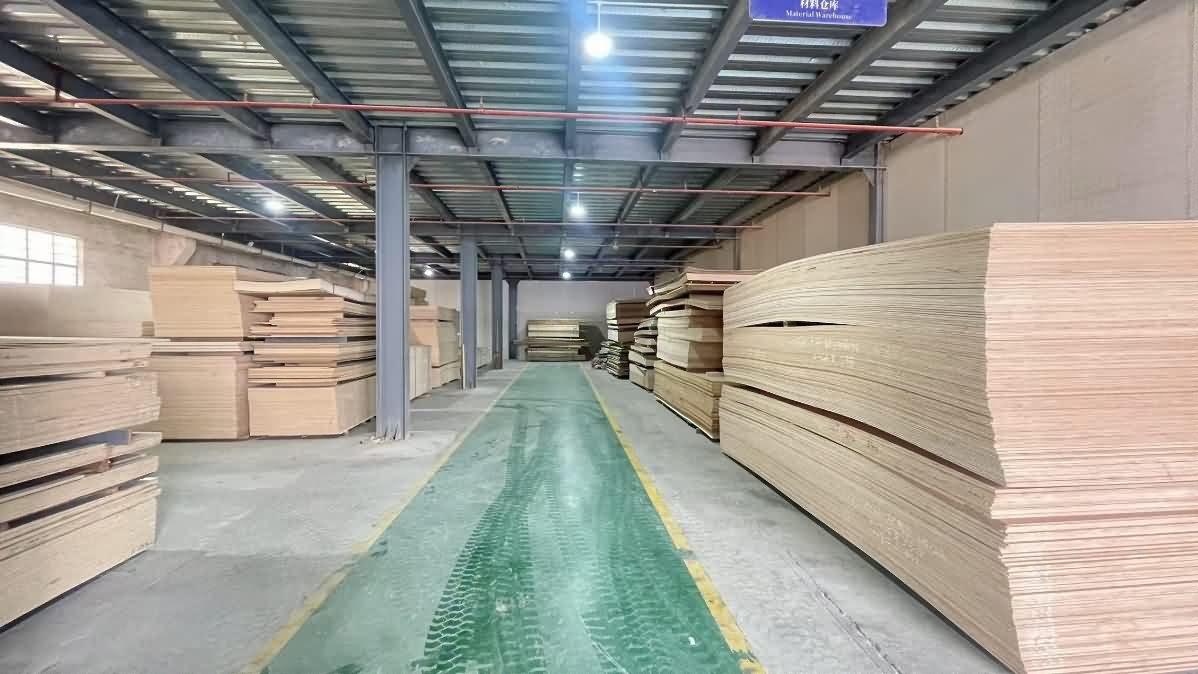
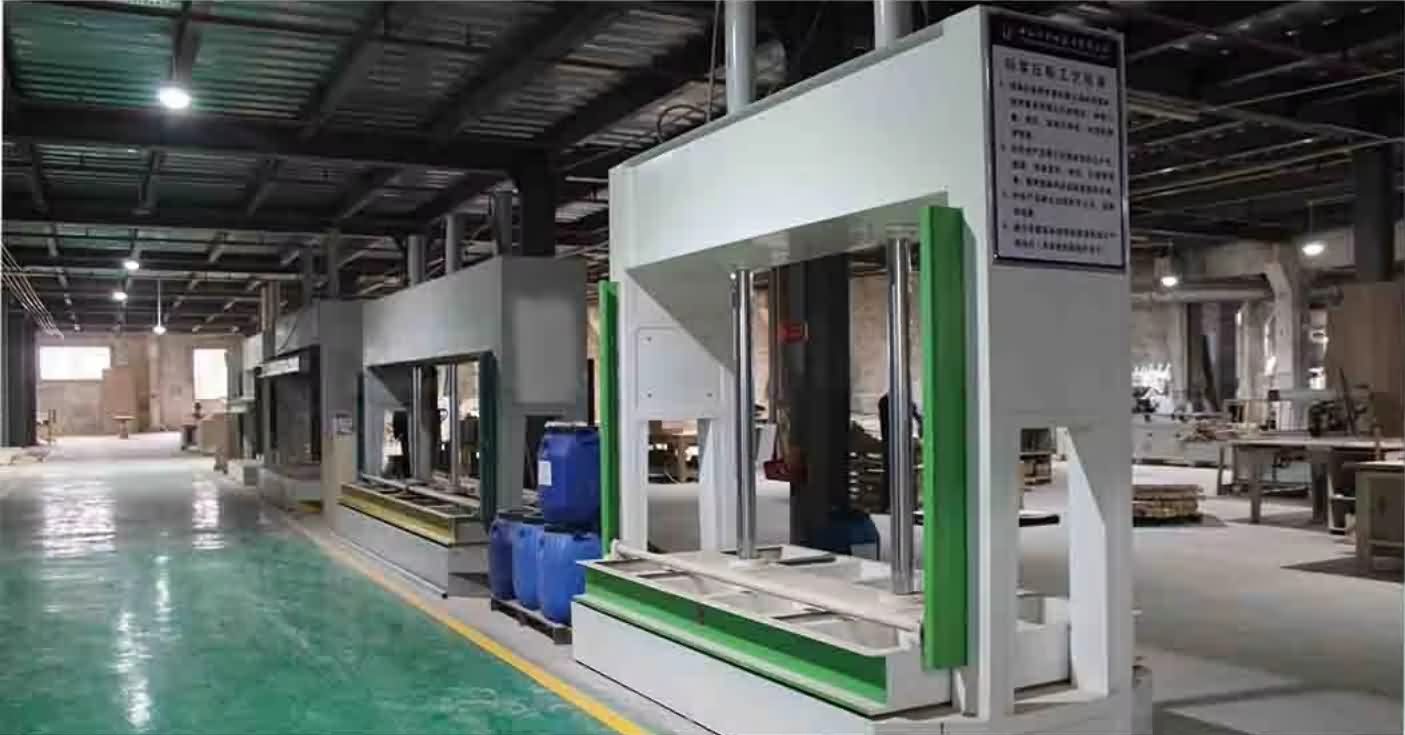
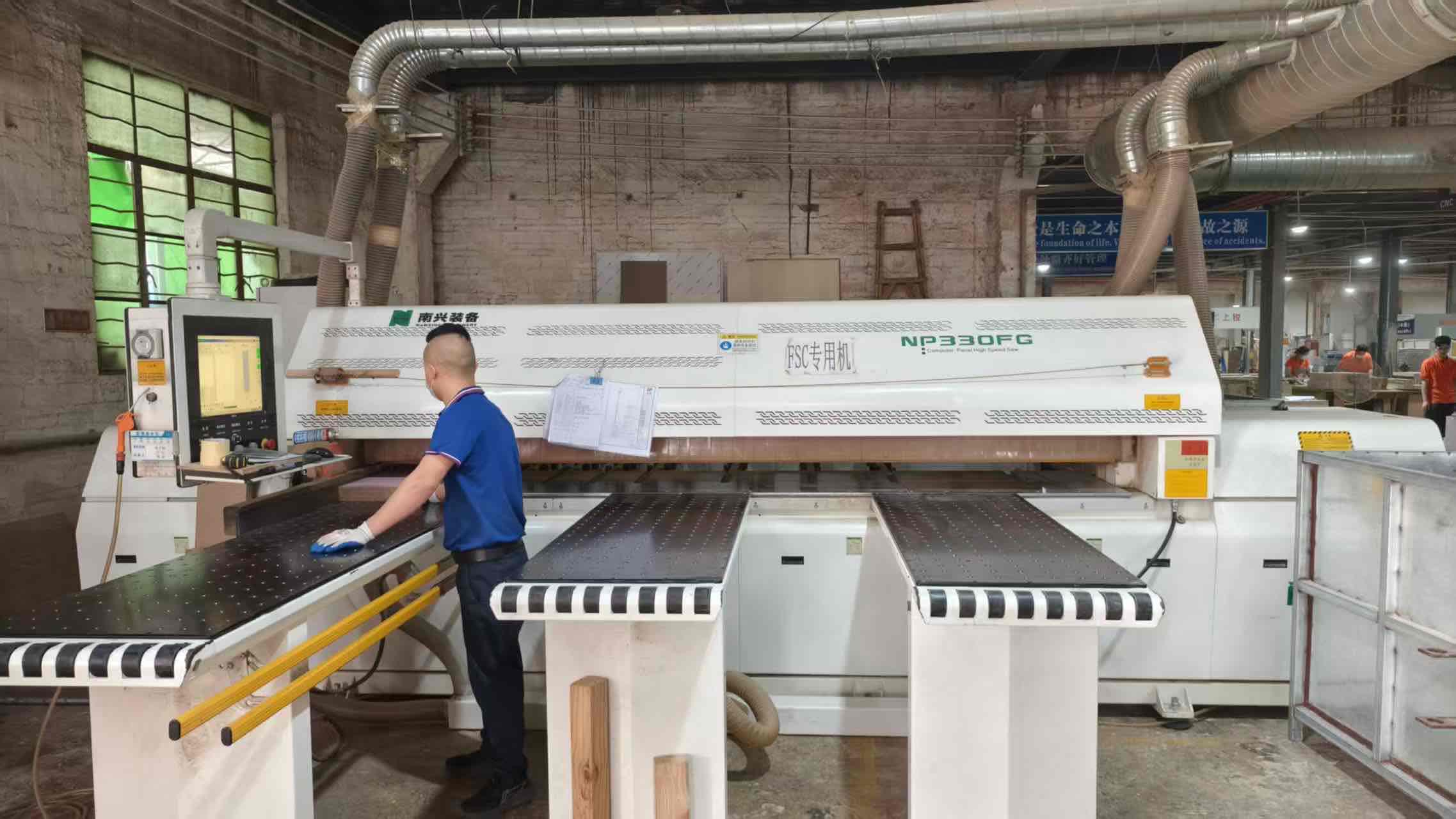
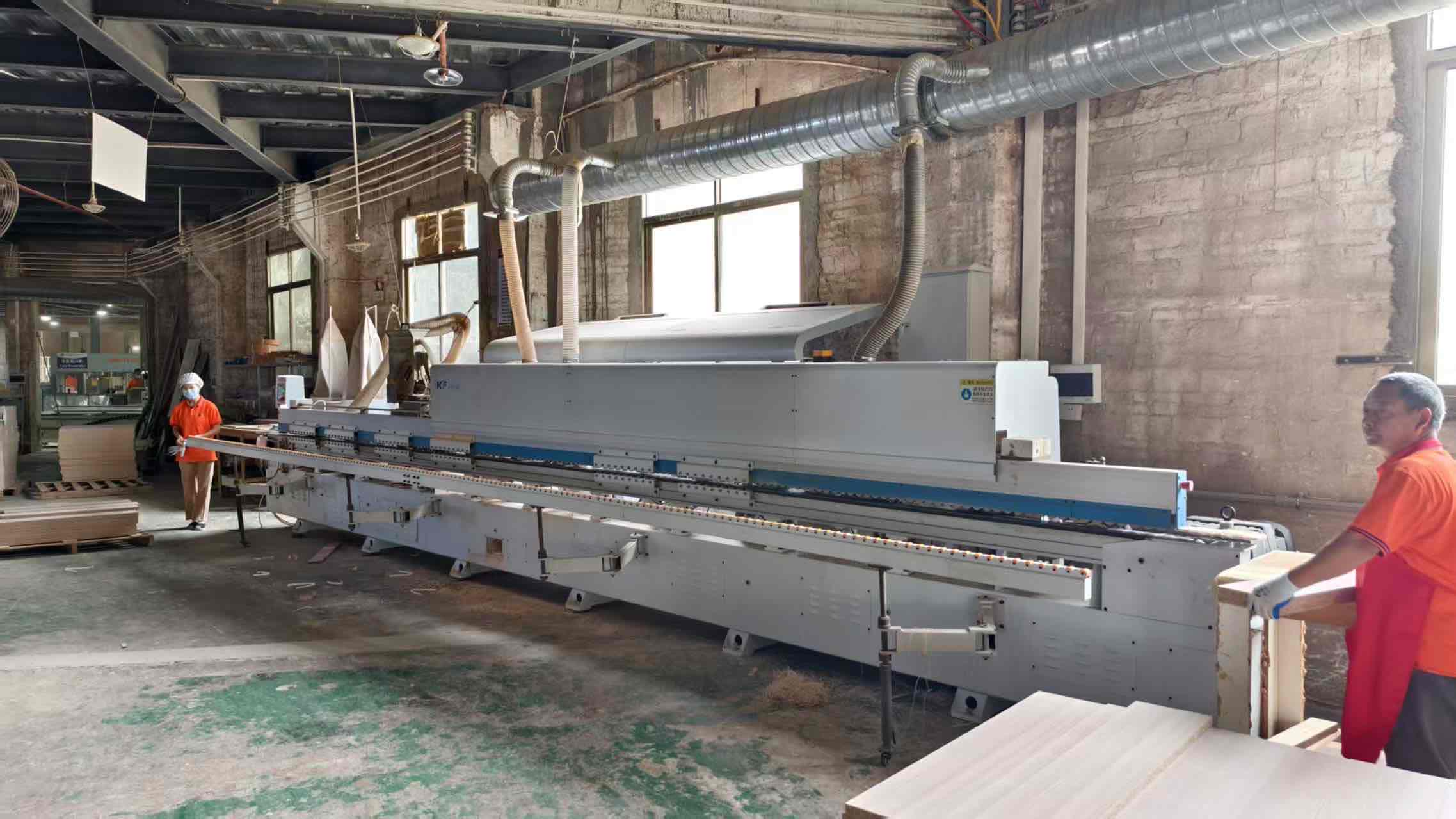
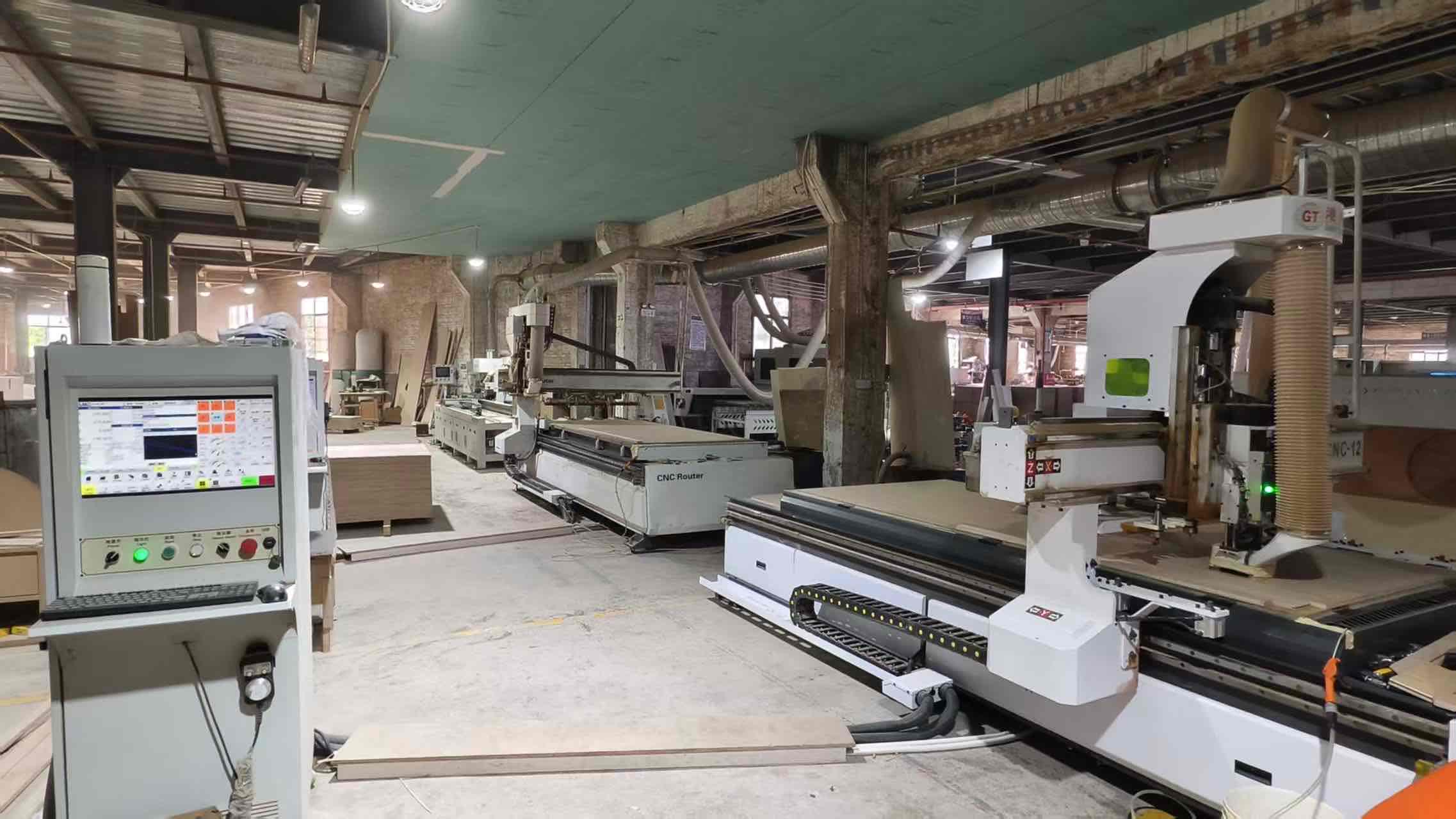
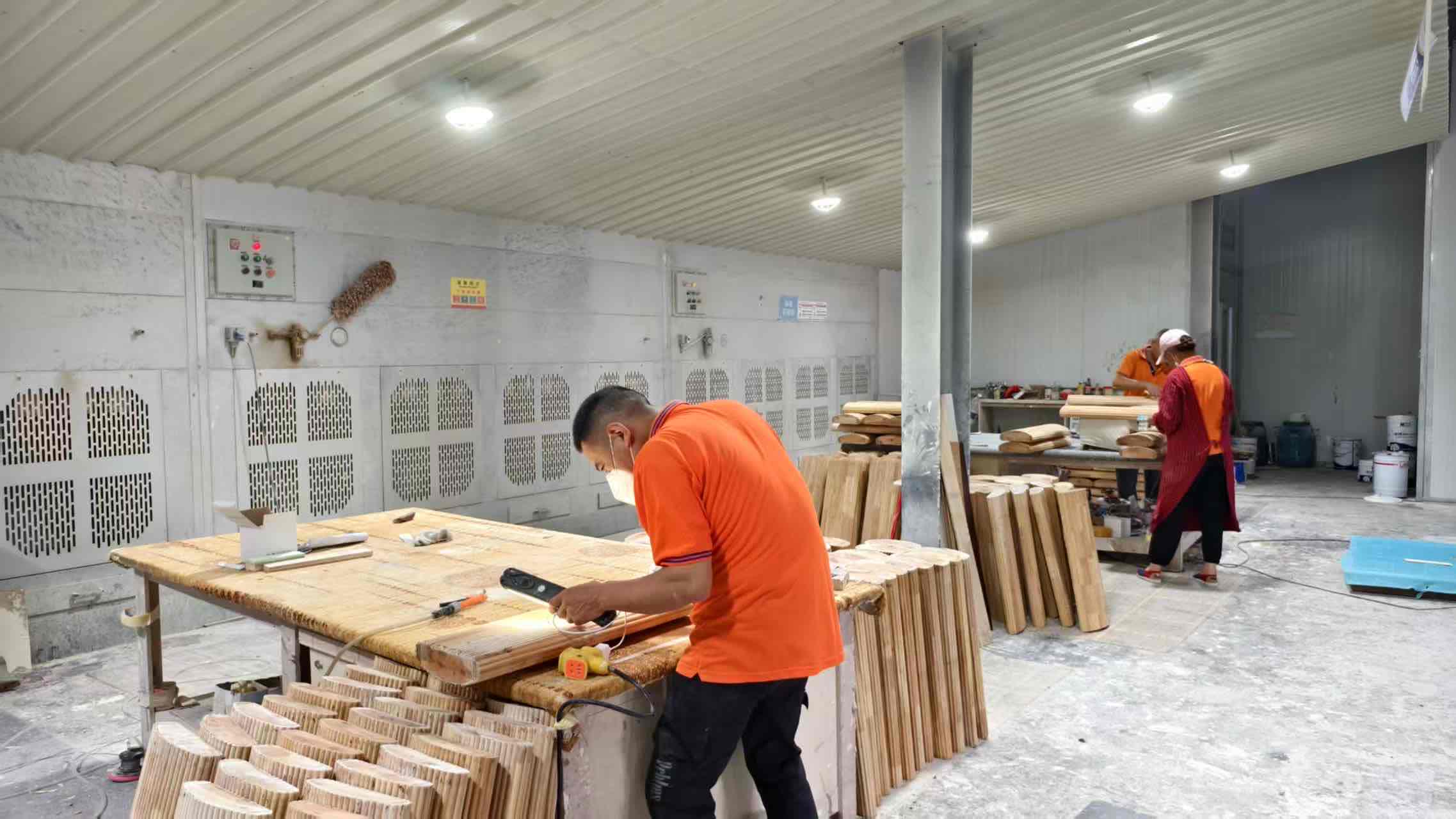
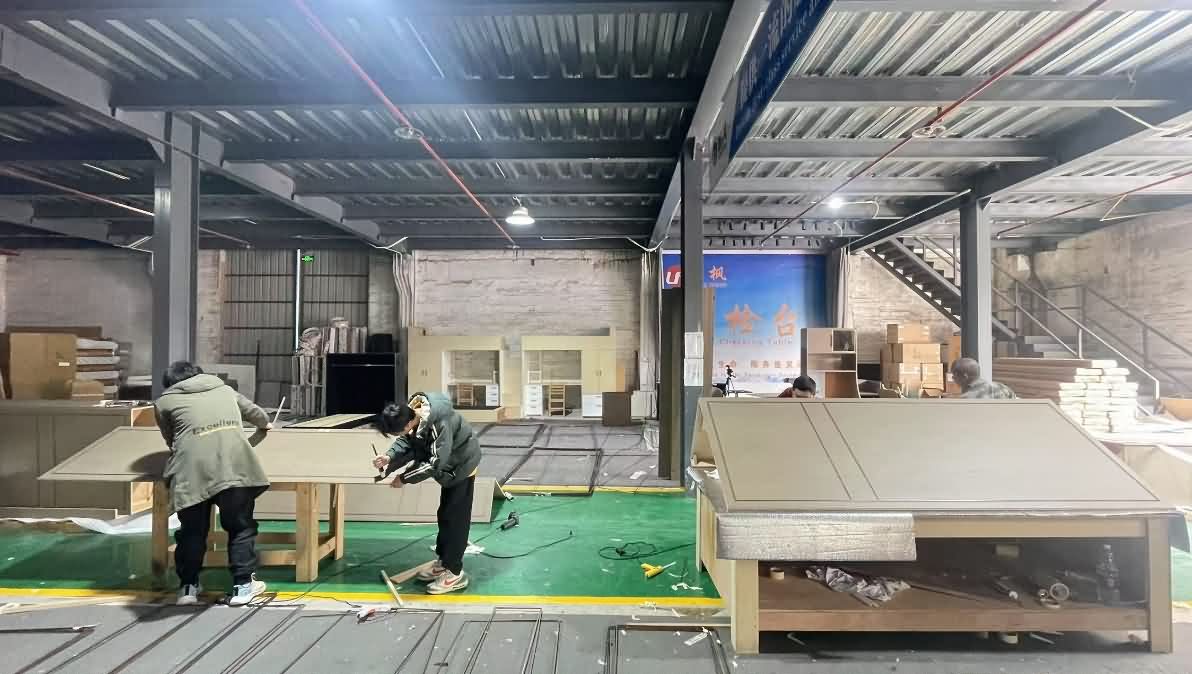
Foshan Daski Furniture Co., Ltd. Manufacturing Infrastructure & Quality Control
Foshan Daski Furniture Co., Ltd. combines advanced manufacturing technology, automated cell testing, and robust structural engineering to produce premium Wall-Mounted Lithium Battery systems. Our state-of-the-art facility features rigorous quality management protocols, automated laser welding lines, and comprehensive burn-in aging chambers designed to deliver defect-free energy storage hardware worldwide.







Why Partner with Foshan Daski Furniture Co., Ltd. for OEM/ODM Energy Solutions?
With decades of experience in high-end structural manufacturing, precision metal fabrication, and advanced assembly management, Foshan Daski Furniture Co., Ltd. provides global buyers with unmatched production reliability. We maintain strict compliance with ISO 9001 quality management standards throughout every phase of battery production.
- Tier-1 Cell Partnership: We utilize exclusively new, Grade-A prismatic LiFePO4 cells sourced directly from top-tier manufacturers with full capacity testing reports.
- Automated Fiber-Laser Busbar Welding: Eliminates human error and minimizes connection impedance for lower heat generation during high C-rate continuous discharge.
- 100% Full-Cycle Burn-In Testing: Every individual pack undergoes a complete charge-discharge test cycle under full rated load before final packaging.
- OEM/ODM Flexibility: Custom enclosure sizing, brand logo silk-screening, custom Smart BMS protocol development, and tailored packaging for private-label distributors.
Request Engineering Documentation & Wholesale Quotation
Connect directly with our technical sales engineers for OEM/ODM specifications, inverter compatibility matrices, and volume pricing schedules.
Email: [email protected]